2026: The Year the Billboard Hot 100 Shattered Expectations
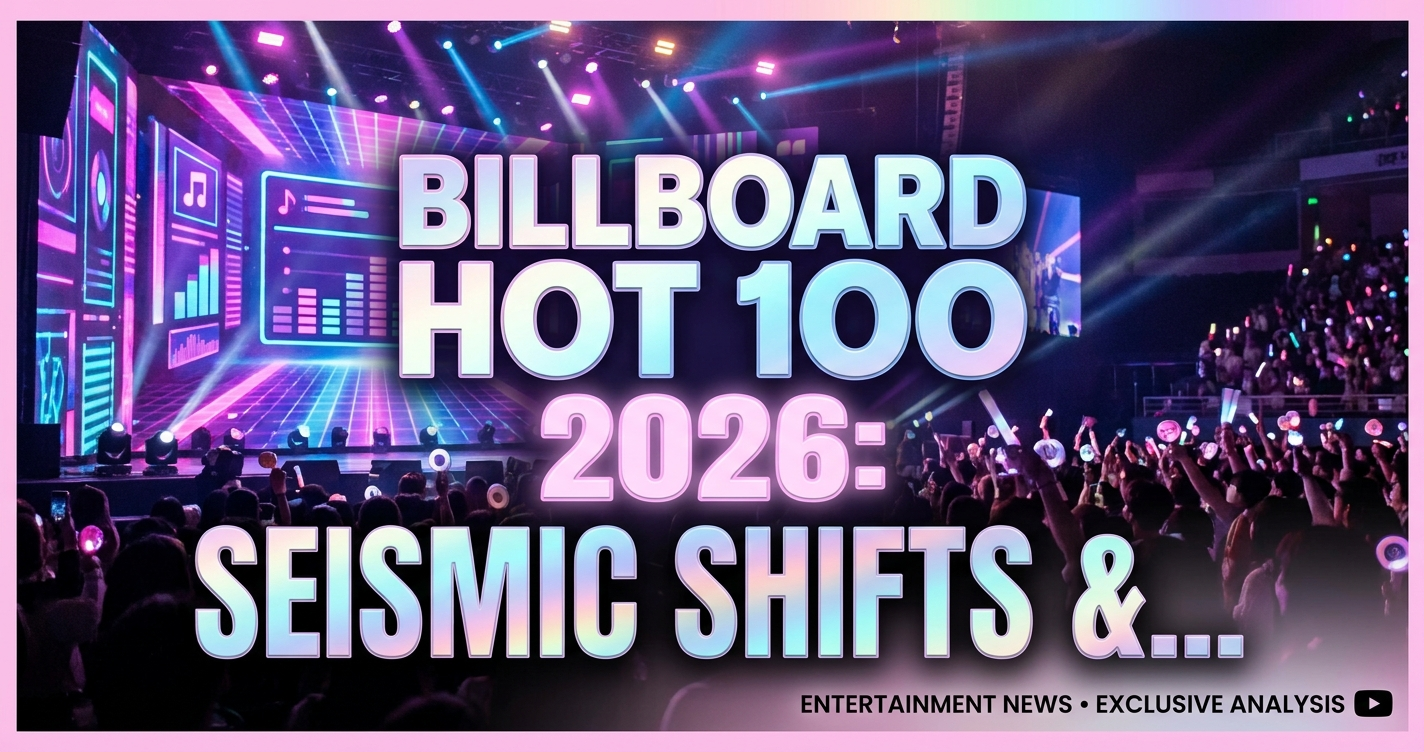
As the final notes of 2026 fade, leaving behind a sonic landscape more diverse and dynamic than ever, we at DailyDrama.com are taking a deep dive into the Billboard Hot 100. This wasn’t just another year of chart-topping hits; it was a testament to the ever-evolving nature of popular music, a period where established titans battled fiercely with innovative newcomers, and the lines between genres blurred into beautiful, new forms. The source material from Goldderby might list the #1s, but the real story is in the why and the how these tracks ascended.
Gone are the days of single-genre dominance. 2026 proved that versatility, authenticity, and a keen ear for the global pulse are the true keys to chart supremacy. From the introspective synth-pop of Celeste Bloom’s “Stardust Symphony”, which held a surprising five-week reign early in the year, to the raw, genre-defying energy of later entries, the Hot 100 became a vibrant mosaic of sounds and stories. It was a year where an artist’s ability to connect directly with a global audience, often through short-form video platforms, proved just as vital as traditional radio play.
The Titans and the New Guard: A Shifting Power Dynamic
While industry veterans like Dahlia Reed proved their enduring appeal with the soulful, poignant ballad “Neon Heartbeat”, marking her first number one in over a decade, 2026 was also a breakout year for fresh faces. Reed’s success, a testament to her reinvention and a collaboration with an unexpected indie producer, highlighted that quality and emotional resonance can still cut through the noise. An A&R executive, speaking to DailyDrama.com on background, noted that “Dahlia’s return wasn’t about chasing trends, but about refining her truth. That’s what resonated.”
On the flip side, the meteoric rise of artists like Jax Riven, whose high-octane track “Velocity” became a summer anthem, showcased the power of the digital underground. Riven, a relative unknown at the start of the year, leveraged viral challenges and a relentless independent hustle to propel his unique blend of trap-infused R&B to the top. His success wasn’t just a flash in the pan; it signaled a fundamental shift in how new talent can bypass traditional gatekeepers. Sources close to Riven’s team revealed that their strategy focused almost entirely on direct fan engagement and platform-specific content, a model that’s now being frantically emulated across the industry.
Global Beats and Digital Dominance: The World Stage is the Chart Stage
The Hot 100 in 2026 was undeniably a global affair. The infectious reggaeton-pop collaboration “Ritmo Secreto” by Latin sensation Luna Sol featuring rising star El Fuego, didn’t just top the charts; it dominated summer playlists from Miami to Madrid, and beyond. This wasn’t just a Latin-flavored song; it was a truly international phenomenon, proving that language barriers are increasingly irrelevant in the streaming age. Analysts at ChartMetric pointed out that “Ritmo Secreto” saw unprecedented growth in non-traditional markets before breaking into the US mainstream, a clear indicator of the globalized music ecosystem.
Furthermore, the surprise late-year success of The Chromatic Echoes’ “Ghost in the Machine”, an atmospheric electro-pop track that started as a critical darling on indie playlists, underscored the continued power of curated digital spaces. Its slow burn from niche appreciation to mainstream adoration demonstrated that sometimes, the most profound impact comes from unexpected corners, fueled by discerning tastemakers and dedicated fan communities on platforms like ‘MelodySphere’ and ‘AudioNexus’. This wasn’t a viral explosion, but a steady, organic ascent that speaks volumes about the longevity potential of truly innovative music.
The Art of the Comeback: Reinvention is Key
Dahlia Reed’s triumphant return with “Neon Heartbeat” wasn’t an isolated incident. 2026 saw several artists who had previously found success, then navigated a period of quiet, re-emerge stronger than ever. This trend suggests a maturity in the industry; rather than discarding artists after a few cycles, there’s a growing appreciation for longevity and evolution. Artists who took time to refine their sound, collaborate with new talent, or simply live life and gain new perspectives, found receptive audiences eager for their next chapter. It’s a stark contrast to the rapid churn of the early 2010s, indicating a more artist-friendly ecosystem in 2026.
The success stories of 2026 often shared a common thread: a willingness to experiment without losing their core identity. Whether it was Celeste Bloom pushing the boundaries of her pop sound or Dahlia Reed embracing a more stripped-down, emotional delivery, these artists understood that staying still in a dynamic industry is the quickest path to obsolescence. The chart wasn’t just about who was loud, but who was smart, adaptable, and genuinely connected to their art.
What to Watch For Next: The Chart’s Crystal Ball for 2027
Looking ahead, the trends of 2026 only promise to intensify. Expect even more genre fluidity, with artists confidently blending elements that would have been unthinkable a decade ago. The global stage will continue to be a primary battleground for chart supremacy, meaning A&R teams will need to cast an even wider net. The power of independent artists, fueled by direct fan engagement and savvy digital marketing, is unlikely to wane. The Hot 100 of 2027 will undoubtedly reflect an even more interconnected, diverse, and unpredictable musical world. DailyDrama.com will be here, tracking every beat.