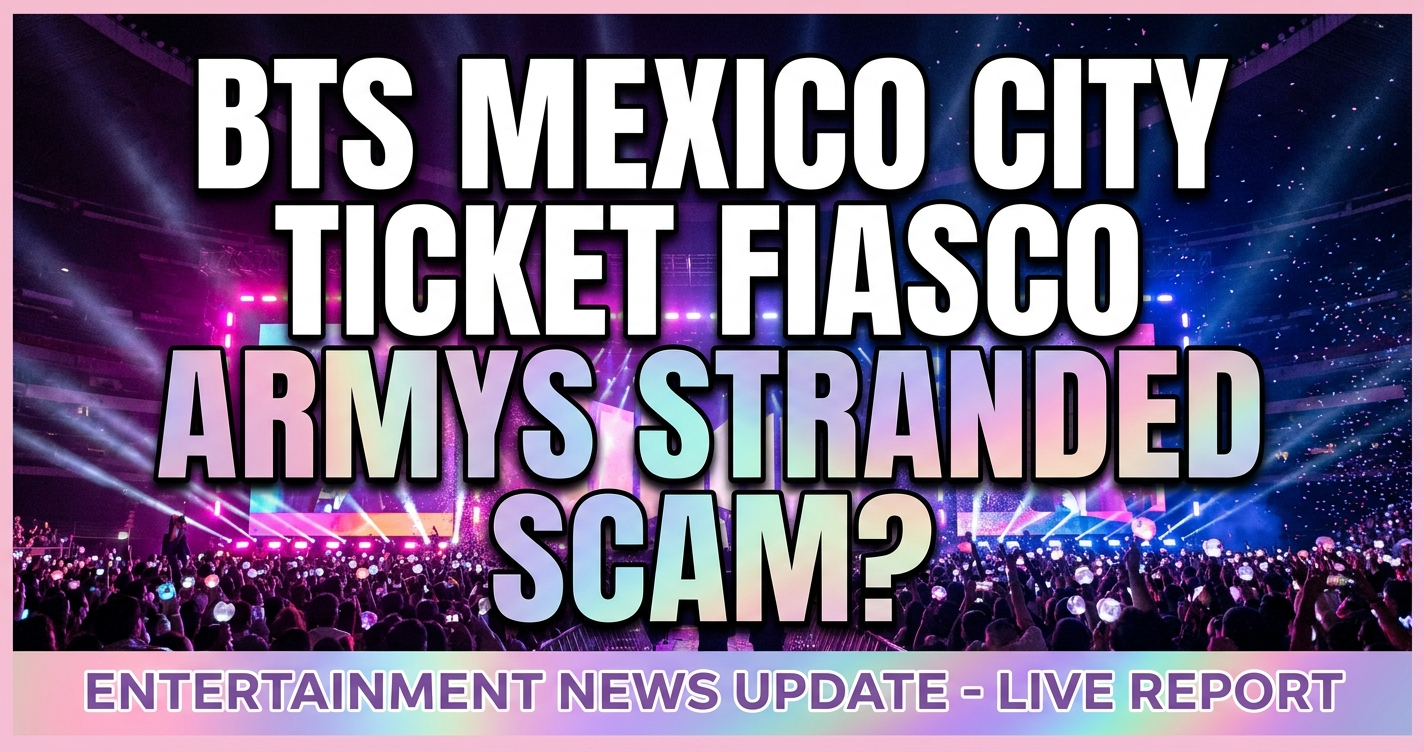
The Unbearable Heartbreak: BTS ARMYs Stranded in Mexico City
The air outside Mexico City’s Estadio GNP Seguros was supposed to be electric, charged with the collective anticipation of thousands of BTS ARMYs. May 7, 2026, marked the highly anticipated start of the K-Pop titans’ three-night residency as part of their global ‘ARIRANG’ tour. For many, this wasn’t just a concert; it was a pilgrimage, a once-in-a-lifetime chance to witness RM, Jin, Suga, J-Hope, Jimin, V, and Jungkook live. Instead, the euphoria curdled into a devastating nightmare as countless fans found themselves stranded outside the venue, their legitimate-looking tickets rejected, while images of inexplicably empty seats circulated virally inside.
This wasn’t merely a logistical glitch; it was a brutal demonstration of the entrenched and seemingly insurmountable problem of ticket reselling and fraud that continues to plague the live entertainment industry. For the devoted ARMY, who often invest significant time and money into their fandom, the experience was nothing short of a betrayal, leaving a bitter taste in what should have been a celebratory moment.
The Anatomy of a Concert Catastrophe: How Scalpers Exploit Devotion
The scenes from Mexico City are depressingly familiar, a replay of a broken record that echoes across continents and genres. The demand for BTS tickets, especially for a leg of their ‘ARIRANG’ tour, is astronomical. This global phenomenon, which has shattered records and cultural barriers, creates a perfect storm for opportunistic scalpers and fraudulent resellers. These bad actors deploy sophisticated bots to snatch up tickets the moment they go on sale, often bypassing human fans entirely. They then flood secondary markets, sometimes legitimate, often illicit, with these tickets, frequently at exorbitant markups.
What fans faced in Mexico City, however, appears to be a more insidious form of fraud: allegedly purchasing tickets that either never existed, were duplicates of valid tickets, or were revoked by the original vendor after being resold multiple times. Social media platforms quickly became a deluge of heartbreaking stories – fans who had traveled hundreds, even thousands, of miles, saved for months, only to be turned away at the gates. Many reported feeling ‘utterly betrayed’ and ‘robbed’ of a once-in-a-lifetime experience. The stark contrast between the tearful faces outside and the noticeable empty sections within Estadio GNP Seguros was, as one fan succinctly put it, ‘a slap in the face to everyone who truly wanted to be there.’
A Familiar Refrain: Industry’s Lingering Problem
This isn’t an isolated incident, nor is it exclusive to K-Pop. The ticketing industry has been grappling with this hydra-headed monster for decades. Remember the uproar surrounding Taylor Swift’s Eras Tour pre-sales, where ‘unprecedented demand’ and bot attacks crippled ticketing systems and left millions of fans empty-handed? Or the countless rock and pop legends from U2 to Adele, whose tours have been marred by similar issues?
Despite various attempts by major ticketing platforms and artists to combat scalping – from fan verification programs and lottery systems to dynamic pricing and non-transferable tickets – the problem persists. Each solution seems to spark a new workaround from the fraudsters. While some secondary markets claim to offer buyer protection, the sheer volume and complexity of high-demand events like a BTS concert make it fertile ground for scams that are difficult to trace and even harder to rectify. The global nature of BTS’s fandom further complicates matters, as fans from different countries navigate varying consumer protection laws and ticketing regulations.
The Human Cost: Betrayal of the ARMY
For the BTS ARMY, the connection to their idols is profoundly personal. It’s a relationship built on shared experiences, mutual respect, and often, significant emotional and financial investment. To be denied entry, particularly under such fraudulent circumstances, cuts deeper than just missing a show. It’s a violation of trust, a desecration of a sacred fan-artist bond.
The impact extends beyond the immediate heartbreak. Such incidents erode faith in the ticketing system, discourage future concert attendance, and, perhaps most damagingly, can inadvertently tarnish the artist’s reputation, even when they are victims themselves. While BTS and their management agencies are almost certainly as frustrated as the fans, the optics of empty seats and stranded supporters inevitably create a negative association, however unfair.
What Now? Navigating the Ticketing Minefield
The Mexico City fiasco serves as another urgent call for systemic change. While individual fans can take precautions like buying only from official vendors and being wary of suspiciously low prices, the onus ultimately falls on the industry and regulators. Could blockchain ticketing, which creates an immutable record of ownership, be a viable long-term solution? Should governments enforce stricter anti-bot legislation and impose harsher penalties for ticket fraud?
Artists themselves, who are often caught in the crossfire, might need to explore more direct-to-fan sales models, even if they are more logistically challenging. The conversation must move beyond simply ‘managing’ scalping to actively ‘eradicating’ the fraudulent elements that prey on genuine fan passion.
What to watch for next: We expect official statements from the concert promoters and perhaps even BTS’s agency, HYBE, regarding the incidents. Investigations by local consumer protection agencies in Mexico are also likely. The long-term impact on fan trust and potential shifts in ticketing strategies for future legs of the ‘ARIRANG’ tour will be critical indicators of whether the industry is finally ready to confront this persistent problem head-on.