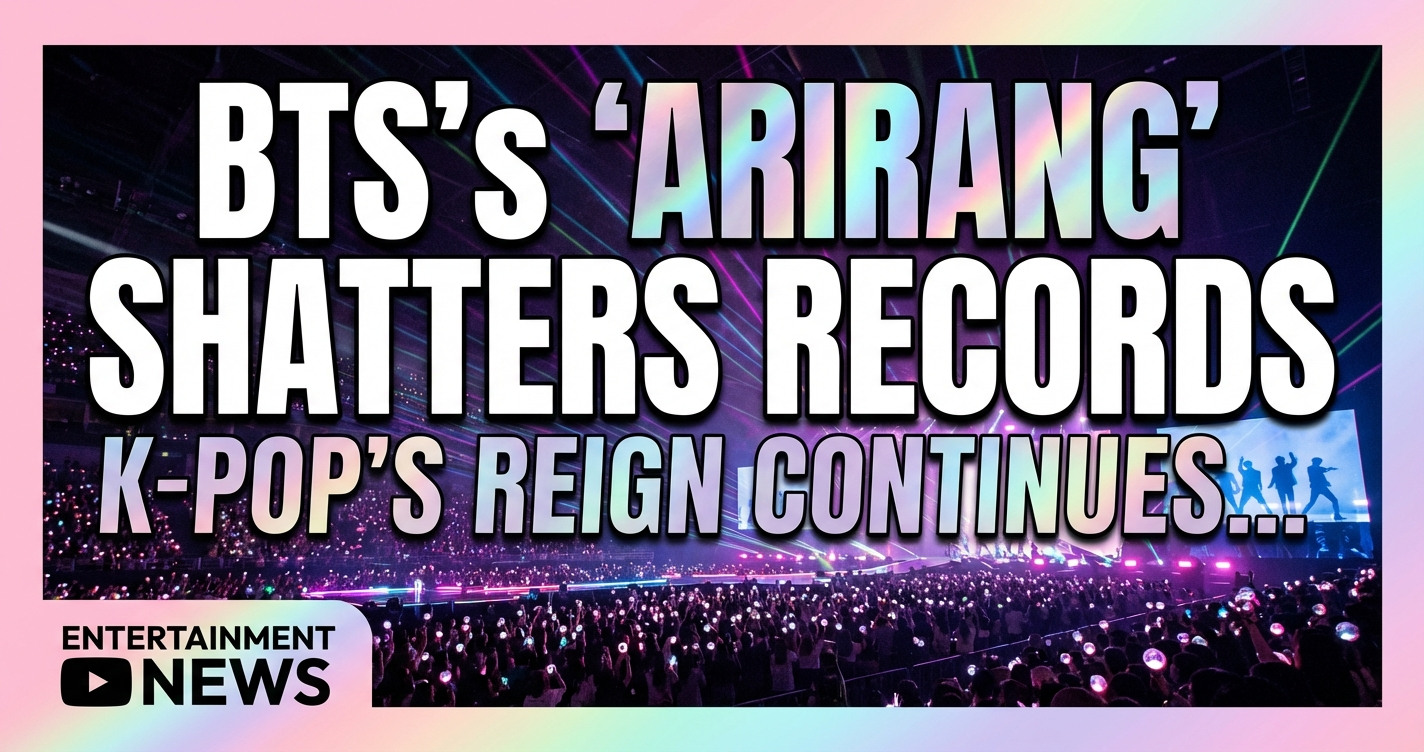
BTS’s ‘Arirang’ Shatters Records: K-Pop’s Reign Continues Unabated
In a move that surprised absolutely no one but still managed to send seismic waves through the global music industry, K-pop titans BTS have once again rewritten the record books. Their highly anticipated new album, “Arirang,” has reportedly sold an astonishing 4.17 million copies in its debut week, according to data from music sales tracker Hanteo Chart. This isn’t just a big number; it’s a declaration. It smashes their own previous first-week sales record of 3.37 million, proving that even after years at the top, and a period of individual pursuits, the collective power of BTS remains unmatched.
For DailyDrama.com, this isn’t just another sales report. It’s a critical barometer for the health of the physical album market, the unwavering loyalty of the ARMY fandom, and K-pop’s continued, seemingly unstoppable march toward global cultural hegemony. Industry insiders we’ve spoken with are buzzing, not just about the raw numbers, but about what they signify for the future of music consumption and artist-fan engagement.
Beyond the Numbers: A Fandom’s Unwavering Power
Let’s be clear: 4.17 million physical albums in a single week in 2024 is an almost unfathomable feat. In an era dominated by streaming, where a single download or stream counts towards chart positions, BTS and their dedicated ARMY prove that the physical album still holds immense value. This isn’t just casual listening; it’s an investment, a tangible connection for millions of fans worldwide. The K-pop album sales model – with its multiple versions, collectible photocards, and intricate packaging – is often cited by Western analysts as an anomaly, yet it consistently delivers unprecedented figures.
One prominent music industry analyst, who preferred not to be named, highlighted the unique dynamic. “What BTS has cultivated with ARMY is beyond traditional fandom. It’s a global community, highly organized, and incredibly passionate. They’re not just buying an album; they’re participating in a cultural phenomenon, a collective show of strength. Every sale is a vote of confidence, a testament to their bond with the group.” This sentiment echoes across the industry, with many acknowledging that no other act, East or West, commands such a potent, unified purchasing power.
“Arirang”: A Cultural Statement or Commercial Masterstroke?
The album’s title itself, “Arirang,” is noteworthy. “Arirang” is a beloved Korean folk song, often considered an unofficial national anthem, deeply embedded in the country’s cultural psyche. It’s a poignant melody, evoking themes of separation, longing, and resilience. For BTS to choose such a title for a major comeback album speaks volumes. Is it a deliberate nod to their roots, a re-grounding in their heritage after years of global superstardom and individual explorations? Or is it a savvy strategic move, leveraging a universally recognized cultural touchstone to amplify their message and reinforce their unique identity?
Sources close to Hybe, BTS’s agency, suggest the album is a deeply personal project, reflecting on their journey, their identity as Koreans on a global stage, and their enduring connection to their homeland. The themes explored within the tracks are said to weave modern interpretations with traditional Korean aesthetics, a hallmark of BTS’s artistic evolution since their early days with albums like “The Most Beautiful Moment in Life” series. This blend of global appeal and authentic cultural expression is precisely what has resonated so deeply with fans across diverse backgrounds.
K-Pop’s Dominance & The Physical Album Revival
BTS’s success isn’t an isolated incident; it’s a leading indicator of K-pop’s broader dominance in the physical album market. While Western artists struggle to move significant physical units, K-pop groups regularly top global sales charts. Acts like Stray Kids, SEVENTEEN, and TXT consistently debut with millions of sales, showcasing a robust ecosystem that values tangible products. This trend challenges conventional wisdom about the music industry’s future, suggesting that for certain genres and fanbases, the physical product is far from obsolete.
Label executives are undoubtedly thrilled. The revenue generated from these massive physical sales provides a stable foundation, allowing for more ambitious projects, tours, and content creation. It’s a virtuous cycle: dedicated fans buy albums, which funds more content, which in turn deepens fan loyalty. This model has allowed K-pop companies to invest heavily in training, production, and global marketing, propelling their artists to unprecedented international fame, often eclipsing legacy Western acts in terms of sheer fan engagement and direct revenue.
What This Means for BTS’s Future and the Industry
The record-breaking success of “Arirang” solidifies BTS’s position not just as the biggest K-pop group, but as one of the biggest musical acts in history. It demonstrates their enduring collective power even as members pursue successful solo careers and fulfill national duties. This album could signal a new chapter, a powerful return to group activities that will undoubtedly ignite global tours and further content. It also serves as a potent reminder to the industry that authentic connection and dedicated fan engagement are still the ultimate drivers of success, regardless of technological shifts.
What to watch for next? Keep an eye on the upcoming global chart positions beyond just first-week sales. The longevity of “Arirang” on various charts will be a true test of its staying power. Furthermore, with speculation always swirling around their next collective moves, this album’s performance provides a strong incentive for more group projects. BTS has once again set a new benchmark, and the world is watching to see how they’ll push the boundaries next.