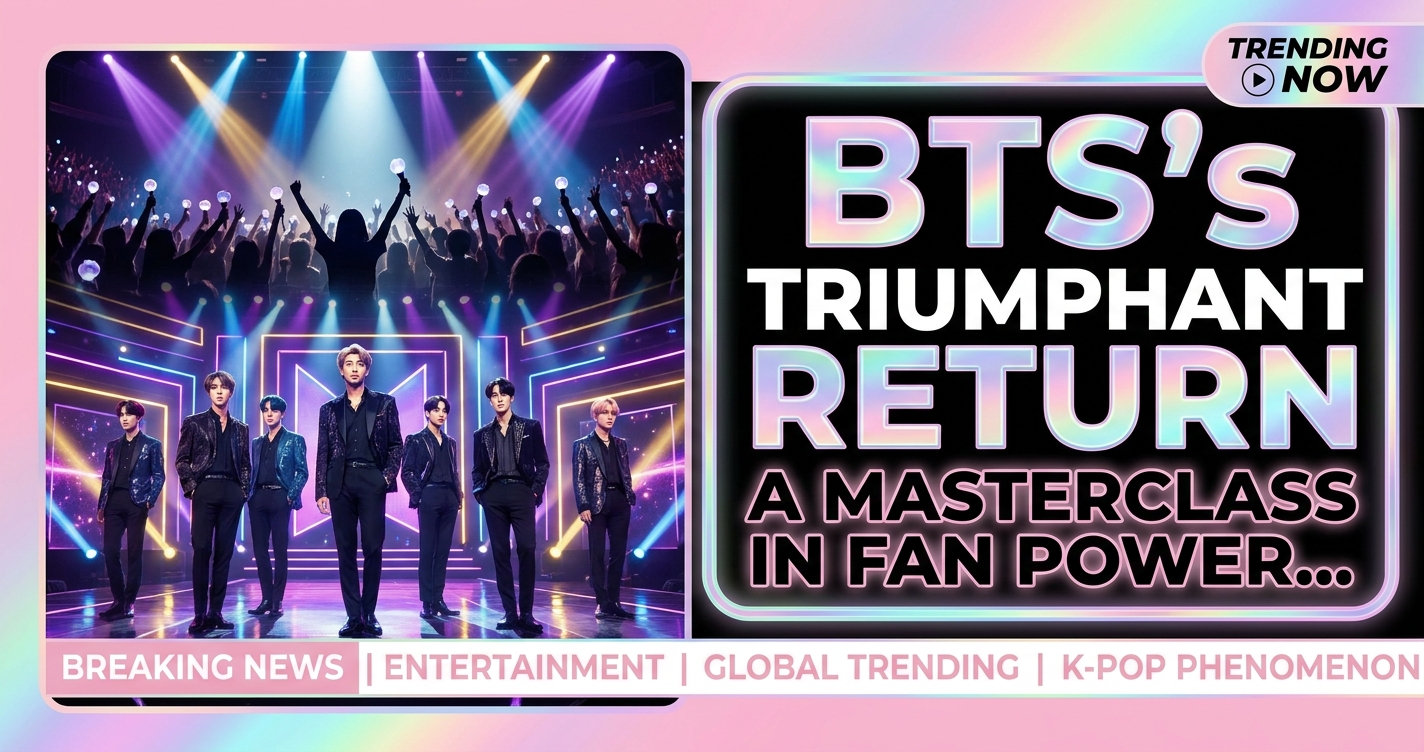
The drumbeat has begun. The individual members of BTS – Jin, J-Hope, SUGA, RM, Jimin, V, and Jungkook – are steadily returning from their mandatory military service, culminating in what promises to be one of the most anticipated full-group comebacks in modern music history. This isn’t just about a band getting back together; it’s a cultural earthquake, a multi-billion dollar ecosystem re-energizing, and a masterclass in how to manage global superstardom and an unparalleled fanbase.
For the uninitiated, BTS is more than just a K-Pop group; they are a global phenomenon. Their hiatus for military service, a mandatory rite of passage in South Korea, was a significant test for their momentum and their devoted fandom, known as ARMY. Many industry watchers wondered if the break would cool their fiery global presence. Instead, ARMY not only maintained the heat but amplified it, proving that the bond between BTS and their fans runs far deeper than mere celebrity worship.
The Business of Devotion: BTS’s Unrivaled Fandom Machine
The comeback isn’t just a musical event; it’s a massive economic engine revving up. Throughout their individual solo releases and even during their hiatus, the members consistently topped charts, broke streaming records, and sold out stadium tours. This continued success, despite the staggered nature of their returns, speaks volumes about the strategic brilliance of HYBE (formerly Big Hit Entertainment) and the unwavering dedication of ARMY.
A source close to HYBE, speaking off the record about the company’s long-term strategy, described the military hiatus period as "an unprecedented stress test for a global phenomenon. It proved that the foundation we built with BTS and ARMY is rock solid, capable of weathering any storm." The sheer scale of fan activity – from meticulously organized social media campaigns to real-world gatherings and charitable initiatives – demonstrates a level of fan organization and influence unmatched in modern music. This isn’t just loyalty; it’s an active, engaged consumer base that influences everything from streaming charts and brand endorsements to cultural conversations.
Beyond the Hype: The Deep Resonance of Artist-Fan Bonds
The impact of BTS’s return extends beyond economics. The profound emotional connection fans feel with the group is a fascinating subject, one that even a recent article in Psychology Today New Zealand highlighted regarding the potential boost to fans’ mental health. For many in ARMY, BTS isn’t just entertainment; it’s a source of comfort, community, inspiration, and a powerful message of self-love and perseverance.
This deep emotional connection isn’t a happy accident; it’s a deliberate and reciprocated bond that the entertainment industry is increasingly acknowledging and trying to understand. An entertainment marketing executive, who preferred not to be named discussing specifics of rival agencies, noted that "understanding the psychological needs of your fanbase is no longer a niche concern; it’s central to long-term artist development. K-Pop, and BTS in particular, has perfected the art of cultivating and reciprocating this devotion." While Western artists like Taylor Swift with her "Swifties" or Beyoncé with the "Beyhive" also command immense fan loyalty, K-Pop’s systematic approach to fan engagement, often through bespoke platforms like Weverse, sets a gold standard.
The Blueprint for Modern Stardom: HYBE’s Global Vision
HYBE didn’t just create a band; they built a revolutionary model for global entertainment. They understood early that global appeal required more than just good music and flashy performances. It needed authenticity, multi-platform engagement (Weverse, social media, documentaries, games), and a direct, consistent line to fans. This comprehensive strategy allows them to not only sell albums and concert tickets but also merchandise, educational content, and even virtual experiences.
This approach shattered the glass ceiling for K-Pop in the West. While agencies like SM Entertainment and JYP Entertainment had long pursued global expansion, HYBE’s strategy with BTS broke down cultural and linguistic barriers in a way no one had before. It wasn’t about simply exporting K-Pop; it was about creating a new global pop language, one built on genuine connection and shared values.
The Ripple Effect: K-Pop’s Enduring Influence and What’s Next
The undeniable success of BTS has paved the way for a new generation of K-Pop groups to gain significant traction outside South Korea. Acts like Stray Kids, TXT, aespa, and NewJeans are now enjoying unprecedented global attention, benefiting from the groundwork laid by BTS. The industry now sees K-Pop not as a passing trend, but as a legitimate, powerful, and sustainable force in the global music landscape.
However, the challenge remains: can other groups replicate BTS’s unique blend of talent, personality, and fan engagement? Or is BTS an anomaly, a perfect storm of timing, artistry, and strategic execution? Industry analysts suggest that while no group may ever fully replicate the "BTS phenomenon," the lessons learned are invaluable. "The days of simply putting out a song and hoping for the best are over," remarked a seasoned music industry veteran. "You need a narrative, a community, and a purpose. BTS wrote the playbook, and everyone else is taking notes." The future will likely see continued emphasis on digital interaction, personalized fan experiences, and leveraging evolving technologies for deeper engagement – though artists will need to tread carefully to maintain the authenticity that makes these bonds so powerful.
BTS’s comeback is far more than a triumphant return; it’s a reaffirmation of their status as cultural titans and a masterclass in modern entertainment strategy. It underscores the immense, often underestimated, power of a dedicated fanbase and the symbiotic relationship that can exist between artists and their supporters. As the members fully reunite and embark on their next chapter, the entertainment world will be watching to see how they continue to redefine global stardom and the very essence of fan engagement. What new benchmarks will they set? How will they evolve the fan experience? One thing is certain: the ARMY will be there, ready for whatever comes next, proving that true devotion is the most powerful currency in pop culture.