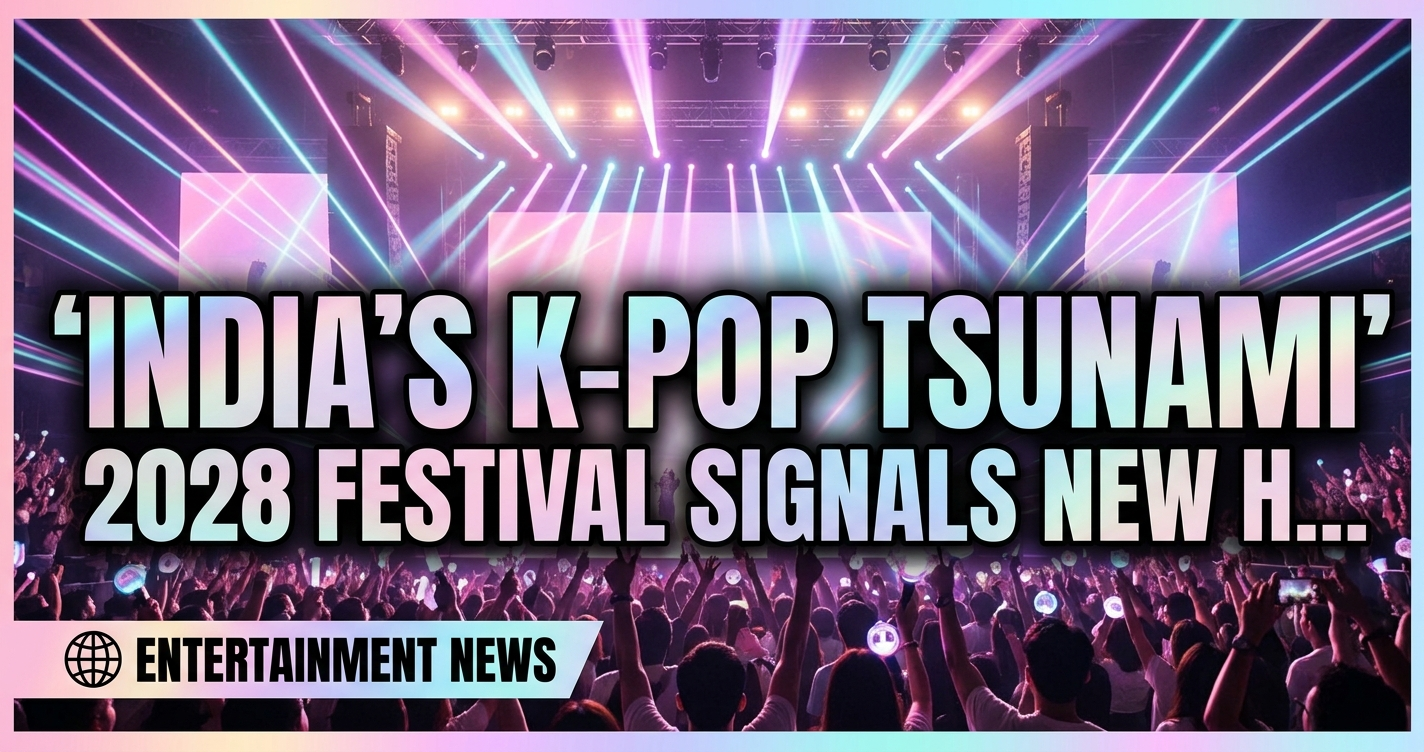
The stage is set, albeit five years out. Prime Minister Narendra Modi’s recent revelation of an India-Korea Friendship Festival in 2028, with a colossal K-Pop component, isn’t just another cultural exchange. For those of us tracking the global entertainment landscape, it’s a seismic declaration: India is officially the next major frontier for the Hallyu wave. This isn’t merely about bringing a few idol groups to perform; it’s a strategic, government-backed move that validates years of organic fan growth and opens the floodgates for South Korea’s entertainment giants, who’ve been eyeing the subcontinent with increasing fervor.
The India Opportunity: Why Now, Why Here?
For years, industry executives have whispered about India’s immense, untapped potential. With a burgeoning youth demographic, rapidly expanding internet penetration, and a cultural affinity for vibrant music and dance, the conditions are ripe. Fan communities for groups like BTS, BLACKPINK, EXO, and Stray Kids have exploded across India, largely driven by digital platforms and social media. These aren’t just casual listeners; they’re dedicated stans, hungry for live experiences and official merchandise. The sheer scale of the Indian market—over 1.4 billion people—presents an opportunity unlike any other.
Sources close to major Korean agencies confirm that scouting missions and market research have been underway for quite some time, trying to understand the nuances of this complex yet rewarding territory. The 2028 festival provides a definitive target, a clear signal that the time for tentative exploration is over; it’s time for full-scale strategic entry.
Major Players Eyeing the Market: HYBE, JYP, and Beyond
The mention of powerhouses like HYBE and JYP Entertainment actively ‘eyeing India’ isn’t just speculation; it’s the confirmation of what many of us have known. HYBE, the conglomerate behind global sensations BTS, has already demonstrated its ambitious global expansion, from acquiring Ithaca Holdings to launching HYBE America. Their playbook involves not just exporting existing acts but also cultivating local talent and establishing regional hubs. Imagine a ‘HYBE India’ or a localized K-Pop group tailored for the Indian audience.
JYP Entertainment, with its proven track record of successful localized groups like NiziU in Japan and global reach of acts like Stray Kids, is another agency perfectly positioned to capitalize. Insiders suggest that discussions aren’t just about concert tours; they’re about long-term investment in infrastructure, artist development, and even content production. The 2028 festival serves as a critical milestone, allowing these companies ample time to lay robust groundwork, identify local partners, and strategize their market penetration with precision.
Cultural Diplomacy and Soft Power: Beyond the Music
Beyond the economic opportunities, this festival is a masterclass in cultural diplomacy. South Korea has long understood the power of the Hallyu wave as a soft power tool, enhancing its global image and fostering bilateral relations. When a head of state like PM Modi actively champions such an initiative, it elevates K-Pop from mere entertainment to a significant aspect of international relations. The ‘Friendship Festival’ moniker itself underscores this intent.
It’s about building bridges, sharing cultures, and creating mutual understanding through the universal language of music. This government-to-government endorsement provides a secure and fertile ground for K-Pop’s expansion, mitigating some of the typical market entry risks faced by entertainment companies. It’s a win-win: India gains access to a globally phenomenon, and South Korea deepens its cultural footprint in a strategically vital nation.
The Road to 2028: What to Watch For Next
While 2028 might seem distant, for an event of this magnitude and strategic importance, it’s actually a tight timeline. Between now and then, expect a flurry of activity. We’ll likely see more official announcements regarding venues, specific dates, and crucially, the participating agencies and artists. The real intrigue lies in whether this festival will serve as a launchpad for localized K-Pop groups featuring Indian members, or if we’ll see significant collaborations between Korean and Indian artists.
Infrastructure development, ticketing strategies, and comprehensive marketing campaigns will all be critical. This isn’t just a concert; it’s an ecosystem being built from the ground up. The next few years will be fascinating to watch as the pieces of this monumental cultural exchange fall into place. Will India truly become the next global Hallyu powerhouse? All signs point to yes. DailyDrama.com will be watching every beat.