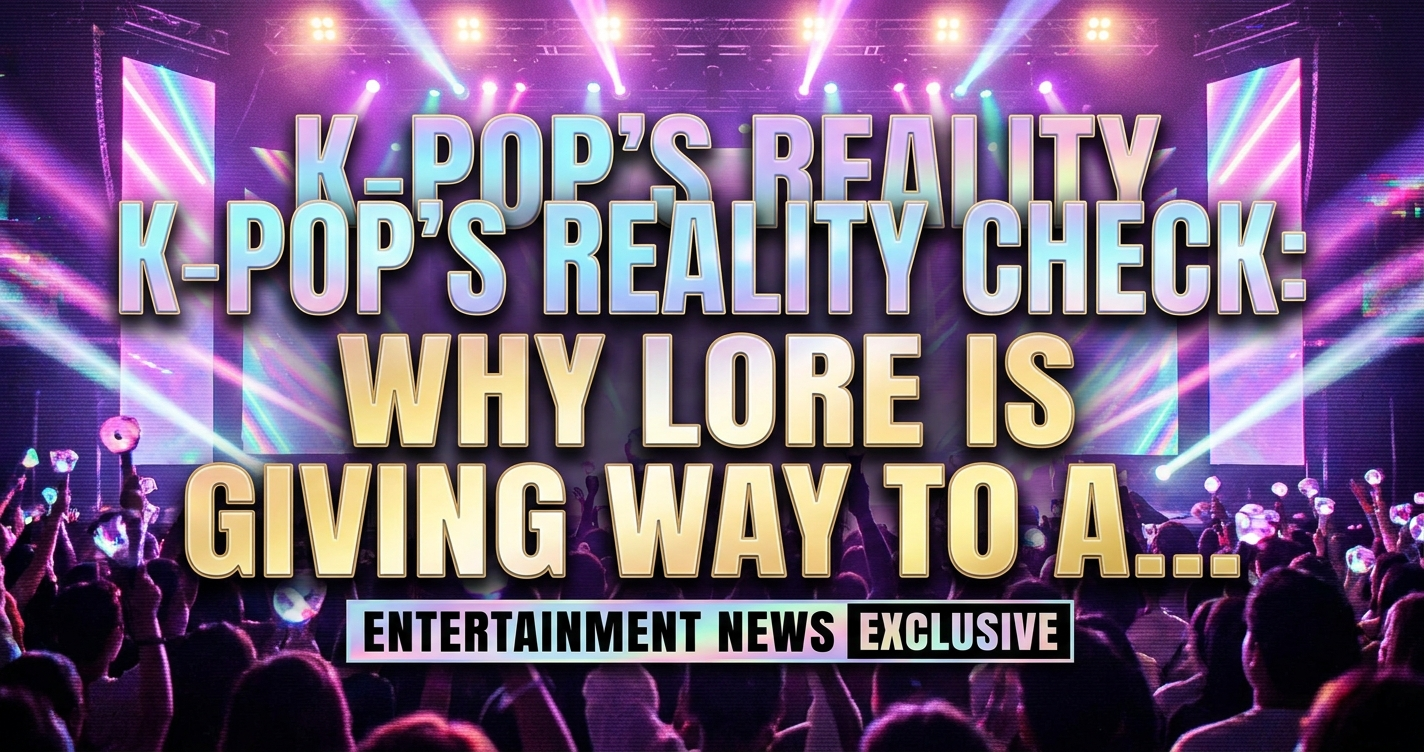
K-Pop’s Reality Check: Why Lore is Giving Way to Authenticity
The glittering, meticulously crafted world of K-pop is undergoing a seismic shift, one that’s redefining what it means to be an idol in the digital age. For years, elaborate lore and fantastical universes were the bedrock of many top groups, drawing fans into complex narratives that extended far beyond the music. Think superpowers, alternate dimensions, and intricate storylines that demanded a wiki to fully comprehend. But a new trend is emerging, one that prioritizes authenticity and real-life connection over high-concept fantasy. The industry is pivoting, shedding some of its mythical skin in favor of a more grounded, relatable persona, and it’s all thanks to the insatiable appetite of its most powerful demographic: young, highly engaged fans.
As a senior entertainment journalist who’s seen K-pop evolve through several generations, this isn’t just a minor tweak—it’s a fundamental reevaluation of the idol-fan dynamic. The days of simply presenting a polished, untouchable image are fading. Today’s fans want to see the human behind the idol, the growth, the struggles, and the genuine camaraderie that underpins their favorite groups. It’s a strategic move by labels, but also an organic response to a fan base that’s more connected and demanding than ever before.
From Cosmic Universes to Everyday Stories: The Lore Legacy
Rewind a decade, and K-pop was in its prime era of world-building. Groups like EXO captivated audiences with their alien superpower concept, complete with a detailed backstory for each member. BTS, with their HYYH (HwaYangYeonHwa, or ‘The Most Beautiful Moment in Life’) series, wove a sprawling narrative exploring youth, friendship, and mental health through interconnected music videos, short films, and even books. Then came groups like NCT, with its ambitious, ever-expanding ‘neo culture technology’ universe, promising infinite possibilities and units. These concepts weren’t just marketing ploys; they were deep dives into imaginative storytelling that gave fans a rich tapestry to explore, theorize, and obsess over.
“For a long time, the more complex the lore, the deeper the fan engagement seemed to be,” explains a veteran A&R executive we spoke with off the record. “It created a sense of mystery and exclusivity. You had to be ‘in the know’ to fully appreciate it, which really appealed to core fans.” This approach fostered incredibly dedicated fandoms, turning music consumption into an immersive, multi-platform experience. However, the very complexity that once drew fans in began to present challenges. Keeping up with intricate timelines and character arcs became a daunting task for casual listeners, and even for some long-time fans, the narrative threads sometimes became too tangled to follow.
The Rise of Relatability: Why Authenticity is the New Concept
The pendulum began to swing as digital platforms like Weverse, Bubble, and Instagram Live became integral to fan interaction. Fans, especially younger generations, started craving unfiltered moments. They wanted to see idols reacting naturally, sharing candid thoughts, and engaging directly, rather than solely through meticulously produced content. This demand for ‘realness’ has pushed labels to rethink their strategies.
“It’s less about fabricating an alternate universe and more about celebrating the group’s actual journey and personalities,” commented a cultural analyst specializing in Hallyu trends. “The ‘concept’ now is often the members’ growth, their everyday struggles, their honest friendships. It’s about letting fans feel like they’re part of that journey, not just observing a fictional one.” We’re seeing more ‘behind-the-scenes’ content that feels genuinely unscripted, more vlogs showcasing mundane daily life, and a greater willingness for idols to open up about their experiences, within reasonable boundaries.
Groups like NewJeans, for instance, have leaned heavily into a ‘natural’ aesthetic and a focus on youth culture that feels organic and relatable, rather than relying on an overarching fictional narrative. Even groups that once had strong lore elements are subtly shifting their focus. The emphasis is less on unraveling a mystery and more on showcasing the members’ individual charms and their collective chemistry, often through reality shows and direct communication with fans.
The Strategic Blurring: How Labels Are Adapting
This isn’t to say that K-pop is abandoning creativity or storytelling entirely. Instead, the storytelling is becoming more grounded. Concepts might now revolve around universal themes like self-love, pursuing dreams, or overcoming adversity, which resonate deeply because they tap into shared human experiences. The ‘lore’ becomes the *real* story of the group and its members, presented in an aspirational yet accessible way.
Labels are finding clever ways to blur the lines. They might still use visual metaphors or symbolic imagery in music videos, but the core narrative often stems from the idols’ lived experiences or aspirational messages that feel personal. This strategic blurring allows them to maintain an artistic edge while delivering the authenticity fans crave. It’s a delicate balance: providing enough mystique to remain aspirational, but enough reality to feel approachable.
What to Watch For Next
The K-pop industry will continue to evolve, perpetually adapting to its highly discerning and vocal audience. We can expect to see a hybrid approach dominate, where groups might incorporate subtle lore elements or visually rich concepts, but the emotional core will increasingly be tied to authenticity and genuine connection. The challenge for labels will be to keep finding fresh ways to tell these ‘real’ stories without falling into predictability or sacrificing the very polish that makes K-pop so globally appealing. The era of the relatable idol is here, and it’s shaping the next wave of Hallyu.