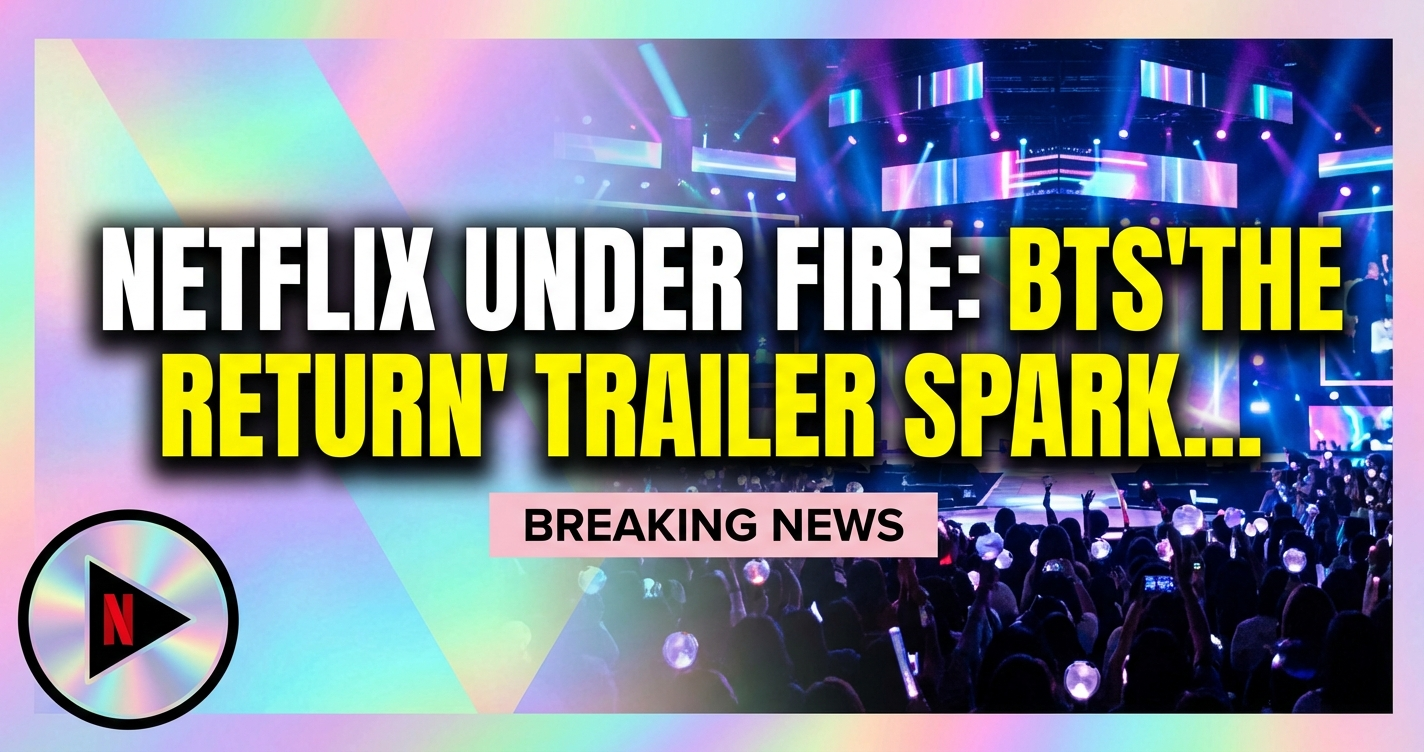
In the high-stakes world of global entertainment, where fandoms wield unprecedented power, a single frame – or the lack thereof – can ignite a wildfire. This past week, Netflix found itself squarely in the crosshairs of one of the most formidable fan armies on the planet: BTS’s ARMY. The release of the trailer for their highly anticipated documentary, BTS: THE RETURN, was meant to be a moment of triumph. Instead, it became a lightning rod for accusations of disrespect and alleged artistic omission, specifically concerning beloved member Jimin.
Sources close to DailyDrama.com indicate that the uproar began almost immediately after the trailer dropped across Netflix’s various official platforms on March 16. eagle-eyed fans, known for their meticulous attention to detail and unwavering devotion, quickly noticed what they perceived as a glaring absence: a seemingly disproportionate lack of screen time, or even complete omission, of Jimin in crucial moments. The hashtag #NetflixRespectJimin quickly trended worldwide, a testament to ARMY’s collective digital might and their demand for equitable representation of all seven members.
The Fandom Fury: More Than Just Screen Time
This isn’t merely about a few seconds of footage. For ARMY, the alleged snub strikes at the heart of their relationship with BTS and the integrity of the group. Each member of BTS – RM, Jin, Suga, J-Hope, Jimin, V, and Jungkook – is a global icon in their own right, and the group’s strength lies in their collective synergy and individual contributions. To diminish one member, particularly in a documentary purporting to tell the story of their ‘return,’ feels like a profound misunderstanding of the band’s ethos and its fan base.
One industry analyst, speaking off the record, suggested that such a perceived slight could have long-term repercussions. “In the K-Pop space, fan loyalty is paramount. Platforms like Netflix thrive on exclusive content, but they also depend on the goodwill of the audience. Alienating a significant portion of ARMY is a marketing misstep of monumental proportions, regardless of the creative intent behind the edit.”
Netflix’s Delicate Dance with K-Pop Content
Netflix has heavily invested in K-Pop content, from fictional dramas featuring idols to documentaries like BLACKPINK: Light Up the Sky. They understand the genre’s global appeal and the passionate engagement it generates. However, the BTS: THE RETURN controversy highlights a crucial challenge: balancing creative editorial control with the intense expectations of a highly organized and vocal fandom. Was this an oversight? A deliberate creative choice to build anticipation? Or a miscalculation of how deeply fans scrutinize every frame?
It’s worth remembering that BTS operates under the watchful eye of HYBE Corporation, a powerhouse that has meticulously built and protected the group’s brand. While Netflix holds the distribution rights for the documentary, the underlying narrative and the portrayal of the artists are incredibly sensitive. One has to wonder what level of creative oversight HYBE exercised, or if this alleged editorial decision was solely on Netflix’s side.
Echoes of Past Controversies: When Editing Backfires
This isn’t the first time an entertainment project has faced fan backlash over perceived slights or misrepresentation in promotional materials. Think of the intense fan campaigns for director’s cuts in Hollywood, or past instances where a band member felt sidelined in a documentary about their own group. The internet has amplified these voices, transforming once-passive consumers into active, demanding stakeholders.
In the K-Pop landscape specifically, where the bond between idols and fans is uniquely strong and often cultivated through consistent, transparent communication, any perceived slight can be magnified. BTS, in particular, has always emphasized their unity and mutual respect, making any suggestion of one member being less important an immediate red flag for their followers.
The Power of ARMY: A Force to Be Reckoned With
ARMY’s ability to mobilize globally and trend hashtags isn’t new; it’s a well-oiled machine built on years of collective action, from charity initiatives to record-breaking streaming efforts. They’ve influenced charts, shaped narratives, and even impacted social causes. For Netflix to seemingly underestimate this power in the rollout of a flagship BTS project is perplexing.
The incident serves as a stark reminder to content platforms and producers: when dealing with an artist of BTS’s stature and a fandom as dedicated as ARMY, every detail matters. The trailer is the first impression, and for many, it failed to deliver on the promise of an inclusive, respectful portrayal of a group whose entire identity is built on unity.
As the controversy continues to simmer, all eyes will be on Netflix. Will they address the concerns? Will subsequent trailers or promotional materials feature a more balanced representation? Or will they ride out the storm, hoping the quality of the full documentary will placate the fans? What is clear is that in the era of digital democracy, platforms ignore the voice of the fans at their own peril, especially when those fans are ARMY. We’ll be watching closely to see how this unfolds and what lessons the industry takes from this very public outcry.