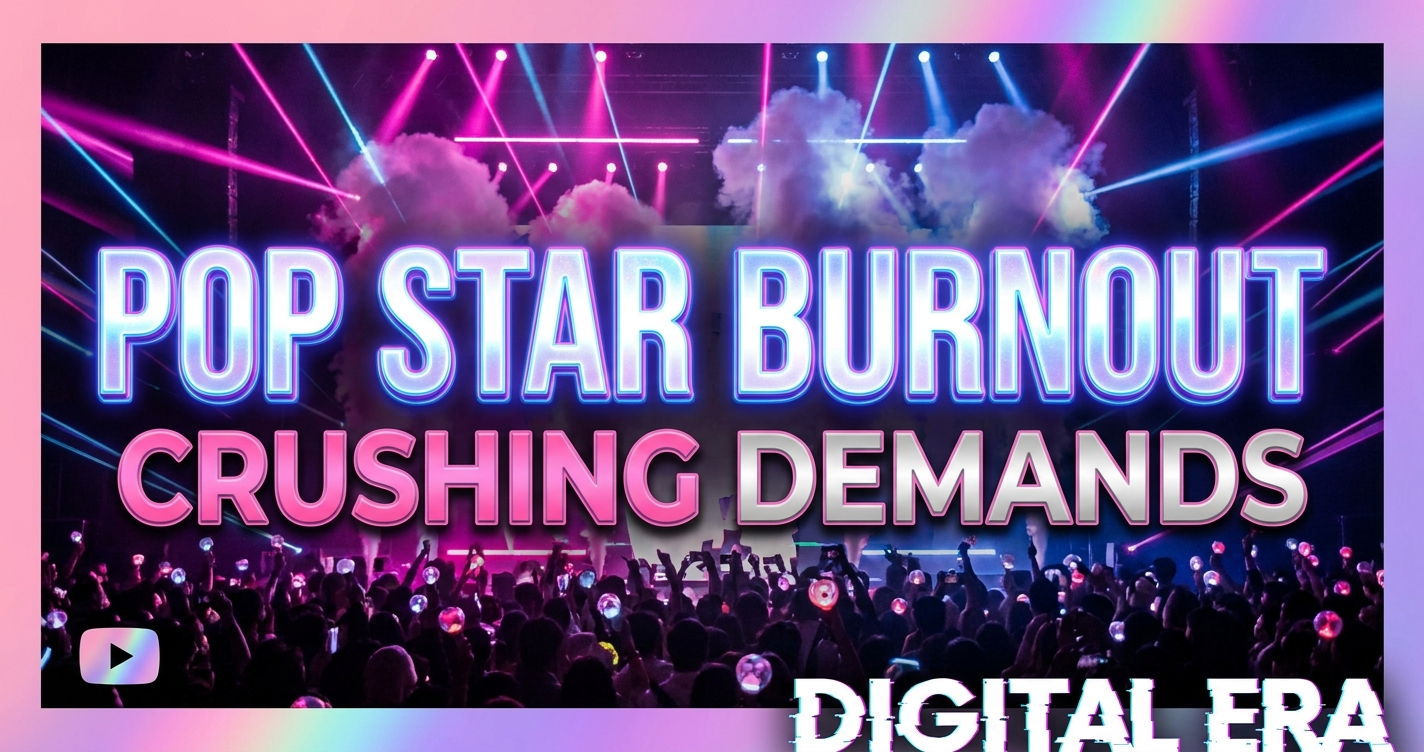
The Relentless Grind: Why Pop Stars Are Burning Out Faster Than Ever
It’s an open secret in the music industry, whispered in green rooms and boardroom meetings: young pop stars are collapsing under the weight of their own success. What once promised glittering stages and global adoration now often delivers a brutal, 24/7 performance cycle driven not just by music, but by the insatiable beast of the influencer economy. At DailyDrama.com, we’ve been watching this trend escalate, and it’s clear the landscape for emerging artists is more treacherous than ever.
Gone are the days when artists could retreat between album cycles, recharge, and meticulously craft their next sonic statement. Today’s pop sensation is expected to be a musician, a brand ambassador, a social media guru, a content creator, and a therapist for millions, all simultaneously. This isn’t just about singing; it’s about selling an entire lifestyle, an aspirational aesthetic that must be constantly updated, curated, and monetized across every conceivable platform.
Industry insiders tell DailyDrama.com that the pressure starts almost immediately. “It’s not enough to have a hit song anymore,” one veteran A&R executive lamented to us recently, requesting anonymity to speak freely. “Labels want a TikTok strategy, an Instagram grid that screams ‘authentic,’ a YouTube presence, and a direct line to fans on every platform. The music often becomes secondary to the ‘story’ and the ‘engagement.'” This constant need for new content, often personal in nature, blurs the lines between public figure and private individual, leaving little room for genuine self-preservation.
The Illusion of Intimacy: Authenticity as a Commodity
The paradox lies in the demand for ‘authenticity.’ Fans crave a connection, a glimpse behind the curtain, and artists are encouraged – or even contractually obligated – to provide it. But this isn’t the raw, unfiltered authenticity that comes from genuine human interaction. Instead, it’s a highly refined, endlessly strategized version, crafted to appear spontaneous while serving a commercial purpose. Every tearful confessional, every ‘casual’ selfie, every ‘day in the life’ vlog is often a meticulously planned piece of content designed to maintain engagement and drive revenue.
This performative authenticity takes a profound toll. Artists like Lorde, who famously stepped away from social media for extended periods, have spoken about the corrosive nature of constant online presence. While she might represent an older generation of digital natives, her insights resonate deeply with today’s younger stars, many of whom have grown up with the internet as their primary stage. Olivia Rodrigo, despite her meteoric rise, has also alluded to the intense scrutiny and pressure that comes with global fame at such a young age, often expressing a desire for normalcy.
From Stage to Screen: A Star’s Double Life
Touring, once the pinnacle of an artist’s career, has become just another facet of the content machine. While on the road, artists are still expected to post daily updates, engage with fans on live streams, participate in brand activations, and generate behind-the-scenes glimpses for social media. This relentless schedule means there’s no real downtime, no chance to simply be a musician performing for an audience.
The financial realities exacerbate this. With streaming royalties often minimal, brand partnerships and influencer deals have become crucial revenue streams. A pop star’s value isn’t just in their music sales, but in their reach and influence across digital platforms. This incentivizes a never-ending cycle of content creation, pushing artists further into the role of a digital marketing asset rather than solely a creative one. We’ve seen artists like Selena Gomez and Justin Bieber, who began their careers in a slightly less demanding digital era, openly discuss their struggles with mental health and the pressures of constant public life – a cautionary tale for the current cohort.
The Industry’s Reckoning: A Call for Sustainable Stardom
The question looms large: is the music industry creating a generation of short-lived stars, brilliant but quickly extinguished by the very mechanisms designed to promote them? Record labels and management teams, while certainly benefiting from this model, are increasingly faced with the human cost. Publicists and artist representatives are grappling with how to manage burnout, mental health crises, and the often-toxic fan culture that thrives in the direct-access digital realm.
There’s a growing conversation about providing better mental health support, implementing stricter boundaries for artists’ digital presence, and re-evaluating what constitutes ‘success’ in this new era. Artists like Billie Eilish, known for her candidness, have pushed back against unrealistic expectations, often appearing with an authenticity that feels less curated and more defiant. This could signal a shift, where the power balance might slowly begin to tilt back towards artist well-being.
As the line between pop star and influencer continues to blur, the industry must grapple with the sustainability of this model. Can we foster creativity and connection without sacrificing the very artists we claim to champion? DailyDrama.com will be watching closely to see if a new, healthier path to stardom can emerge, or if the lights will continue to dim on our brightest young talents too soon.