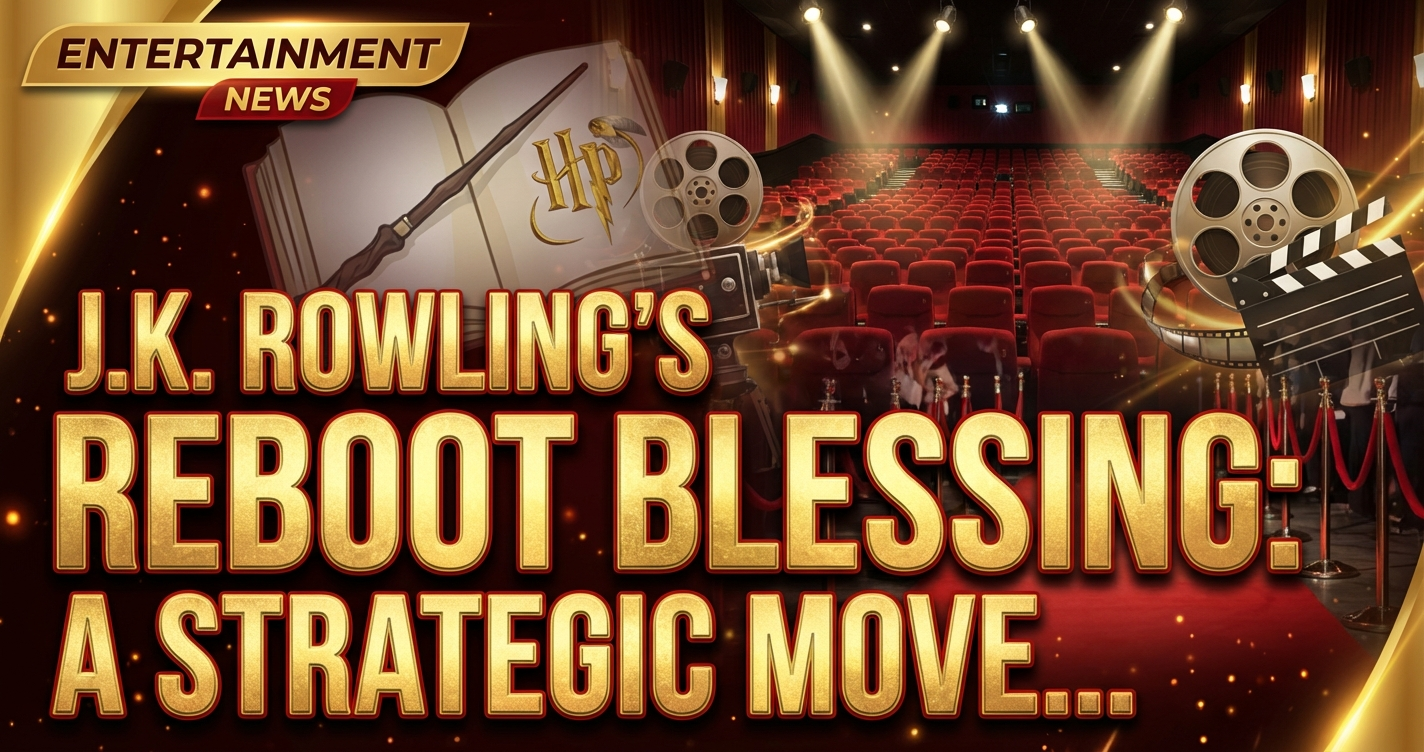
J.K. Rowling’s Reboot Blessing: A Strategic Move for HBO’s Harry Potter?
The Wizarding World is poised for a dramatic return, not to the silver screen, but to the sprawling landscape of episodic television. And now, the architect of that world, J.K. Rowling, has officially given her public blessing to the ambitious HBO Max reboot, reportedly calling the adaptation “incredible.” While her endorsement might seem like a natural progression for a creator supporting their legacy, a closer look reveals a highly strategic, and undeniably complex, maneuver within the contentious currents surrounding the beloved franchise.
For Warner Bros. Discovery and HBO, Rowling’s vocal support isn’t just a nice-to-have; it’s a crucial stamp of approval, especially given the tumultuous public discourse surrounding the author in recent years. This isn’t just about adapting a story; it’s about navigating a cultural phenomenon that carries immense financial weight and an equally immense emotional investment from millions of fans. Her reported enthusiasm for the series, which aims to adapt each of her seven books into a season-long arc, attempts to bridge a gap that many thought impassable for some segments of the fanbase.
A Creator’s Endorsement Amidst Stormy Seas
Rowling’s involvement as an executive producer on the new series has always been a key detail, but her public statements have been notably measured until now. Her recent comments, where she reportedly expressed her excitement and confidence in the project, carry significant weight. For a studio banking on one of the most powerful IPs in entertainment history, having the original storyteller not just on board, but actively championing the vision, is an invaluable asset.
It’s a stark contrast to how some other legacy reboots or adaptations have fared when the original creator has been either absent or openly critical. In an era where creative control and fidelity to source material are paramount for fan acceptance, Rowling’s seal of approval can assuage fears about the series straying too far from the heart of the books. This is particularly relevant as the new series promises a deeper, more faithful exploration of the novels than the original film saga, which necessarily compressed storylines and characters.
The Weight of Legacy: Adapting a Global Phenomenon Again
Re-adapting Harry Potter is no small feat. The original film series, which ran from 2001 to 2011, grossed over $7.7 billion worldwide and solidified a generation’s cinematic experience of the Wizarding World. The challenge for HBO Max is not just to meet that standard, but to transcend it, offering a fresh perspective while honoring the foundational narrative.
The move to an episodic format for each book is a clear strategic advantage. Where films like Harry Potter and the Goblet of Fire had to condense hundreds of pages into a two-and-a-half-hour runtime, a full season allows for intricate character development, detailed world-building, and the inclusion of subplots and nuances often lost in cinematic adaptations. We’ve seen similar strategies with other beloved book series, like Disney+’s Percy Jackson and the Olympians, where author Rick Riordan’s direct involvement and the episodic structure were key selling points for fans yearning for a more faithful retelling.
However, the path is fraught. Amazon’s Lord of the Rings: The Rings of Power, while visually stunning and a ratings success, faced intense scrutiny and mixed fan reactions over its narrative choices and perceived deviations from Tolkien’s lore. The Harry Potter reboot will operate under a similar microscope, amplified by its status as a foundational text for millions.
Navigating the Controversial Landscape
No discussion of the new Harry Potter series can ignore the complex and often painful backdrop of J.K. Rowling’s public statements on gender identity. These controversies have created a deep rift within the fanbase, with many struggling to reconcile their love for the Wizarding World with their feelings about its creator.
For Warner Bros. Discovery, this presents a delicate balancing act. On one hand, Rowling’s continued creative involvement and endorsement provide legitimacy and continuity for the franchise. On the other, the studio must contend with ongoing calls for boycotts and widespread fan disillusionment. Rowling’s public support for the show is, in part, an attempt to re-center the conversation on the creative merits of the adaptation, but it cannot erase the underlying tensions.
The studio’s strategy appears to be a dual approach: lean into the creator’s vision for the story’s fidelity, while also emphasizing that the series will be developed by a diverse team of writers and producers. The hope is that the sheer magnetic pull of the Harry Potter narrative, coupled with a promise of a truly comprehensive adaptation, will ultimately outweigh the external controversies for a significant portion of the global audience.
What’s Next for the Wizarding World on Screen?
Rowling’s blessing is a green light, but the real work has only just begun. The crucial next steps will involve casting, the unveiling of the creative team beyond the executive producers, and early glimpses of the series’ aesthetic. Fans will be scrutinizing every detail, from the portrayal of iconic characters to the visual interpretation of Hogwarts itself. The success of this reboot isn’t just about bringing a beloved story back; it’s about whether it can heal old wounds, forge new connections, and re-establish the Wizarding World as a dominant force in the ever-competitive streaming arena.
Keep an eye on DailyDrama.com for all the latest casting news, production updates, and our ongoing analysis of this monumental undertaking. The stakes couldn’t be higher for the boy who lived, and for the empire built around him.