Oscars 2026: A Night of Resonance and Revelation for Hollywood
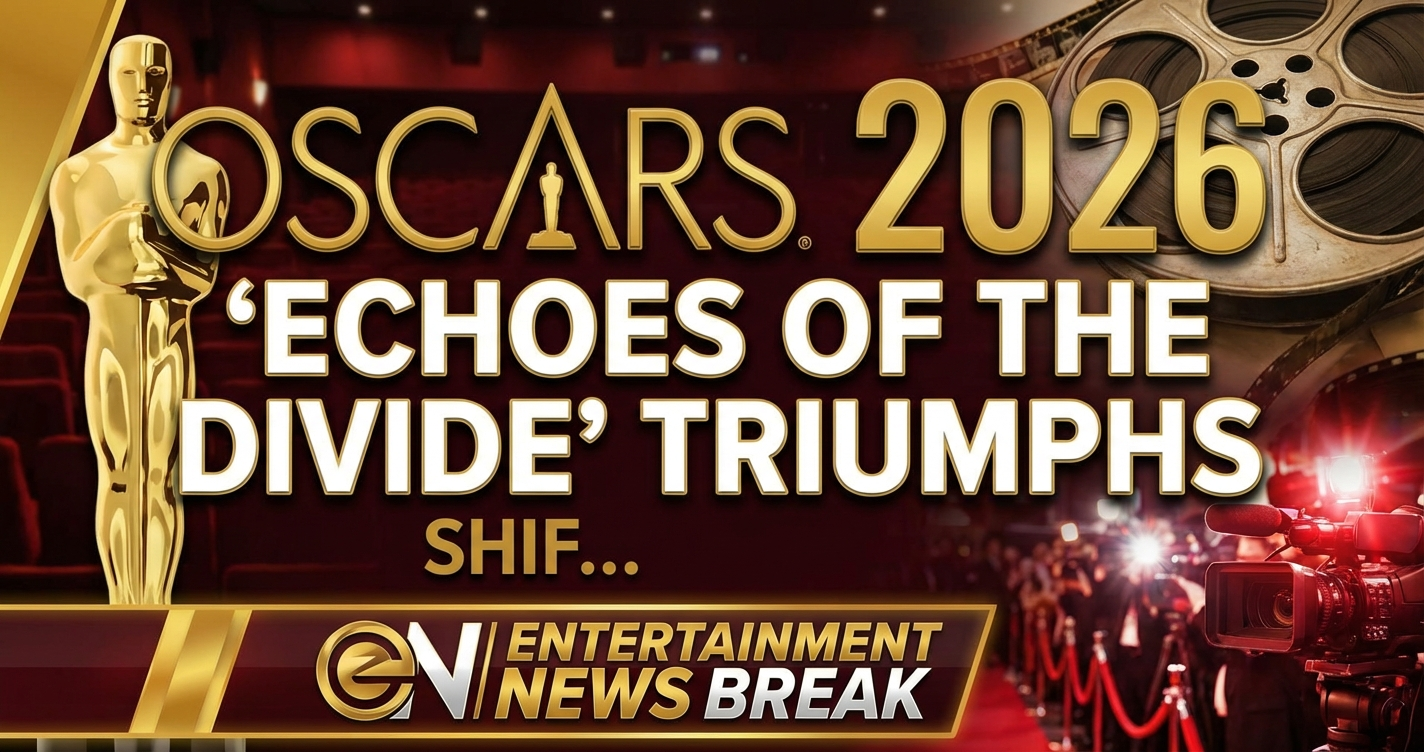
The curtain has fallen on the 98th Academy Awards, and what a night it was. In a year many anticipated would be dominated by high-concept blockbusters or flashy biopics, the Academy delivered a powerful statement: substance still reigns supreme. Director Elara Vance’s profoundly moving drama, Echoes of the Divide, emerged as the undisputed champion, claiming Best Picture and several other top honors. Its victory wasn’t just a win for a film; it felt like a collective nod to the enduring power of intimate, character-driven storytelling in an ever-evolving industry landscape.
From the moment Vance’s film, a poignant exploration of reconciliation in a fractured society, premiered at Telluride last fall, whispers of Oscar potential quickly escalated into a roaring chorus. Its stark beauty, combined with powerhouse performances and a screenplay that cut to the bone, resonated deeply with critics and audiences alike, proving that sometimes, the quietest stories make the loudest impact. The film’s sweep, including wins for Best Original Screenplay and Best Actor, solidified its place as the defining cinematic achievement of the year.
The Big Winners: A Night for Nuance and Legacy
Echoes of the Divide‘s triumph was comprehensive. Beyond its Best Picture and Original Screenplay wins, the film saw veteran actor Arthur Sterling finally claim his long-overdue Best Actor Oscar for his raw, vulnerable portrayal of a man grappling with a painful past. Sterling, a beloved industry figure with a career spanning five decades, received a standing ovation that felt genuinely earned, a moment of pure Hollywood catharsis. He reportedly remarked backstage, “This isn’t just for me, it’s for every story that dares to look closely at the human heart.”
While Vance didn’t take home Best Director – that honor went to Kaito Ishikawa for his breathtaking sci-fi epic, Celestial Drift, a visually stunning meditation on humanity’s place in the cosmos – her influence on the night was undeniable. Ishikawa’s win, a testament to his visionary craft and ability to blend spectacle with profound themes, offered a counterpoint to Echoes‘ grounded realism, showcasing the breadth of cinematic excellence honored this year.
Best Actress went to Lila Khan for her mesmerizing performance in The Botanist’s Daughter, a quiet, intense period drama that captivated with its subtlety. Khan, a rising star who has been on DailyDrama.com’s radar since her breakout role in the indie thriller Crimson Tide three years ago, delivered a performance that critics lauded as “a masterclass in restrained emotion.” Her win feels like a true passing of the torch, signaling a new generation of talent ready to lead.
Beyond the Top Prizes: Surprises and Industry Shifts
The supporting categories saw their share of surprises and affirmations. Javier ‘The Maestro’ Rodriguez took Best Supporting Actor for his magnetic turn in the crime thriller The Serpent’s Coil, a film that also nabbed Best Adapted Screenplay. His win was a popular one, cementing his status as one of Hollywood’s most versatile performers, capable of elevating any project.
In the Best Supporting Actress category, newcomer Chloe Zhang delivered an unexpected but welcome win for her powerful debut in the indie darling A Flicker in the Dark. Her raw talent, discovered through a grassroots casting call, highlighted the Academy’s continued commitment to recognizing fresh faces and authentic performances, regardless of traditional industry pathways.
The technical categories were, as expected, a battleground of innovation. While Celestial Drift dominated in Visual Effects and Cinematography (a deserved win for its groundbreaking visuals), it was refreshing to see smaller, more intimate films like Echoes of the Divide and The Botanist’s Daughter recognized for their meticulous craft in areas like production design and costume design, proving that world-building isn’t exclusive to blockbusters.
The Streaming Factor and Studio Strategies
This year’s Oscars also offered insights into the ongoing dance between traditional studios and streaming giants. While Aether Originals had a strong showing with multiple nominations and a win for Best Documentary Feature, the major narrative awards largely favored films that had robust theatrical releases. This suggests that while streamers are crucial for funding diverse and challenging projects, the path to Best Picture still seems to benefit from the prestige and cultural conversation generated by a significant theatrical run.
Major studios, particularly those that backed films like Echoes of the Divide, will likely double down on mid-budget, quality dramas that can attract both critical acclaim and awards attention. The success of films that prioritize story over spectacle is a clear signal that audiences, and the Academy, are hungry for thoughtful, impactful cinema that resonates long after the credits roll.
What Does it All Mean for Hollywood’s Future?
The 98th Academy Awards felt like a recalibration. It was a night that celebrated craftsmanship, emotional depth, and the power of original storytelling. The wins for films like Echoes of the Divide and The Botanist’s Daughter, alongside the visual grandeur of Celestial Drift, paint a picture of an industry striving for balance: embracing technological advancement while never losing sight of the human element that makes cinema so powerful. The emphasis on diverse voices, both in front of and behind the camera, was also palpable, underscoring a continued commitment to inclusivity.
Looking Ahead: The Road to the 99th
As the industry looks towards the 99th Academy Awards, the message from the 2026 ceremony is clear: bold, original storytelling, coupled with authentic performances and visionary direction, will always find its audience and its accolades. Expect studios and independent producers alike to chase projects with strong narratives and unique perspectives. The bar has been set high, and we at DailyDrama.com are already anticipating the films that will rise to meet the challenge in the coming year. The future of cinema, it seems, is in good hands.