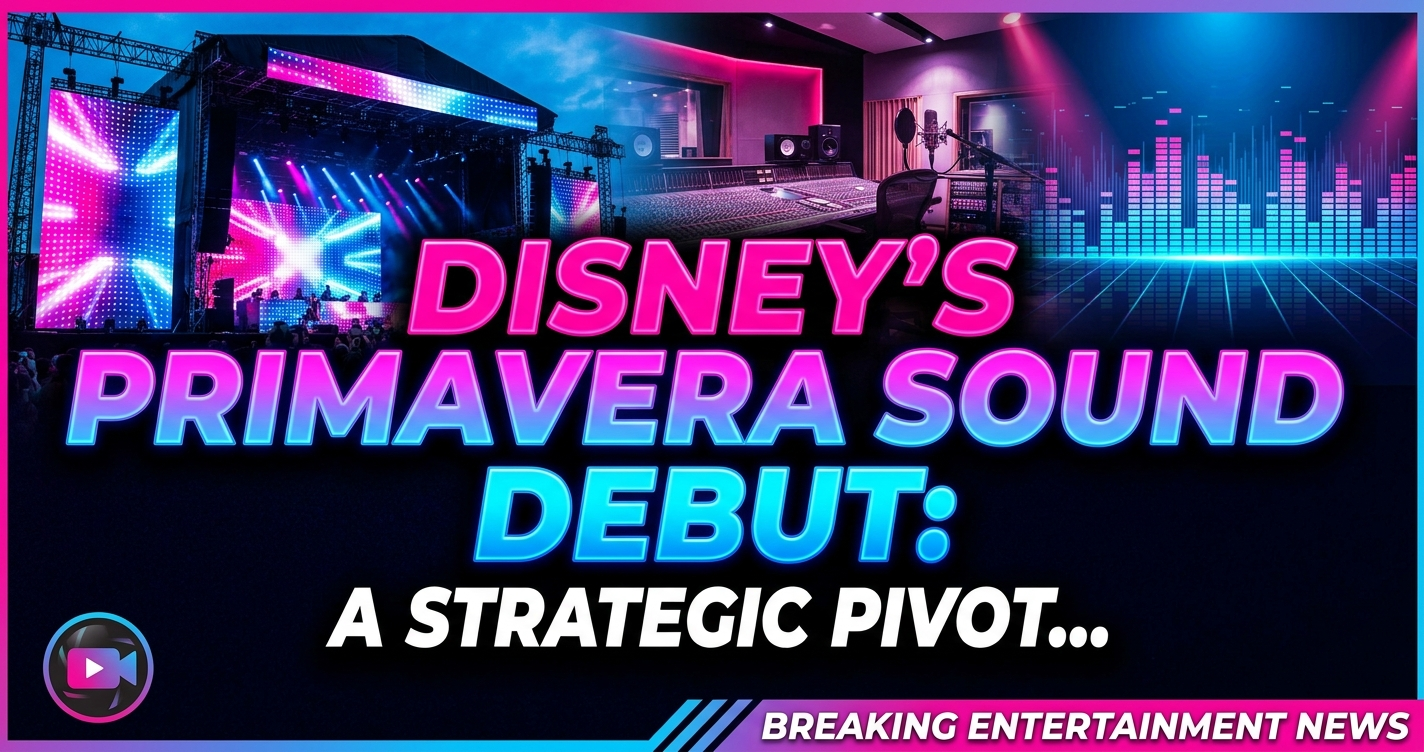
When news broke that Disney would be making its debut at Primavera Sound Barcelona, the entertainment world collectively did a double-take. The House of Mouse, synonymous with family-friendly magic and theme park grandeur, stepping onto the hallowed, often indie-leaning grounds of one of Europe’s most revered music festivals? It feels like a culture clash, yet industry insiders are buzzing that this isn’t just a quirky one-off. This is a shrewd, calculated move from a global conglomerate determined to future-proof its brand and capture the attention of a demographic increasingly elusive through traditional channels.
The Mouse House Goes Indie? A Calculated Play for New Demographics
Primavera Sound, with its reputation for curating diverse, cutting-edge lineups that span indie rock, electronic, hip-hop, and experimental genres, has always attracted a discerning, culturally astute audience. It’s a far cry from the Main Street Electrical Parade. So, what’s Disney’s game plan here? It’s simple, yet profound: meet the audience where they are. And where a crucial segment of the younger, affluent, and culturally curious audience is, is at festivals like Primavera.
Sources close to the situation suggest this isn’t about hawking Mickey ears. Instead, it’s about subtle brand recalibration and direct engagement. As one marketing executive, who preferred to remain unnamed, put it, “Disney understands that cultural relevance isn’t static. To remain a powerhouse, they need to show up in spaces that might seem ‘off-brand’ at first glance, but are actually prime territory for influencing the next generation of consumers. This isn’t just for kids anymore; it’s about reminding young adults that Disney’s universe is vast, sophisticated, and relevant to their interests.”
This move is a clear signal that Disney is keen to shed any lingering perception of being solely a children’s entertainment provider. With its sprawling empire encompassing Marvel, Star Wars, Pixar, and an ever-expanding Disney+ catalog, the company needs to appeal to everyone from toddlers to twenty-somethings. Primavera offers a unique, unfiltered channel to demonstrate this breadth.
Beyond the Booth: Experiential Marketing’s New Frontier
The press release mentioned “live music, art, and experiences.” This isn’t just a banner ad on a stage. This is a deep dive into experiential marketing, a trend that has rapidly become central to brand strategy at major festivals. From massive, elaborate installations at Coachella to interactive zones at SXSW, brands are no longer content with passive sponsorships; they want to be part of the festival’s fabric, offering memorable moments that resonate beyond the music itself.
Imagine a Marvel Cinematic Universe-themed photo op with cutting-edge AR filters, a Star Wars cantina experience with bespoke cocktails and DJ sets, or a Disney+ screening lounge showcasing upcoming mature-rated content. These aren’t just promotions; they’re curated environments designed to immerse attendees in Disney’s various worlds. This kind of activation builds brand loyalty not through explicit advertising, but through shared, positive experiences. It’s about creating organic buzz and social media amplification from an audience that values authenticity and unique encounters.
This strategy aligns perfectly with the evolution of festivals themselves, which have transformed from mere music showcases into multifaceted cultural events encompassing art, food, fashion, and technology. Disney’s entry elevates the experiential stakes, potentially setting a new benchmark for how legacy brands can innovate their engagement tactics.
Primavera Sound: The Ideal Partner in a Shifting Landscape
Why Primavera Sound specifically? Its global footprint is undeniable, with flagship events in Barcelona and Porto, alongside growing presences in Buenos Aires and São Paulo. This offers Disney an international platform to test and refine its strategy across diverse markets. Furthermore, Primavera’s reputation for meticulous curation and a discerning audience means that any brand association carries a certain weight and credibility.
The festival also hosts Primavera Pro, a concurrent industry meeting that brings together music professionals from around the globe. This provides Disney with invaluable networking opportunities, potential talent scouting, and a chance to engage with the bleeding edge of the music industry. A festival organizer, speaking off the record, reportedly expressed enthusiasm for the collaboration, highlighting Primavera’s commitment to “pushing boundaries and curating unique, enriching experiences that extend beyond our stellar music lineup. Partners like Disney allow us to explore new creative avenues.” This suggests a mutual benefit, where Disney gains access to a coveted demographic, and Primavera enhances its reputation as a forward-thinking cultural hub.
The Long Game: Disney’s Quest for Cultural Relevance
This move isn’t just about one festival; it’s part of Disney’s broader, long-term strategy in the fiercely competitive streaming wars and the battle for cultural relevance. With Disney+ needing to attract and retain a wide subscriber base, appealing to young adults who grew up with Disney but now consume media differently is paramount. By showing up at a festival like Primavera, Disney is subtly signaling that its content slate is expansive, sophisticated, and relevant to their evolving tastes.
This echoes Disney’s past ventures, from its acquisition of Fox’s entertainment assets to its robust Hollywood Records label that has launched pop stars and produced countless iconic soundtracks. Disney has always been a master of adapting and expanding its reach. This Primavera Sound debut is simply the latest, most visible manifestation of that relentless pursuit of staying ahead of the curve, ensuring the magic extends to every demographic, in every corner of the cultural landscape.
What to Watch For Next
The success of Disney’s Primavera Sound debut will undoubtedly be closely watched across the entertainment industry. Will this serve as a template for similar brand activations at other major festivals like Lollapalooza, Glastonbury, or Governors Ball? Will we see a more pronounced shift in Disney’s marketing strategy to embrace ‘non-traditional’ spaces? The audience reception in Barcelona will be key, offering valuable insights into how a legacy brand can truly connect with a new generation. This bold experiment could redefine how entertainment behemoths engage with culture, proving that even the most established brands need to constantly innovate to remain eternally relevant.