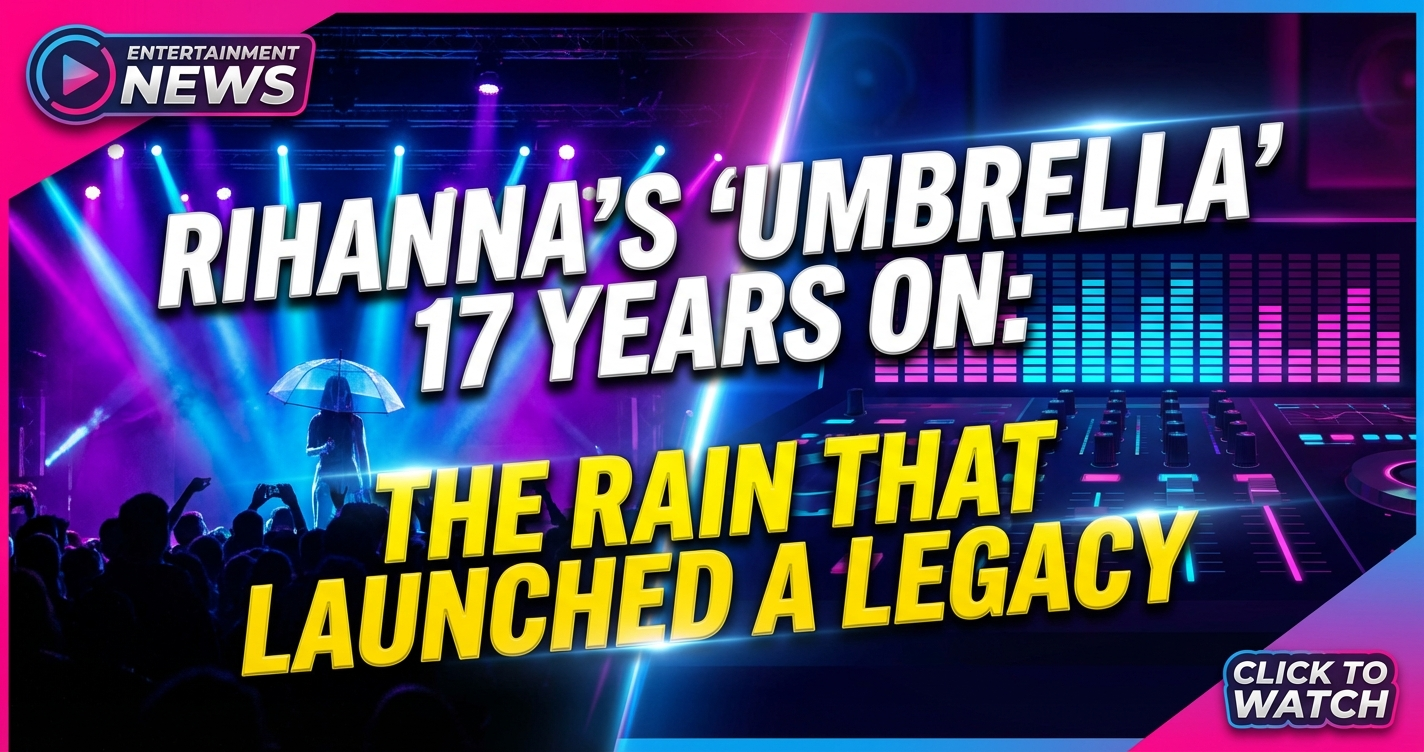
Rihanna’s ‘Umbrella’ 17 Years On: The Rain that Launched a Reign
March 29, 2007. For many, it was just another Thursday. For the music industry, and specifically for a burgeoning pop star named Rihanna, it was the day a storm broke – and everything changed. That day, “Umbrella,” featuring the inimitable Jay-Z, dropped as the lead single from her third studio album, Good Girl Gone Bad. It wasn’t just a song; it was a seismic event that catapulted Rihanna from a promising artist to an undeniable global superstar, laying the groundwork for the mogul she is today.
Before “Umbrella,” Rihanna was a talented singer with a string of dancehall-infused hits like “Pon de Replay” and “SOS.” She was popular, sure, but she hadn’t yet fully defined herself. She was the charming, island-pop princess. Good Girl Gone Bad, and specifically “Umbrella,” was the defiant declaration of intent, a bold pivot that shed any lingering notions of innocence and embraced a more edgy, sophisticated, and ultimately, iconic persona.
The Transformation: From Princess to Pop Queen
The album title itself, Good Girl Gone Bad, was a harbinger of the artistic and image transformation. It signaled a deliberate shedding of her previous, more wholesome image, embracing a darker, more experimental sound. Rihanna, through this project, was taking control of her narrative. Industry insiders at the time noted the strategic shift, recognizing the need for artists to evolve beyond their initial branding to achieve true longevity. Rihanna, under the guidance of then-manager Jay-Z, executed this transition with surgical precision.
The sound of “Umbrella” was unlike anything else on the radio. Produced by Tricky Stewart and Terius “The-Dream” Nash, its sparse, instantly recognizable drumbeat, coupled with Rihanna’s confident, almost hypnotic vocal delivery, created an atmosphere of understated power. It was a perfect storm of pop sensibility and urban swagger. The song’s journey to Rihanna is a legendary tale in itself, reportedly being offered to Britney Spears and Mary J. Blige before finding its rightful owner. Imagine a world where that iconic “ella, ella, eh, eh, eh” wasn’t Rihanna’s – it’s almost unthinkable now.
Jay-Z’s Co-Sign: A Stamp of Approval
Jay-Z’s involvement was more than just a guest verse; it was a powerful co-sign from one of the industry’s most respected figures. As the head of Def Jam at the time, his belief in Rihanna was absolute. His opening verse, delivered with his signature cool, immediately lent the track an undeniable street credibility and gravitas. It wasn’t just a feature; it was a passing of the torch, an endorsement that told the world: this artist is serious, and she’s here to stay. This kind of high-profile collaboration often serves as a critical accelerant in an artist’s career, pushing them into new demographics and cementing their mainstream appeal.
The song’s lyrical theme of unwavering support and loyalty resonated globally, making it an anthem for friendship and enduring relationships. This universal message, combined with its infectious melody, ensured its widespread appeal and longevity. The accompanying music video, featuring Rihanna famously dancing with an umbrella and covered in silver paint, became an instant classic, visually defining her new, edgier aesthetic.
The Blueprint for a Mogul
“Umbrella” didn’t just top charts; it dominated them. It hit number one in over 10 countries, including a remarkable 10-week run at the top of the UK Singles Chart. It won a Grammy for Best Rap/Sung Collaboration. But its impact stretched far beyond accolades. It established Rihanna’s template for global domination: innovative sound, fearless image, and an undeniable command of her artistry.
This period marked the true beginning of the Rihanna we know today – not just a singer, but a brand architect. The confidence and strategic vision displayed in the launch of Good Girl Gone Bad and “Umbrella” directly foreshadowed her later ventures. Her ability to pivot, innovate, and connect with a massive global audience through her music undoubtedly laid the groundwork for the colossal success of Fenty Beauty and Savage X Fenty. She learned how to build an empire, brick by hit-song brick.
Seventeen years on, “Umbrella” remains a quintessential pop anthem, a testament to its timeless appeal and Rihanna’s undeniable star power. It’s a reminder that sometimes, the biggest breakthroughs come from embracing change and daring to go bad – or rather, daring to go better.
What to Watch For Next: While Rihanna continues to build her Fenty empire, the anticipation for new music remains at an all-time high. Could her next musical chapter be another seismic shift, much like “Umbrella” was 17 years ago? The industry, and fans worldwide, are certainly holding their breath.