The Shifting Lens: Who Truly Controls the Celebrity Image?
Walk down any grocery store aisle, scroll through your social feed, or click onto virtually any entertainment site, and you’re bombarded. Celebrity images are everywhere – glossy, candid, posed, spontaneous. From the meticulously styled red carpet gowns to the seemingly unfiltered backyard selfies, the visual narrative of fame has never been more pervasive. But in this era of constant visibility, a critical question emerges: who truly holds the power over a star’s public image? Is it the paparazzo, the publicist, the fan, or the celebrity themselves?
For decades, the celebrity image was largely dictated by powerful studios and magazine editors. Think of Hollywood’s Golden Age, where stars were meticulously groomed, photographed, and presented as aspirational figures. Every angle, every smile, every public appearance was a strategic chess move orchestrated by a phalanx of publicists and handlers. Then came the paparazzi revolution of the late 20th century, a seismic shift that ripped control away from the studios and thrust it into the hands of an aggressive freelance army. Suddenly, the candid, the unflattering, the vulnerable became prime currency, fueling a voracious tabloid industry.
Today, the landscape is even more complex, a dizzying blend of the old and the new. While paparazzi still chase their shots, and tabloids still vie for exclusive angles, the rise of social media has introduced a powerful new player: the celebrity themselves. This has fundamentally altered the economics and ethics of being seen.
The Art of the ‘Authentically Staged’: Social Media’s New Paradox
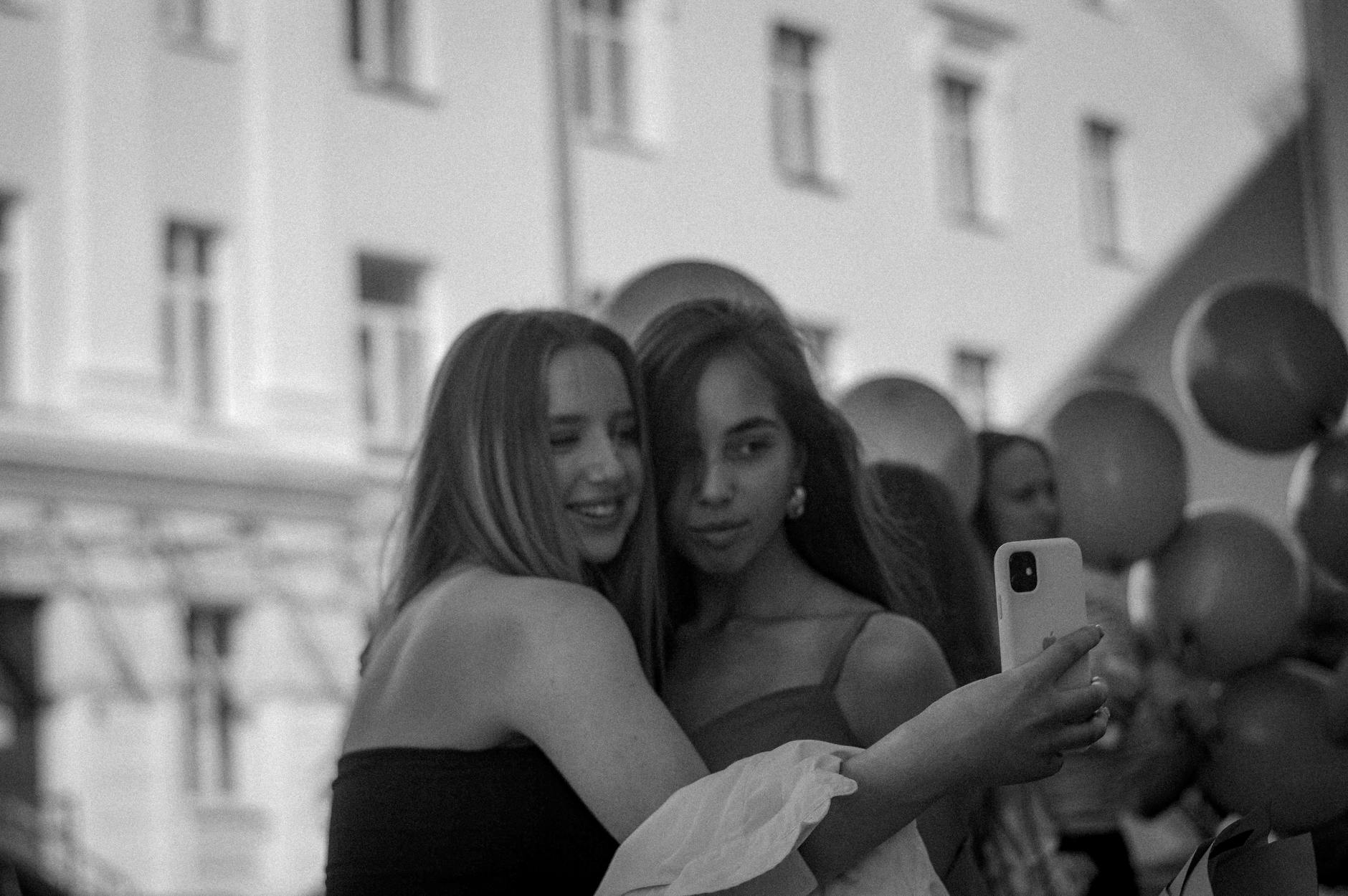
In a world where every phone is a camera, and every star has a direct line to millions of followers, the lines between ‘candid’ and ‘curated’ have blurred into near invisibility. Celebrities are now their own editors-in-chief, photographers, and publicists. They can bypass traditional media gatekeepers, posting unedited thoughts, behind-the-scenes glimpses, and personal moments directly to platforms like Instagram, TikTok, and X.
This newfound direct access allows stars to shape their narratives with unprecedented precision. An artist launching a new album might meticulously stage a series of ‘casual’ photos in the studio, giving fans a manufactured sense of intimacy. An actor promoting a new film might share ‘spontaneous’ vacation pictures that subtly hint at their character’s upcoming journey. As one industry veteran, a long-time publicist who’s weathered every storm from the 90s tabloid wars to today’s TikTok trends, recently shared, “It’s a delicate dance. Fans demand authenticity, but ‘authenticity’ on social media is often the most carefully constructed performance of all. We’re constantly strategizing what looks unplanned.”
This strategy is not just about image; it’s about engagement. Every like, share, and comment strengthens the parasocial bond between star and fan, creating a loyal audience ready to consume music, movies, merchandise, and even personal brands. It’s a powerful tool, but one that comes with its own set of pressures and pitfalls.
The Economic Engine: Valuing a Viral Moment
The business of celebrity images extends far beyond magazine covers. A single viral moment – a perfectly timed red carpet appearance, a controversial social media post, an unexpected street style shot – can translate into millions. Brands are increasingly eager to partner with stars who demonstrate authentic engagement, often valuing a celebrity’s personal feed as much, if not more, than traditional advertising. Endorsement deals for fashion, beauty, and lifestyle brands are often tied directly to a star’s social media reach and their ability to generate buzz through visual content.
The very paparazzi photos that once felt like an invasion can now be subtly leveraged. A star might ‘accidentally’ be photographed wearing a specific designer, carrying a particular handbag, or drinking a certain brand of coffee. While few would admit to direct staging, the savvy star’s team understands the ecosystem. They know where photographers might be, what outfits generate buzz, and how to turn a potentially intrusive moment into a beneficial one. It’s a high-stakes game where visibility equals currency.
The Cost of Constant Visibility: Privacy and Pushback
Yet, the constant demand for visual content extracts a heavy toll. The relentless scrutiny, the invasion of privacy, and the pressure to always present a perfect, aspirational image can lead to significant mental health challenges for celebrities. We’ve seen many artists step back from social media, citing burnout and the toxicity of online discourse. Others have actively campaigned for stricter paparazzi laws, especially concerning their children, highlighting the ethical dilemmas inherent in this always-on culture.
The public, too, plays a role. Our insatiable appetite for glimpses into famous lives fuels the market. The more we click, share, and comment, the more valuable these images become, perpetuating the cycle. It’s a complex codependency between star, media, and audience, where everyone is both a consumer and a contributor to the visual economy of fame.
What to Watch For Next
As technology evolves, so too will the celebrity image. Expect even more sophisticated AI tools to manage and even generate celebrity likenesses, pushing the boundaries of what’s ‘real.’ We’ll likely see stars continue to experiment with direct-to-fan platforms, perhaps even creating their own exclusive content subscriptions that offer a deeper, more controlled visual experience. The battle for the narrative will intensify, but one thing is certain: the fascination with the celebrity image, in all its forms, isn’t going anywhere soon. It remains the most powerful currency in the entertainment industry.