The New Sound Frontier: When Algorithms Become Co-Composers
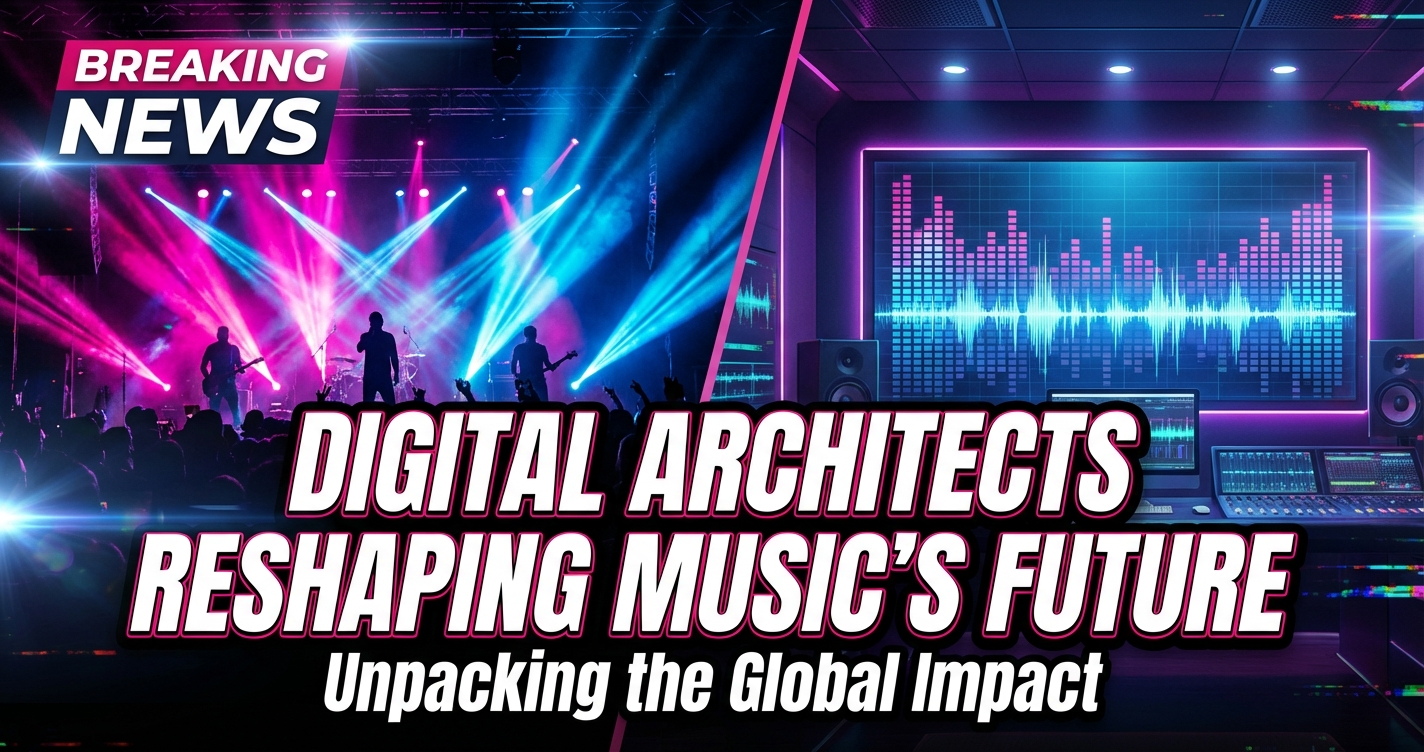
The music world is no stranger to seismic shifts. From the electric guitar’s rise to the digital revolution that put a recording studio in every bedroom, technology has consistently redefined what’s possible. But a new wave is washing over the industry, one where advanced algorithms and sophisticated computational tools aren’t just aiding creation – they’re actively participating in it. We’re talking about a paradigm where the lines between human inspiration and machine generation are blurring, sparking both immense excitement and deep-seated apprehension across the globe.
DailyDrama.com has been tracking this evolution closely. Industry insiders whisper about how major labels are quietly investing, while independent artists are already experimenting with platforms that can generate melodies, harmonies, and even full instrumental tracks from a simple prompt. This isn’t just about automation; it’s about a dynamic collaboration, where human creativity guides a powerful digital engine capable of exploring sonic landscapes at an unprecedented scale. It’s a fascinating, sometimes unnerving, glimpse into music’s next chapter.
Echoes of the Past: Innovation’s Inevitable Backlash
For those who fear this digital frontier, it’s worth remembering history. Each significant technological leap in music has been met with skepticism, even outright hostility. When synthesizers first emerged, purists decried them as soulless imitations of ‘real’ instruments. Samplers faced fierce legal battles and accusations of theft, yet they fundamentally reshaped hip-hop and electronic music. Auto-Tune, initially a corrective tool, became a creative effect that defined an era, sparking countless debates about authenticity and skill.
What we’re witnessing today is arguably the most profound shift yet. These intelligent algorithms aren’t just processing sound; they’re learning patterns, understanding musical theory (or at least mimicking it convincingly), and generating original sequences. As one prominent producer, who wishes to remain anonymous due to ongoing label negotiations, told DailyDrama, "It’s like having a thousand session musicians at your fingertips, each with perfect pitch and an encyclopedic knowledge of every genre imaginable. The challenge isn’t making music anymore; it’s *curating* it."
The Copyright Conundrum: Who Owns the Algorithmic Output?
Perhaps the most contentious battleground for this new technology is intellectual property. If an algorithm is trained on millions of existing songs, absorbing their styles, melodies, and structures, does its output inherently carry echoes of those original works? And if so, who is liable?
Legal experts are already grappling with these unprecedented questions. Sources close to major music publishers indicate a flurry of discussions surrounding licensing agreements for training data, the definition of ‘originality’ in an algorithmic age, and the very concept of authorship. "The current copyright framework simply wasn’t designed for this," a leading entertainment lawyer recently confided. "We’re in uncharted waters, and the rulings made in the next few years will shape the entire industry for decades to come. It’s not just about money; it’s about the fundamental rights of creators." The stakes are incredibly high, as artists and labels alike seek to protect their investments and creative legacies.
The Human Element: Still the Heartbeat of Song?
Despite the incredible capabilities of generative tech, there’s a prevailing sentiment that the human element remains indispensable. While algorithms can master technique and mimic emotion, can they truly *feel*? Can they tell a story born of lived experience, heartbreak, or triumph in a way that resonates deeply with a human listener?
Many artists embracing these tools see them not as replacements, but as powerful extensions of their own creativity. "It’s like getting a new paintbrush, or a whole new palette of colors," remarked an experimental electronic artist known for pushing sonic boundaries. "The machine provides the raw material, the unexpected textures, but *I* still decide the narrative, the emotional arc, the message. It’s about collaboration, not abdication." This perspective suggests a future where artists evolve into master curators, guiding intelligent systems to manifest their unique visions.
As the conversation around advanced generative music technology intensifies, one thing is clear: the sound of tomorrow will undoubtedly be different. It will be richer, more diverse, and perhaps more complex than anything we’ve heard before. The industry, from artists to labels to legal teams, is scrambling to understand its implications and harness its potential.
What to watch for next: Keep an eye on landmark legal cases defining ownership of algorithmic creations, the emergence of new revenue models for artists utilizing these tools, and how major streaming platforms adapt to a potential explosion of machine-assisted content. The revolution is well underway, and DailyDrama.com will be here to cover every beat.