2026 TV Season: A Post-Strike Power Play & Streaming Reset
The annual reveal of upcoming TV premiere dates is always a fascinating look into the industry’s strategic mind, but the 2026 slate feels particularly charged. Fresh off a tumultuous period marked by historic strikes, the entertainment landscape is not just scheduling new and returning series; it’s undergoing a profound recalibration. Deadline’s comprehensive list, updated daily, isn’t just a calendar; it’s a strategic roadmap for how networks, streamers, and cable channels are positioning themselves in a fractured, post-peak TV world. At DailyDrama.com, we’ve been sifting through the noise to identify the core trends that will define our viewing habits for the next year and beyond.
The Post-Strike Production Boom & Strategic Shifts
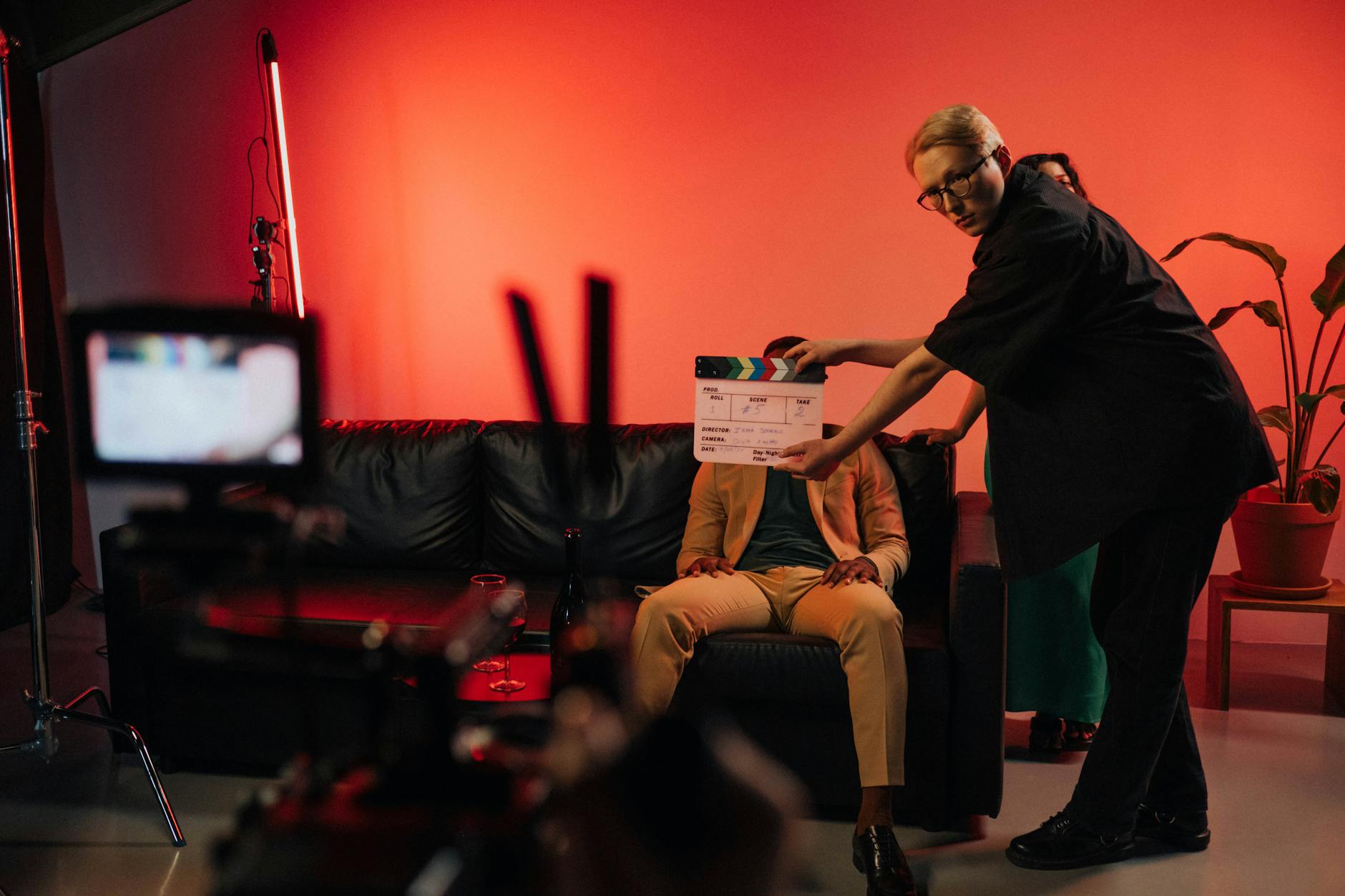
One of the most immediate takeaways from the 2026 schedule is the palpable rush to production. The dual strikes of 2023 created a significant backlog, forcing studios to hit the ground running once agreements were reached. This isn’t just about filling empty slots; it’s a calculated deployment of resources. We’re seeing a clear emphasis on established intellectual property (IP) and proven showrunner talent. The days of greenlighting dozens of untested pilots for streamers might be waning, replaced by a more conservative, yet high-stakes, approach.
An anonymous network executive, speaking on background, recently indicated that their strategy for 2026 wasn’t merely to catch up, but to “strategically deploy our most anticipated content to maximize audience recapture and reduce churn.” This means fewer experimental shows in prime slots and more reliance on familiar faces, returning narratives, and big-budget spectacle designed to be appointment viewing. It’s a return to form for some, and a necessary pivot for others.
Streaming’s Evolving Playbook: Quality Over Quantity (Mostly)
The streaming wars continue to evolve, and 2026 looks to be another pivotal year. After years of chasing subscriber growth at all costs, platforms like Netflix, Max, Disney+, and Prime Video appear to be refining their strategies. While volume remains a factor, there’s an undeniable push towards higher-impact, must-watch series designed for retention rather than just acquisition. We’re seeing fewer niche projects get the green light, and more resources poured into tentpole productions.
For instance, the long-awaited third season of a certain fantasy epic on Netflix (which we can’t name yet, but you know the one) is finally slated for early 2026, after significant production delays. Similarly, Max is doubling down on its prestige dramas, with several high-profile limited series from acclaimed showrunners launching throughout the year. The influence of power players like Shonda Rhimes, with her consistent slate of hits for Netflix, or Taylor Sheridan, who continues to build out his cinematic universe for Paramount+, remains central to these platforms’ strategies. Their ability to deliver consistent, high-quality content makes them invaluable assets in a crowded market. We’re also seeing a continued global focus, with international co-productions and local-language originals playing a significant role in filling schedules and attracting diverse audiences.
Broadcast’s Steady Ship: Comfort, Consistency, and Live Events
Don’t count out broadcast television just yet. While the headlines often focus on streaming, ABC, CBS, NBC, Fox, and The CW are meticulously crafting their 2026 slates with a clear understanding of their strengths. Their strategy is less about reinvention and more about refinement: leaning heavily into the comfort of procedural dramas, multi-camera comedies, and unscripted reality programming. These are the shows that reliably deliver consistent, if not always skyrocketing, viewership week after week, acting as valuable anchors for advertisers.
The importance of live events – sports, awards shows, and special programming – cannot be overstated for linear networks. These are the last bastions of true appointment viewing, immune to the binge-watching habits of streaming. The CW, under its new ownership, continues its transformation with a lineup heavy on cost-effective, acquired series and unscripted fare, aiming for profitability over prestige. As one veteran studio head noted, “Broadcast remains the bedrock for mass audience reach, and we’re investing in shows that deliver consistent viewership week after week, providing a stable platform for our partners.” It’s a quiet resilience that often gets overlooked in the flashier world of streaming.
The Prestige Push: Limited Series and Event Programming
Amidst the broader strategic shifts, the commitment to high-quality, critically acclaimed limited series and event programming remains strong. HBO, FX, and Apple TV+ continue to lead the charge here, with 2026 promising a raft of meticulously crafted dramas and thought-provoking anthologies designed to dominate awards season conversations. These are the shows that fuel cultural discourse, attract top-tier talent, and elevate a platform’s brand.
Expect several buzzy adaptations of popular novels and true-crime sagas to debut, vying for critical praise and audience attention. The limited series format, in particular, offers a compelling proposition: a complete, self-contained story that can attract A-list actors and directors who might be hesitant to commit to a multi-season run. It’s a testament to the industry’s enduring desire to tell ambitious stories, even as financial pressures mount.
What to Watch For Next
The 2026 premiere schedule is more than just a list of dates; it’s a living document reflecting an industry in flux. The coming year will be a crucial test of these post-strike strategies. Will the focus on IP and proven talent lead to a creative renaissance or a safe stagnation? Can streaming platforms truly balance subscriber growth with sustainable business models? And how will broadcast continue to carve out its niche in an increasingly fragmented media landscape?
DailyDrama.com will be watching closely as these narratives unfold, tracking viewership trends, critical reception, and the inevitable shifts in strategy. The entertainment industry is a perpetual motion machine, and 2026 promises to be a year of significant movement.