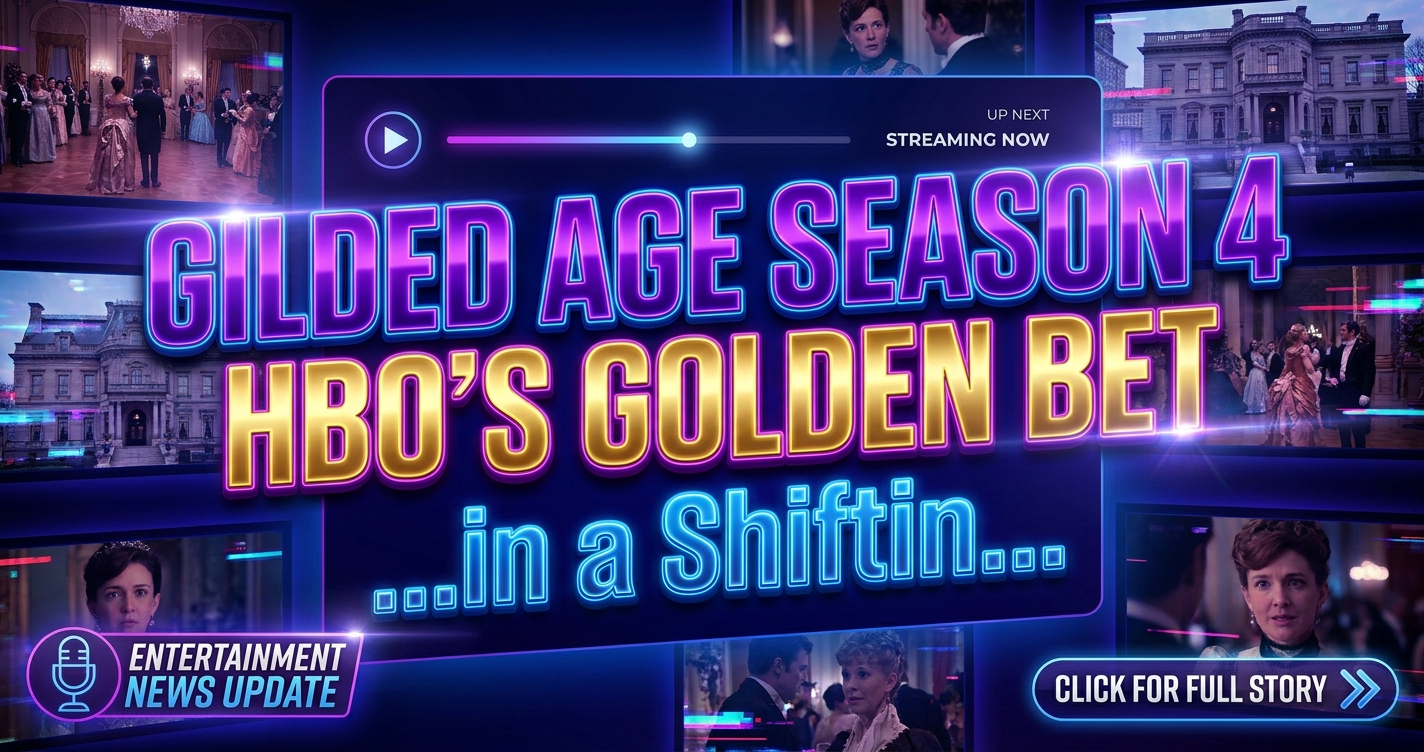
The Gilded Age Season 4: HBO’s Golden Bet in a Shifting Streaming Landscape
November 2026 might seem a distant blip on the calendar, but for industry insiders and discerning viewers, the return of HBO’s The Gilded Age for its fourth season is already a notable marquee event. As a veteran observer of the television landscape, I can tell you that a series reaching its fourth outing on a premium network like HBO is no small feat. It’s a testament not just to the show’s inherent appeal, but also to a deliberate strategic play in the ever-turbulent waters of the streaming wars.
Julian Fellowes’ lavish period drama, set against the backdrop of late 19th-century New York City, has carved out a unique niche. It’s a compelling blend of historical accuracy, social commentary, and pure, unadulterated high-society drama. The clash between old money and new ambition, embodied by the formidable Agnes van Rhijn and the audacious Bertha Russell, continues to resonate. As we anticipate the November 2026 premiere, one can’t help but wonder what new stratagems, scandals, and sartorial splendors await our beloved and loathed characters.
The Enduring Allure of Opulence and Intrigue
It’s no secret that historical dramas have a dedicated fanbase. From the early days of television to the current streaming boom, tales of bygone eras offer both escapism and a fascinating lens through which to view contemporary issues. But The Gilded Age isn’t just another period piece; it’s a meticulously crafted world where every detail, from the corsets to the carriage rides, screams authenticity. This commitment to production value, a hallmark of HBO, elevates the series beyond mere costume drama.
Fellowes, of course, proved his mastery of this genre with the global phenomenon that was Downton Abbey. With The Gilded Age, he’s transplanted his signature wit, intricate plotting, and keen understanding of class dynamics to American shores. The series delves into a fascinating, often ruthless, period of American history – an era of unprecedented economic growth, social upheaval, and the birth of modern philanthropy and industry. It’s a world where fortunes were made and lost, reputations were built and destroyed, and the pursuit of status was a full-contact sport. This inherent drama, coupled with a superb ensemble cast, ensures sustained viewer engagement season after season.
Julian Fellowes’ Midas Touch and HBO’s Strategic Play
For HBO, continuing The Gilded Age into a fourth season by November 2026 is a smart, calculated move. In an era where streaming platforms are struggling with subscriber churn and the need for consistent, high-quality original content, investing in a proven success story makes perfect sense. Sources close to the network have often emphasized the value of established IPs and showrunners who consistently deliver. Fellowes is precisely that kind of talent.
The series offers HBO a cornerstone in its premium drama lineup, attracting an audience segment that appreciates sophisticated storytelling and high production values. While other streamers might focus on churning out a high volume of new, often short-lived content, HBO has historically prioritized quality and the cultivation of long-running, critically acclaimed series. The Gilded Age fits perfectly into this philosophy, providing a reliable tentpole that keeps subscribers engaged and reinforces the network’s prestige brand identity. It’s not just about flashy new premieres; it’s about building a library of enduring, beloved shows.
Beyond the Ballroom: What S4 Means for the Genre
Reaching a fourth season presents unique challenges and opportunities for any showrunner. How do you keep the core conflicts fresh without resorting to repetitive plotlines? How do you deepen character arcs while introducing new dynamics? For Fellowes, the vast historical canvas of the Gilded Age itself provides endless material. The industrial titans, the burgeoning women’s rights movement, the intricate social codes of New York and Newport – there’s always a new corner of this period to explore.
Industry observers suggest that the sustained success of shows like The Gilded Age also signals a broader trend: a renewed appetite for intelligent, character-driven historical narratives. While fantasy and sci-fi dominate some corners of the streaming landscape, there’s a clear demand for stories grounded in our past, offering both historical education and captivating drama. Other networks and streamers are undoubtedly watching HBO’s success closely, perhaps pondering their own lavish period pieces.
The Streaming Wars: A Battle for Consistency
In the cutthroat world of streaming, where content is king but consistency is queen, The Gilded Age stands as a powerful example of how to build and maintain an audience. While many shows are canceled after one or two seasons, a multi-season commitment like this signals confidence from the network and offers viewers the comfort of a long-term investment in a story world they love. This is crucial for subscriber retention, a metric that has become paramount for all major players.
As 2026 approaches, the anticipation for The Gilded Age‘s fourth season isn’t just about the next chapter in the Russell-van Rhijn saga. It’s about witnessing HBO double down on a winning formula, leveraging the timeless appeal of a master storyteller and a captivating historical era to secure its place at the pinnacle of prestige television. It’s a golden age for historical drama, and HBO is clearly leading the charge.
What to Watch For Next
Keep an eye out for early casting announcements or hints about new historical figures joining the fray as we get closer to 2026. Will the social battles escalate? Will new alliances be forged in the relentless pursuit of power and acceptance? And perhaps most importantly, will Bertha Russell finally conquer the old guard completely, or will new challengers emerge from unexpected corners of New York society? The drama, much like the Gilded Age itself, is far from over.