Hollywood’s Ax Falls: Neil Patrick Harris Game Show Among Wave of 2026 Cancellations
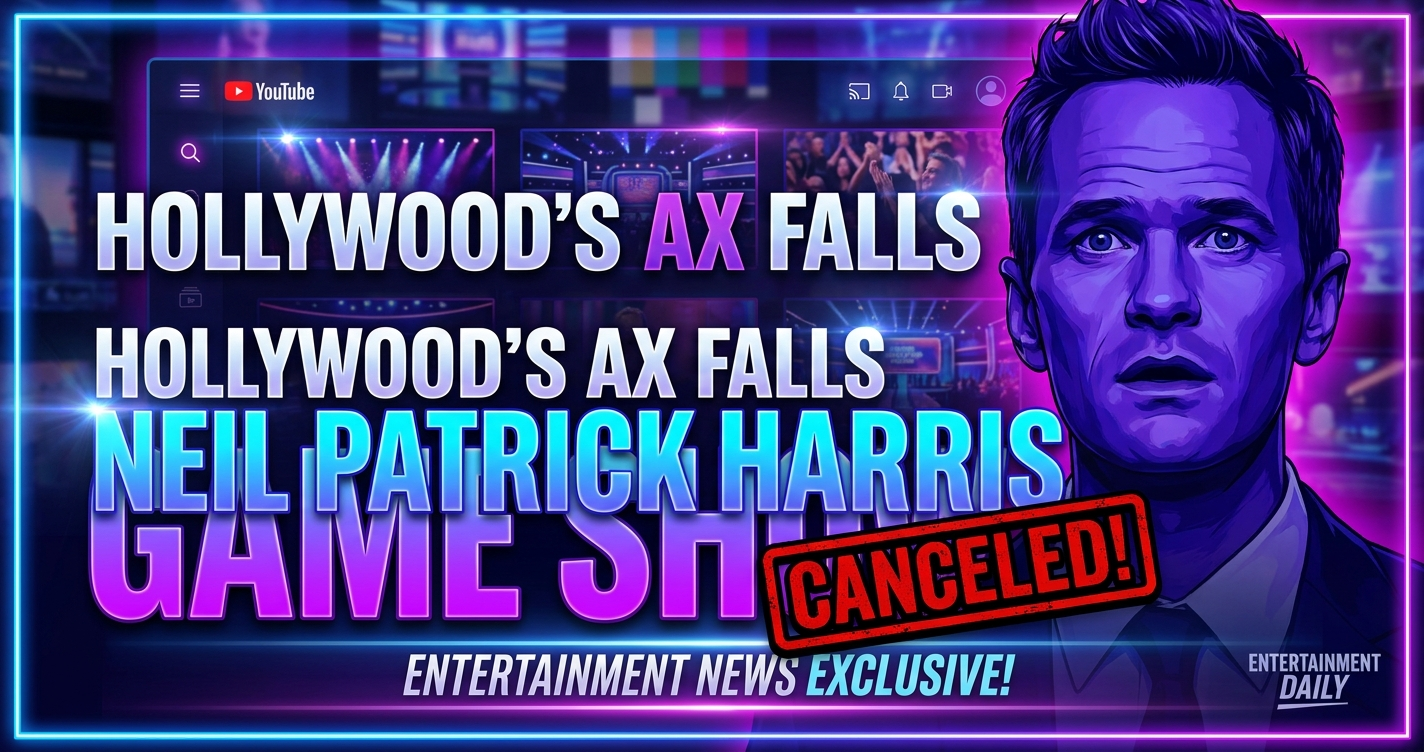
The writing is increasingly on the wall in Hollywood, and for a growing number of shows, that writing spells cancellation. While the industry is still reeling from the twin strikes and navigating a shifting economic landscape, the decisions being made now are already shaping the 2026 television slate – and it looks leaner than ever. Even established names and seemingly ‘safe’ formats aren’t immune, as insiders confirm that a much-anticipated game show hosted by the ever-charming Neil Patrick Harris is among the projects unlikely to see more episodes.
Veteran TV journalist Matt Webb Mitovich recently dropped the intel, noting that he’d heard “no plans at this time for more episodes” of the NPH-led game show. While specific details about the show itself have been somewhat under wraps, Harris’s proven track record as a host—from the Tony Awards to *Genius Junior*—made any new venture of his a promising prospect. This quiet shelving, however, is a microcosm of a much larger trend sweeping across both linear networks and streaming giants like Netflix, CBS, and NBC, all of whom are reportedly making aggressive cuts for their 2026 programming slates.
The Ax Falls on Familiar Faces (and New Formats)
Neil Patrick Harris is a beloved figure, known for his comedic timing on *How I Met Your Mother* and his versatile performances in everything from Broadway to *A Series of Unfortunate Events*. His foray into game show hosting seemed like a natural fit for his charismatic, quick-witted persona. The industry often views game shows as a relatively safe, cost-effective bet, especially when helmed by a marquee name. They offer reliable viewership, are generally less expensive to produce than scripted dramas, and can be easily syndicated.
So, why would an NPH-hosted game show face the chopping block? The word on the street suggests a confluence of factors. Perhaps the format didn’t quite pop with test audiences, or maybe the production costs, even for a game show, didn’t align with the new, stricter budget realities. In an era where every dollar spent is scrutinized, even a project with a high-profile host needs to deliver immediate, undeniable metrics. This move signals that no genre, no matter how traditionally ‘safe,’ is truly immune to the current industry climate.
Streamers Lead the Slaughter: Netflix’s Brutal Efficiency
The source also highlighted Netflix’s particularly aggressive approach, reportedly canceling ten series, with NBC matching that number. Netflix has long been notorious for its data-driven, often ruthless, cancellation strategy. While they greenlight a vast number of projects, they’re quick to pull the plug if a show doesn’t meet specific internal metrics, often related to completion rates, subscriber acquisition, or retention. We’ve seen this play out with fan favorites like *Sense8*, *The OA*, and more recently, critically acclaimed international series like *1899*.
The streamer’s model has shifted from pure subscriber growth to profitability. This means a shorter leash for new shows and a higher bar for renewal. A series might perform well for its first season but if it doesn’t demonstrate sustained engagement or a clear path to attracting *new* subscribers, it’s out. This “one-and-done” or “two-and-through” mentality has become a hallmark of the streaming era, leaving many creators and viewers in a constant state of anxiety.
Broadcast Networks Tighten Belts: A New Era of Scrutiny
It’s not just the streamers. Traditional broadcast networks like CBS and NBC are also facing immense pressure. While their renewal cycles are often more predictable, tied to upfront presentations and advertising dollars, they are feeling the crunch of declining linear viewership and rising production costs. The idea of a show needing several seasons to find its audience, once a common broadcast practice, is now largely a relic of the past.
For 2026, networks are looking for proven performers or concepts that are inherently cost-efficient. This often means more procedurals, reality shows, and — yes — game shows, but even these are now under intense scrutiny. The days of ordering multiple pilots in hopes of finding a breakout hit are fading, replaced by fewer, more targeted straight-to-series orders, which ironically can make the eventual cancellation feel even more abrupt when they don’t pan out.
The Bigger Picture: Economic Headwinds and Content Overload
This wave of TV show cancellations 2026 decisions is a stark reminder of the broader economic headwinds impacting Hollywood. The post-strike landscape has seen studios and platforms re-evaluating their content spend with renewed vigor. Advertising markets have softened, interest rates remain a factor, and the seemingly endless growth of the ‘Peak TV’ era is clearly over.
Viewers, too, are suffering from content overload and subscription fatigue. Platforms are now competing not just for new subscribers, but to retain existing ones by offering perceived value. If a show isn’t delivering that value efficiently, it becomes a liability. This shift means less experimentation and a greater focus on IP-driven projects or formats with a clear, established audience.
What to Watch For Next: Expect this trend to continue, if not accelerate. The bar for renewal will only get higher, and even star power might not be enough to save a show if the numbers don’t add up. For creators, it means an even more challenging environment to get new ideas off the ground and keep them there. For viewers, it means savoring every episode of your favorite new series, because its future is more uncertain than ever.