The Final F-Bomb: What The Boys Bloopers Really Mean for Its Legacy
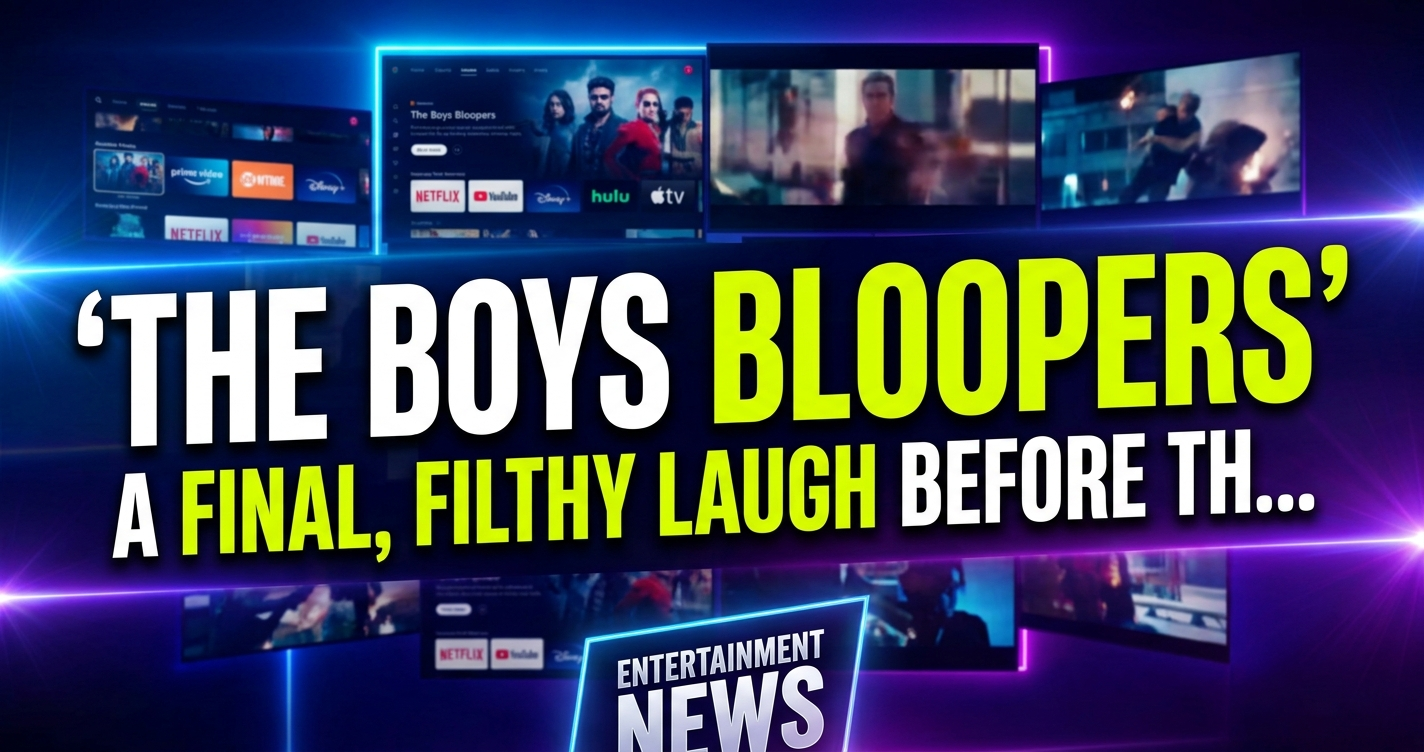
As the countdown begins for the fifth and final season of Prime Video’s unapologetically brutal and brilliantly satirical superhero saga, The Boys, the recent buzz around its blooper reel offers more than just a few chuckles. For a show that has redefined the boundaries of television violence, social commentary, and sheer audacity, a collection of flubbed lines and uncontrolled giggles isn’t just a peek behind the curtain; it’s a vital reminder of the human element behind the mayhem, and arguably, a testament to the enduring camaraderie that has fueled this groundbreaking series for years.
From its very first episode, The Boys, adapted from Garth Ennis and Darick Robertson’s seminal comic series, declared its intent to dismantle the pristine façade of superhero mythology with gleeful abandon. Showrunner Eric Kripke, known for steering genre juggernauts like Supernatural, brought a raw, unvarnished vision to the screen, creating a world where supes are more corporate product than moral paragon, and the lines between hero and villain are not just blurred, but obliterated. This commitment to its gritty, often profane aesthetic is precisely why a blooper reel filled with expletive-laden missteps and uncontrollable laughter feels so quintessentially ‘The Boys’ – it’s a final, filthy laugh before the book closes.
Breaking Character: The Human Cost of Playing Supes and Their Nemeses
It’s no secret that filming The Boys must be an intense experience. Actors like Antony Starr, who embodies the chillingly charismatic Homelander, or Karl Urban, whose Billy Butcher is a masterclass in gruff anti-heroism, consistently deliver performances that demand significant emotional and physical commitment. Sources close to the production have often indicated the sheer concentration required to maintain the show’s unique tone – a delicate balance of dark humor, visceral action, and piercing social satire.
The bloopers, therefore, serve as a fascinating counterpoint. They reveal the moments when the facade cracks, when the actors momentarily shed their characters’ heavy burdens. Imagine the relief of breaking into laughter after delivering a particularly heinous line or navigating a complex, blood-soaked stunt sequence. It underscores the incredible skill of this ensemble to dive back into the darkness, scene after scene, day after day. It’s a professional tightrope walk, and the blooper reel is a glimpse of them occasionally losing their footing, only to regain it with a shared grin.
This kind of behind-the-scenes content isn’t just fan service; it’s a valuable insight into the unique demands of a show that consistently pushes boundaries. It humanizes the larger-than-life characters and reminds us that even the most terrifying Homelander moments are crafted by an actor who, at the end of the day, is just trying to get the shot right – and occasionally succumbs to a fit of giggles.
The Boys’ Legacy: More Than Just Shock Value
As The Boys heads into its final act, its impact on the entertainment landscape is undeniable. It paved the way for a more adult, nuanced, and often cynical approach to the superhero genre, influencing everything from animation like Prime Video’s own Invincible to the grittier corners of the DC universe. Kripke and his team didn’t just deconstruct the superhero myth; they rebuilt it with a sharp, satirical edge, forcing audiences to confront uncomfortable truths about power, celebrity, and corporate greed.
The success of The Boys also highlights Prime Video’s strategic investment in high-quality, mature-oriented genre content. Alongside its spin-offs Gen V and the animated anthology The Boys Presents: Diabolical, the main series has cultivated a sprawling universe that resonates deeply with an audience hungry for narratives that challenge conventions. The ability to pull off a show with such extreme content while maintaining critical acclaim and a massive viewership is a testament to its compelling storytelling and superb execution.
The cast, too, has cemented their places in pop culture. Karl Urban’s turn as Billy Butcher is arguably one of his most iconic roles since *Lord of the Rings* or *Dredd*, while Antony Starr’s portrayal of Homelander has become a masterclass in villainy. Jack Quaid, as the perpetually overwhelmed Hughie Campbell, anchors the audience’s perspective amidst the chaos, a role he’s balanced with other high-profile voice work and live-action projects.
What to Watch For Next
As we brace ourselves for the final season, the bloopers offer a bittersweet farewell. They remind us of the fun, the chaos, and the sheer talent that went into creating this phenomenon. While the specific plot details for Season 5 remain under tight wraps, fans can undoubtedly expect Kripke and his team to go out with a bang – or perhaps, a particularly gory splat. The show’s ending will not only conclude the main narrative but also solidify its place in television history as a series that dared to be different, dared to be offensive, and dared to make us laugh in the face of absolute depravity. The question isn’t whether it will be shocking, but how effectively it will stick the landing, and if the actors managed to get through it without breaking into one last, potty-mouthed fit of giggles.