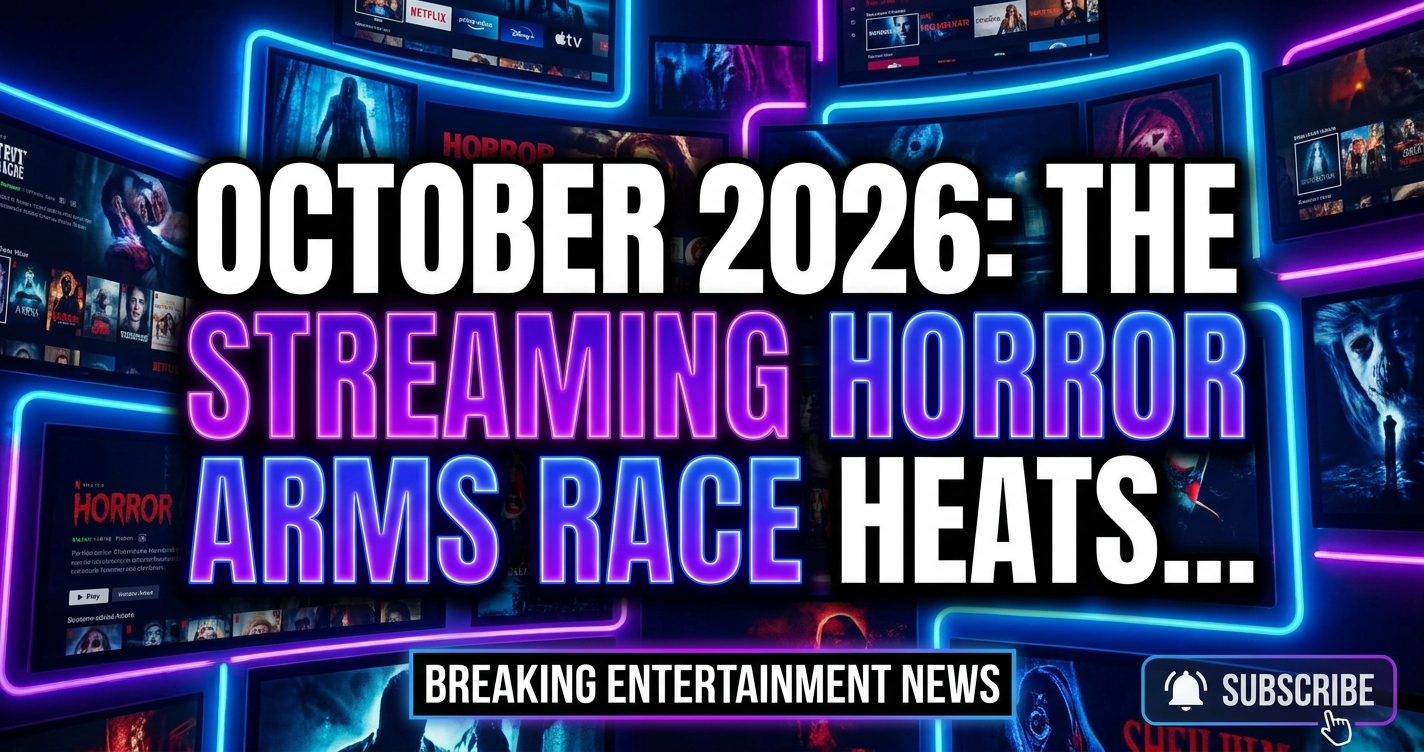
October 2026: The Streaming Horror Arms Race Heats Up
It’s October, and for anyone with even a passing interest in the macabre, that means one thing: the annual deluge of horror content. But while the tradition of spooky season is as old as carved pumpkins, the way we consume our frights has undergone a seismic shift. October 2026 isn’t just another month for jump scares and haunted houses; it’s a battleground where streaming giants are vying for eyeballs, subscriptions, and ultimately, cultural dominance.
Gone are the days when a handful of theatrical releases defined the Halloween season. Today, the real terror unfolds across dozens of platforms, each curating bespoke collections, premiering ambitious originals, and leveraging vast libraries to capture the attention of an increasingly discerning horror audience. From the mainstream behemoths like Netflix and Hulu to niche stalwarts like Shudder, everyone wants a piece of the genre’s perennial appeal. And with good reason: horror, particularly in its streaming incarnation, has proven to be an incredibly cost-effective, high-engagement genre that consistently delivers.
DailyDrama.com has been tracking this trend for years, and what we’re seeing this October is a culmination of strategic investments and creative gambles. The stakes are higher than ever, and the content is richer, more diverse, and more terrifying than ever before.
The Perennial Power of Fear: Beyond Just October
While October remains horror’s undeniable peak, let’s be clear: this genre isn’t just a seasonal fling anymore. Thanks to streaming, horror has cemented its place as a year-round, evergreen content driver. Films and series that would once struggle for theatrical distribution now find enthusiastic homes online, cultivating dedicated fanbases and often spawning sequels or spin-offs that would have been unthinkable a decade ago. It’s a testament to the genre’s adaptability and its ability to tap into primal fears that resonate regardless of the calendar date.
However, Halloween still serves as the genre’s Super Bowl. Streamers spend months, sometimes a full year, building up to their October slates. We’re seeing more original productions, bigger names attached, and increasingly sophisticated marketing campaigns designed to make their offerings stand out in a crowded digital landscape. As one industry analyst, speaking on background, put it, “October is when you show off your horror muscle. It’s not just about what you release, but how you brand it, how you curate it, and how you make your platform the definitive destination for frights.”
The Streamers’ Arms Race: Who Owns Spooky Season 2026?
Every major player has a strategy, and this October, those strategies are on full display:
- Netflix: The Global Juggernaut. Known for its volume play, Netflix continues to pump out international horror originals alongside its domestic hits. While some critics argue quality can be inconsistent, the sheer breadth of its offerings, from psychological thrillers to creature features, ensures there’s something for everyone. Our sources indicate a particular focus this year on anthology series and foreign language horror, leveraging its massive global subscriber base.
- Hulu: The Curated Experience. Hulu has smartly leaned into its “Huluween” branding, offering not just new titles but expertly curated collections that make discovery easy. Their ongoing partnership with Blumhouse has yielded some genuinely chilling original films and series, positioning them as a go-to for contemporary, often socially relevant, horror.
- Shudder: The Niche Champion. AMC’s dedicated horror streamer continues to be the gold standard for genre purists. With its exclusive indie horror, deep cuts, and original programming that often pushes boundaries, Shudder remains indispensable for serious horror fans. They’ve proven that a focused, passionate audience can be incredibly valuable.
- Max, Paramount+, Peacock: Leveraging Legacy. These platforms are playing a dual game: developing new genre content while also heavily promoting their studio libraries. Max benefits from Warner Bros.’ storied horror history (The Exorcist, The Conjuring Universe), Paramount+ has the Scream franchise and other classics, and Peacock continues to mine Universal’s monster legacy, often with fresh, modern takes. The challenge for them is balancing nostalgia with innovation.
- Disney+: The Unlikely Contender. Even Disney+ is getting in on the “spooky season” action, albeit with a family-friendly twist. While you won’t find R-rated gore, their offerings like Goosebumps, Hocus Pocus, and various animated specials show a clear understanding that even younger audiences want a taste of Halloween fun.
The Evolution of Fear: Beyond Jump Scares
The horror genre itself has matured significantly. The influence of “elevated horror” — films that prioritize atmosphere, psychological depth, and thematic resonance over cheap jump scares, often pioneered by studios like A24 — is now palpable across the streaming landscape. Showrunners and directors like Mike Flanagan (whose previous works like The Haunting of Hill House and Midnight Mass redefined streaming horror) continue to inspire a new wave of creators pushing genre boundaries. But this doesn’t mean the classics are dead; slasher revivals, creature features, and found-footage frights still have their place, often finding new life and larger audiences on streaming platforms.
The beauty of streaming is its capacity for experimentation. A truly unsettling, slow-burn psychological thriller might not get a wide theatrical release, but it can thrive and find its audience on Netflix or Shudder. This allows for a richer, more diverse horror ecosystem, ensuring that October 2026 offers something for every kind of fear.
The Business of Boos: Why Horror is a Streamer’s Dream
From an executive perspective, horror is often a dream genre. It frequently boasts lower budgets compared to sci-fi epics or prestige dramas, yet delivers incredibly high engagement and retention rates. Horror fans are notoriously loyal, active on social media, and eager to binge-watch entire series. As a studio executive, speaking anonymously due to competitive sensitivities, recently told us, “Horror’s ROI is fantastic. It brings in new subscribers, keeps existing ones engaged, and generates incredible buzz for a relatively modest investment. It’s a reliable workhorse, especially around Halloween.”
The social media amplification effect is also crucial. A truly terrifying scene or a shocking twist in a new horror series can go viral instantly, driving organic discovery and generating invaluable word-of-mouth marketing that money can’t buy.
What to Watch For Next
Looking beyond October 2026, the trajectory for streaming horror seems clear: more innovation, more integration, and potentially more immersive experiences. We anticipate further blurring of lines between traditional TV and interactive content, perhaps even early forays into VR horror experiences that leverage the unique capabilities of emerging tech. The challenge for streamers will be maintaining freshness and originality in an increasingly saturated market. The audience’s appetite for new scares is insatiable, but their tolerance for mediocrity is low.
The spooky season of 2026 is a vibrant snapshot of a genre in constant evolution, perfectly at home in the digital age. So, grab your popcorn, dim the lights, and prepare for a truly terrifying, and utterly captivating, October.