The Never-Ending Scroll: Are Streamers Overloading Us?
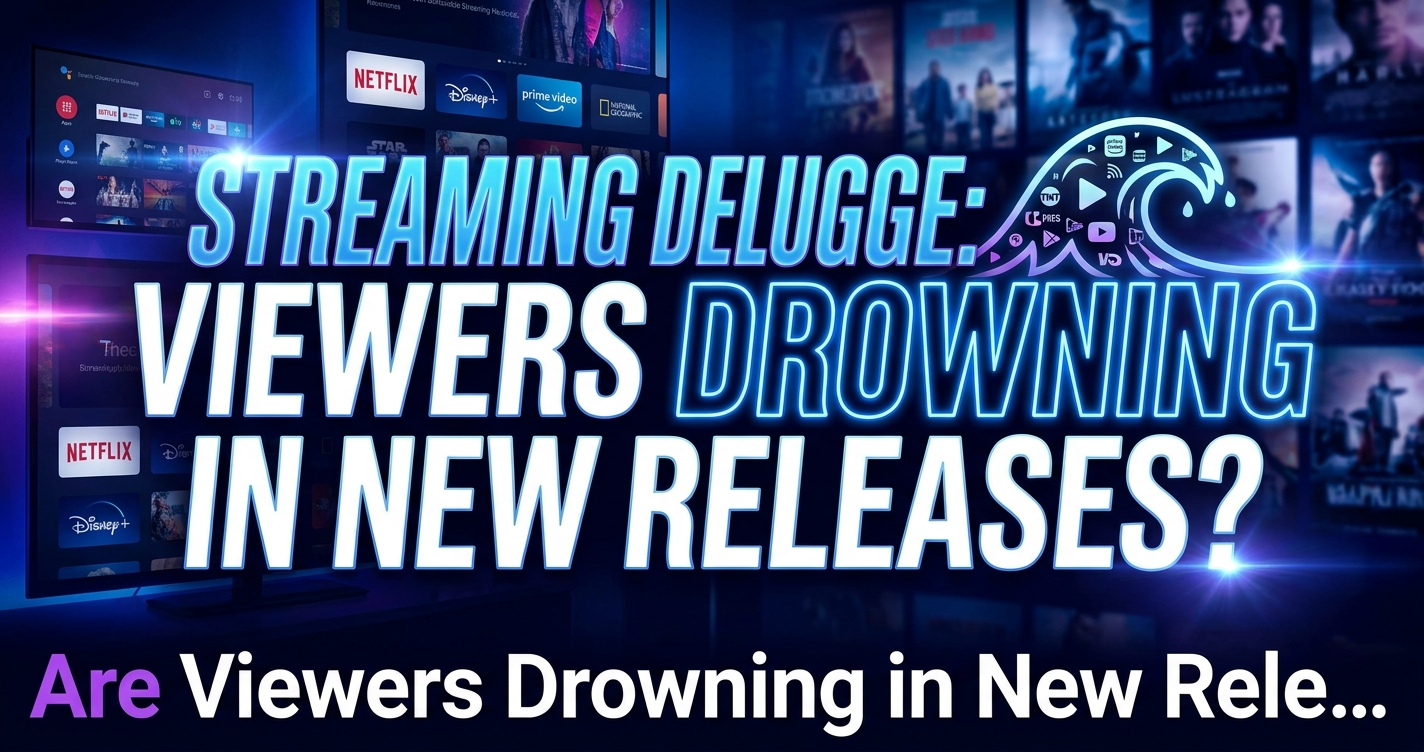
It’s another Tuesday, and just like every other day of the week, the major streaming platforms have unleashed a fresh torrent of content. Today alone, we’re talking dozens of new shows and movies hitting the digital airwaves across Netflix, Max, Hulu, Prime Video, and the growing field of competitors. For the average viewer, this can feel less like a buffet and more like a firehose. The question DailyDrama.com is constantly asking isn’t just ‘what’s new?’ but ‘is this sustainable, and more importantly, is it working?’
Remember the early days of streaming, when a handful of high-profile releases felt like an event? Now, the industry operates on a constant churn, a relentless pursuit of newness designed to keep subscribers from hitting that ‘cancel’ button. While the sheer volume is impressive, it also begs a critical look at the long-term implications for both platforms and the beleaguered audience trying to navigate the ever-expanding digital landscape.
From Peak TV to Peak Streaming: The Strategy Behind the Firehose
The term ‘Peak TV’ emerged years ago to describe the explosion of scripted series across broadcast, cable, and early streaming. We thought it couldn’t get bigger. We were wrong. Streaming services, fueled by massive investment and the imperative to grow subscriber bases, have taken that concept and supercharged it. The strategy is clear: provide something for everyone, all the time. The idea is that a constant flow of new content, whether it’s a prestige drama, an international thriller, a mid-budget comedy film, or a niche docuseries, ensures there’s always a reason to stay subscribed.
This approach isn’t without its historical context. Traditional networks always had a fall season full of new shows, but streaming broke free of those seasonal shackles. Netflix pioneered the ‘all at once’ binge model, and while many platforms still favor that, the daily drip of new additions is a refinement. It’s an attempt to dominate cultural conversation, even if fleetingly, and to provide continuous ‘value’ to subscribers. Industry analysts often point to subscriber retention as the ultimate metric in the current streaming wars, and a barren content slate is seen as a direct threat to that.
The Discoverability Dilemma: Finding the Needle in the Haystack
With so much content dropping daily, the biggest challenge isn’t production; it’s discoverability. How does a genuinely great show or film stand out when it’s just one of thirty new titles on a single day, let alone hundreds across a week? Algorithms are supposed to be the answer, pushing personalized recommendations to users. But even the smartest AI can struggle against the sheer volume. Many genuinely excellent projects risk getting lost in the shuffle, failing to find their audience simply because the noise level is too high.
This puts immense pressure on marketing teams and PR machines, who have to work harder than ever to generate buzz. It also means that established IP, known franchises, or projects with major star power often get the lion’s share of attention, leaving original, untested concepts at a disadvantage. As one veteran showrunner, who preferred to remain anonymous given the sensitivity of industry politics, recently confided to DailyDrama.com, "It feels like you’re launching a boat in a tsunami. You just hope it doesn’t get capsized before anyone even sees it." This sentiment is echoed by many creatives who express concern about their passion projects being swallowed by the content maw.
What This Means for Viewers and the Future of Streaming
For viewers, the constant influx presents a paradox of choice. While having endless options sounds appealing, it can lead to decision fatigue or the feeling of constantly missing out. Many subscribers report ‘doom-scrolling’ through menus, unable to settle on anything, or simply rewatching old favorites because the effort to find something new feels overwhelming. The fragmentation of content across numerous platforms only exacerbates this, demanding multiple subscriptions and constant vigilance.
The current strategy, while effective in some ways for subscriber acquisition, might inadvertently be teaching audiences that content is disposable. With so much new material constantly arriving, there’s less incentive to stick with a show that doesn’t immediately grab you, or to revisit older titles. This could lead to a devaluation of content in the long run, making it harder for any single project to truly embed itself in the cultural zeitgeist.
What to Watch For Next: Expect platforms to continue experimenting with release strategies. While the daily deluge isn’t going anywhere soon, we may see a renewed focus on curated ‘event’ programming for tentpole releases, attempting to cut through the noise with targeted, high-impact campaigns. We’ll also be watching for how long the average subscriber keeps their subscriptions, as ‘churn’ becomes the ultimate battleground in the ongoing streaming wars. The question isn’t just how much content can be produced, but how much can actually be consumed, and by whom.