The Weekend Deluge: More Than Just New Titles
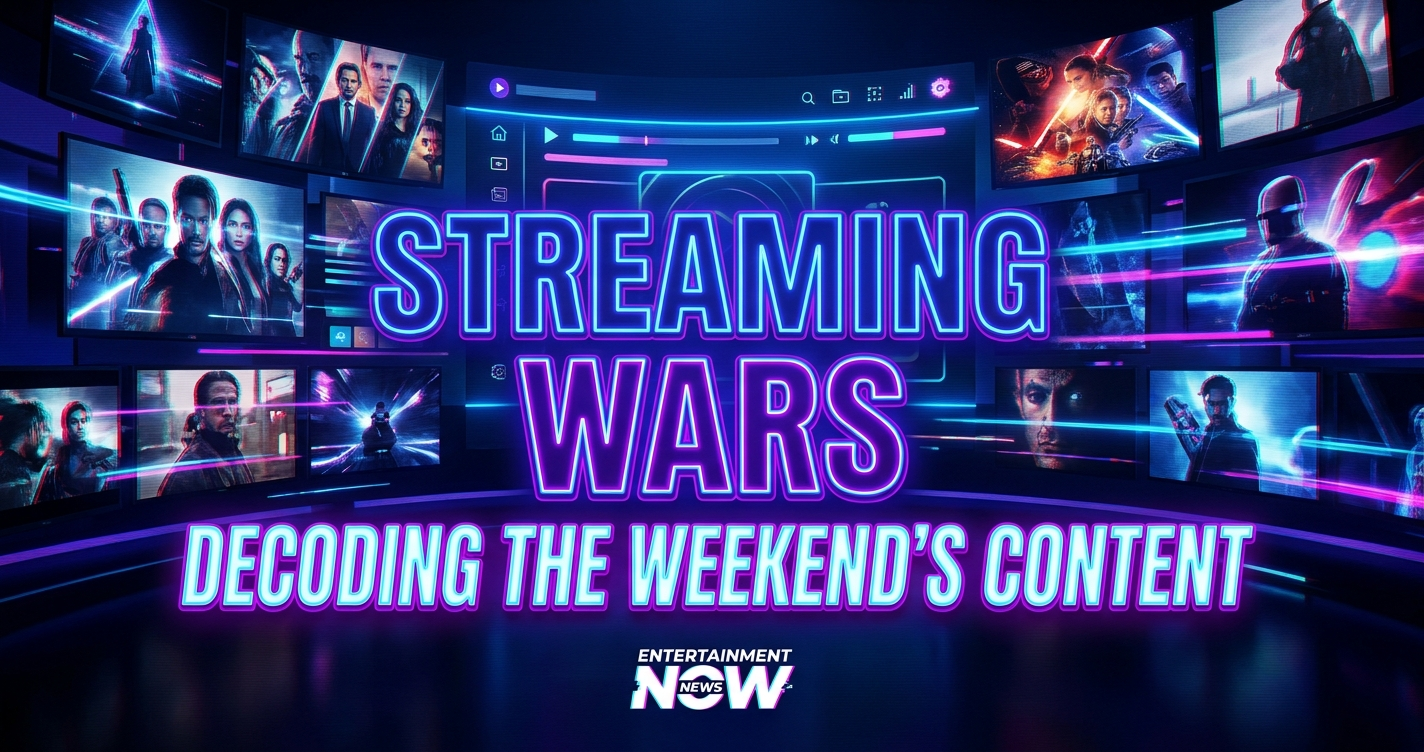
Another weekend, another avalanche of content. For the casual viewer, it’s a blissful, albeit overwhelming, buffet of options. For us tracking the industry, it’s a meticulously calculated skirmish in the ongoing streaming wars. This isn’t just a list of ‘what’s new on Netflix, Hulu, Prime Video, Apple TV and more’ – it’s a strategic move by every major player to capture your eyeballs, your precious viewing hours, and ultimately, your subscription.
We’ve moved far beyond the days of appointment television. The modern viewer is bombarded with choice, and this weekend’s slate is a microcosm of that relentless competition. From glossy, big-budget epics to quirky indie darlings and gripping true-crime sagas, the platforms are throwing everything they have at the wall, hoping something sticks. But the real story isn’t just the sheer volume; it’s the evolving strategies behind these releases, a high-stakes game where subscriber churn is a constant threat and cultural relevance is the ultimate prize.
Industry analysts frequently point out the paradox of choice: too many options can lead to viewer paralysis. So, how are these streaming giants attempting to cut through the noise? It’s a delicate dance between broad appeal and niche targeting, between splashy event programming and consistent, quality output.
The Strategy Shift: Quality Over Quantity (Sometimes)
The ‘throw everything at the wall’ approach, once a hallmark of the early streaming boom, is showing cracks. While Netflix still maintains an impressive, almost dizzying, production schedule, there’s a discernible pivot across the board towards what we in the industry call ‘event television.’ Think Apple TV+’s consistent commitment to prestige dramas with A-list talent and cinematic scope, or Max’s strategy of leveraging established IP to create buzz-worthy limited series. This weekend, we’re seeing examples of both.
Take, for instance, the much-anticipated debut of a certain high-concept sci-fi drama on a major streamer – let’s call it ‘The Chronos Project.’ This isn’t just another show; it’s positioned as a cornerstone. With a reported budget rivaling a blockbuster film and a creative team known for their intricate world-building, it’s designed to be a conversation starter, a cultural touchstone that justifies the monthly fee. The hope is that viewers will not only watch but actively discuss, theorize, and evangelize, creating organic word-of-mouth that no marketing budget can truly replicate.
Contrast this with the steady stream of solid, if less flashy, genre fare that continues to populate other libraries. Hulu, for example, often excels in delivering well-crafted, character-driven comedies and dramas that build loyal fan bases over time, even if they don’t always dominate the trending topics. It’s a strategy focused on retention and appealing to specific demographics, rather than just chasing the next viral hit. As one veteran producer recently told DailyDrama off the record, “It’s no longer just about getting picked up for a second season; it’s about making enough noise to cut through the din in the first 48 hours to *earn* that second season.”
Niche Appeals and Genre Dominance
While the big-ticket items grab headlines, the strategic deployment of niche content is just as crucial. True crime, for example, remains a seemingly inexhaustible wellspring for several platforms. This weekend, you might find a new docuseries dissecting a decades-old cold case or a dramatization of a sensational scandal. These titles, while perhaps not reaching the audience breadth of a major fantasy epic, reliably draw in dedicated viewers who are less likely to churn.
Similarly, certain genres are being actively cultivated. Prime Video continues its push into expansive fantasy and action franchises, aiming for the global scale of a cinematic universe. Meanwhile, we’re seeing platforms like Peacock and Paramount+ leaning into their network synergies, offering extensions of popular broadcast IP or exclusive content designed to lure existing fan bases. The goal is clear: identify underserved audiences or capitalize on proven formats, then deliver quality content tailored specifically to them. This weekend’s offerings are a testament to this, with everything from a quirky, dark comedy about an amateur detective – let’s say, ‘The Baker Street Irregulars’ – to an ambitious animated adult sci-fi series dropping simultaneously.
The Showrunner’s New Battlefield
For showrunners and creators, the streaming landscape is a double-edged sword. On one hand, there’s unprecedented creative freedom and access to budgets that traditional networks could only dream of during the ‘peak TV’ era. On the other, the pressure to deliver an immediate, undeniable hit is immense. The traditional development cycle, with its pilot season and incremental renewals, has been largely replaced by direct-to-series orders and the expectation of a fully formed vision from day one.
A senior executive at a rival streamer, speaking anonymously about content strategy, noted that “the data on viewership completion rates and re-watches is far more granular now. You can tell almost instantly if a show has legs, or if it’s just being sampled.” This data-driven approach, while efficient, can be unforgiving. Creators are tasked with not just telling a great story, but also with crafting something inherently ‘bingeable’ or, conversely, “watercooler-worthy” enough to sustain conversation over a weekly release schedule. This weekend’s new arrivals are the culmination of years of development, writing, and production, all funneled into a few critical hours where they either sink or swim in the vast ocean of choice.
What to Watch For Next
As the streaming wars intensify, look for platforms to continue refining their strategies. Expect more experimentation with release patterns – the all-at-once binge model might give way to more staggered releases for high-profile titles, designed to extend their cultural footprint. The hunt for globally appealing, adaptable IP will remain fierce, as will the investment in diverse voices and stories that resonate beyond traditional demographics.
The battle for your attention isn’t just about what’s new this weekend; it’s about the long game. Who can consistently deliver compelling narratives, foster a sense of community around their content, and ultimately, prove their indispensable value in an increasingly crowded market? That, dear readers, is the story worth watching.