The Weekly Deluge: Decoding the Streaming Strategy
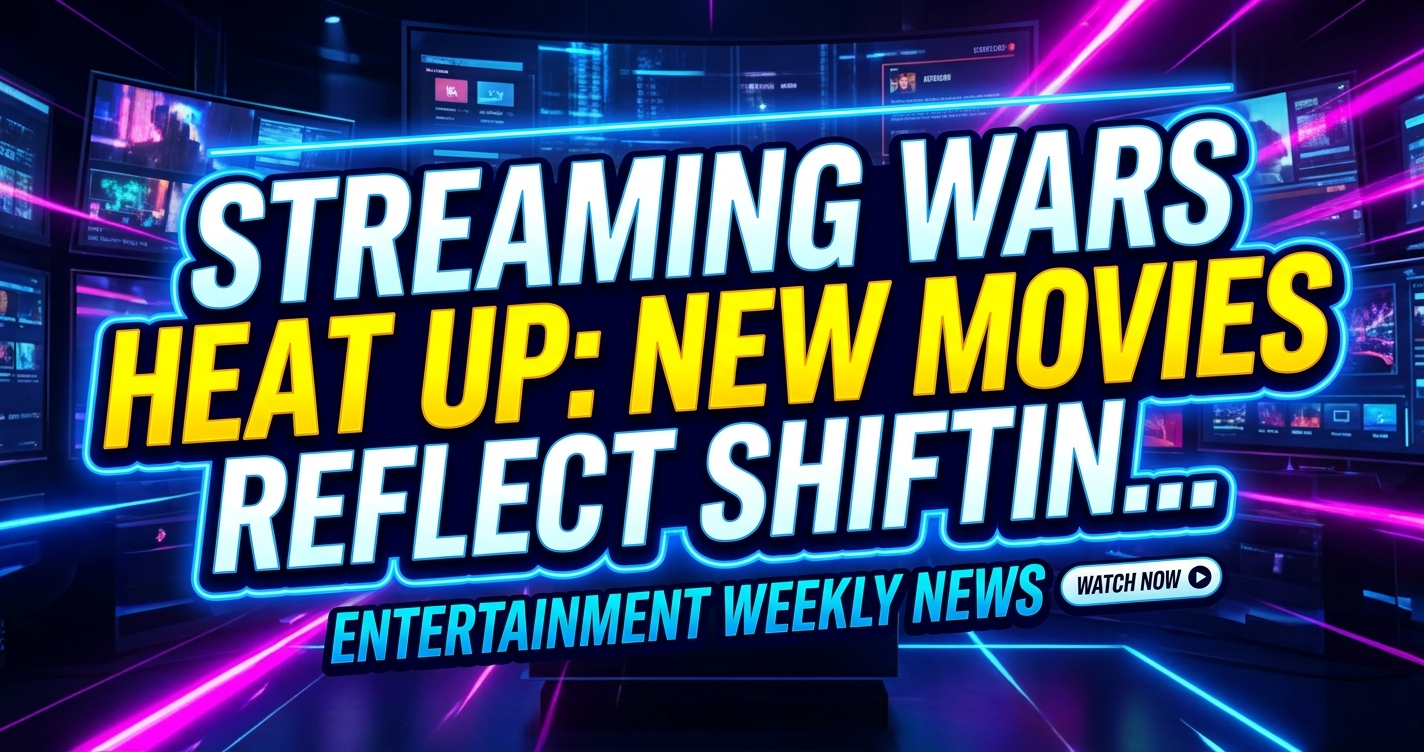
Ah, the weekly refresh. For anyone plugged into the digital entertainment matrix, that familiar feeling of a fresh batch of new movies dropping across Netflix, Hulu, HBO Max, and Prime Video is as routine as your morning coffee. But for us at DailyDrama, it’s more than just a list of recommendations; it’s a living, breathing testament to the ongoing, ever-evolving streaming wars – a battle for your eyeballs, your wallet, and ultimately, your loyalty.
This week, as platforms roll out everything from college comedies to ‘freaky horror flicks’ and even movies embracing ‘prophylactic jokes’ (a telling nod to adult-oriented content), the variety isn’t just about pleasing every demographic. It’s a strategic maneuver, a calculated gamble in a landscape that’s growing increasingly cutthroat. The days of simply having ‘more content’ are long gone. Now, it’s about having the right content, delivered at the right time, to the right audience.
Differentiating in a Crowded Market: Beyond the Blockbuster
For a long time, Netflix led the charge with a ‘something for everyone’ approach, pouring billions into a vast library of originals and licensed titles. They still do, but their competitors have sharpened their swords. HBO Max, for instance, has long leaned into its legacy of prestige television and, more recently, a bold strategy of bringing Warner Bros. theatrical releases directly to the platform, albeit with shifting windows. This move, while controversial with talent and exhibitors, undeniably drove subscriptions and kept the service in the cultural conversation.
Hulu, often seen as the workhorse of the Disney family, continues to leverage its strong ties to network television, offering next-day access to popular series alongside a growing slate of edgy, critically acclaimed originals. It occupies a unique space, blending traditional TV with premium streaming. Prime Video, on the other hand, operates almost as an added perk to Amazon’s Prime membership, yet it consistently delivers high-budget originals and a robust library of licensed films, often excelling in genres like action, sci-fi, and compelling dramas, all while leveraging Amazon’s vast ecosystem for cross-promotion.
The IP Imperative: Franchises and Star Power Reign Supreme
What unites these disparate strategies is the undeniable power of intellectual property (IP) and star power. Industry insiders suggest that in an era of subscriber churn, a known entity – whether a beloved book adaptation, a sequel to a cult classic, or a film starring a bona fide movie star – is often the most reliable way to cut through the noise. This explains the ongoing bidding wars for talent deals and the relentless pursuit of established franchises.
Even the seemingly niche releases mentioned in our source, like those ‘freaky horror flicks’ or ‘college comedies,’ aren’t random. They cater to specific, highly engaged demographics. Netflix has cultivated a strong reputation for horror and true crime, knowing these genres foster dedicated fanbases. Similarly, a well-executed comedy can go viral, driving significant word-of-mouth. It’s about owning a corner of the market, not just occupying space.
The High Stakes of Subscriber Retention and Profitability
The honeymoon phase of streaming, where growth at all costs was the mantra, is over. Wall Street is now demanding profitability, and that means a laser focus on subscriber retention. The weekly movie drops are a vital component of this. They provide fresh content hooks, giving existing subscribers a reason to stay and potential new ones a reason to sign up.
However, the cost of this content deluge is astronomical. Analysts have pointed out that while platforms spend billions, the return on investment for every single title isn’t always clear. This pressure is leading to more strategic commissioning, tougher greenlighting processes, and an increased willingness to pivot to hybrid models, including ad-supported tiers, which are quickly becoming mainstream across nearly all major services.
One veteran studio executive recently mused that the market is maturing, and the focus is shifting from simply adding new subscribers to proving long-term value. This means a careful balancing act between big-budget tentpoles and smaller, more experimental films that can still capture an audience’s imagination.
What’s Next for Your Watchlist (and Wallet)?
So, what does this all mean for the average viewer? More choice, undoubtedly. But also, more complexity. The future of streaming services likely involves a continued push for exclusive content, potentially more strategic bundling options (think Disney+ and Hulu’s existing synergy), and an ongoing battle for talent and established IP. We may also see platforms further specialize, doubling down on specific genres or audience segments where they have a proven track record.
The weekly announcement of new movies isn’t just a guide for your Friday night. It’s a barometer for the health and direction of the entire entertainment industry. As long as platforms are vying for your attention with diverse, compelling content, the consumer ultimately wins. But the strategic dance behind the scenes is far from over. Keep watching – we certainly will.