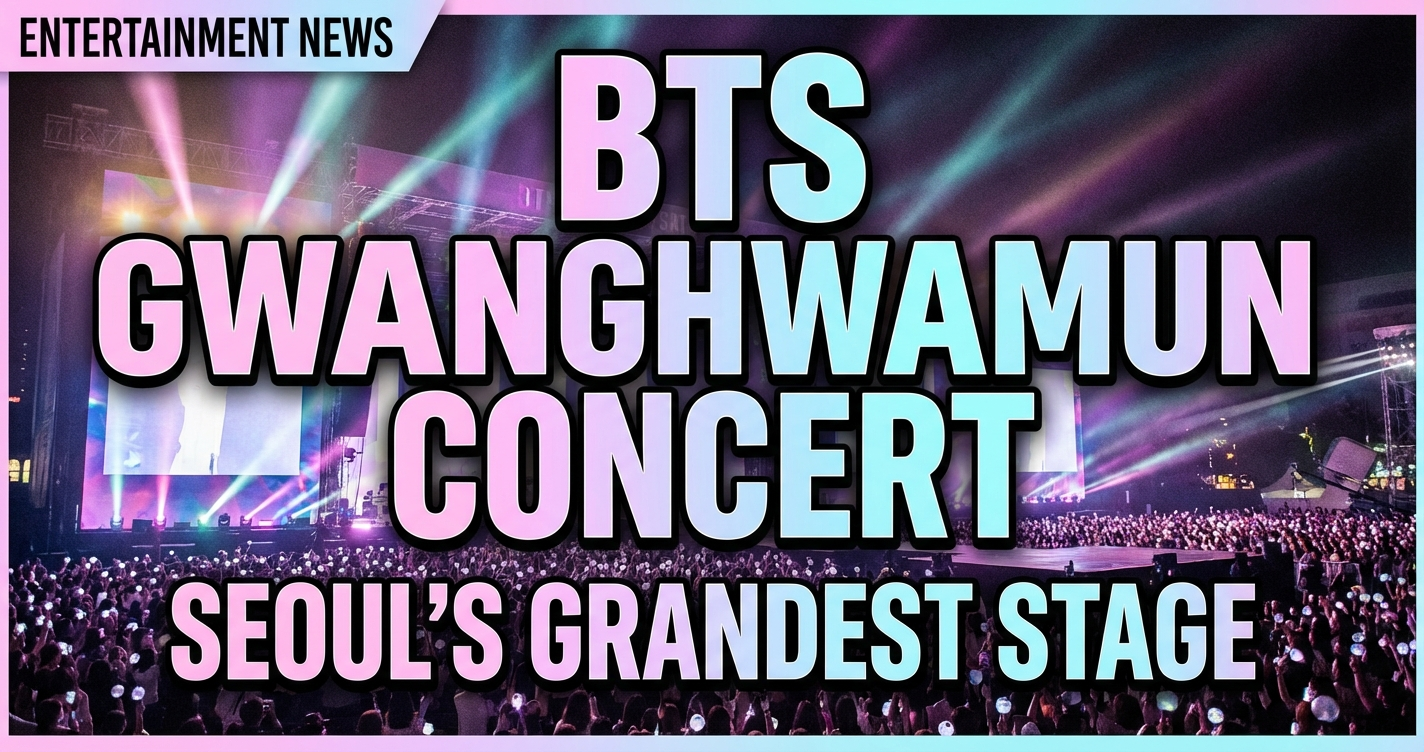
Seoul is buzzing with an almost palpable energy as the highly anticipated BTS comeback concert at Gwanghwamun Square gears up for an unprecedented scale. DailyDrama.com has learned that organizers have expanded capacity, signaling not just immense fan demand, but a strategic move to cement this event as a defining cultural moment for both the global K-pop titans and the city of Seoul itself.
Sources close to the planning committee indicate that the decision to increase available seats came after meticulous safety reviews and a collaborative effort between HYBE (BTS’s agency) and Seoul metropolitan authorities. This isn’t just about fitting more fans; it’s about orchestrating a safe, seamless experience for what is arguably the most anticipated live music event of the year, blending cutting-edge K-pop performance with the gravitas of one of Korea’s most iconic historical landmarks.
The Logistics of a Mega-Event: Safety Meets Spectacle
The challenges of hosting a concert of this magnitude in such a high-profile, historic location are immense. Gwanghwamun Square, a symbolic heart of Seoul, is not a typical concert venue. Its significance requires careful navigation of both heritage preservation and modern event logistics. Industry insiders tell DailyDrama.com that lessons from previous large-scale public gatherings – from the 2002 FIFA World Cup celebrations to recent national commemorations – have been thoroughly integrated into the safety protocols.
The expanded capacity speaks volumes about the confidence in these plans. It suggests a sophisticated crowd management strategy, advanced security measures, and a robust emergency response infrastructure are in place. This isn’t just a concert; it’s a test of Seoul’s capability to host world-class events that draw global attention, setting a new benchmark for urban entertainment planning.
A Cultural Fusion: BTS, Arirang, and Korean Heritage
What truly elevates this Gwanghwamun concert beyond a mere pop spectacle is its deep cultural resonance. The choice of Gwanghwamun, flanked by the majestic Gyeongbokgung Palace and the statue of Admiral Yi Sun-sin, is no accident. It’s a powerful statement, linking BTS – arguably Korea’s greatest cultural export – directly to the nation’s rich history and identity.
This sentiment is amplified by recent developments surrounding BTS member Suga (Agust D). His 33rd birthday earlier this year was marked by a substantial $3.8 million donation and, significantly, teasers for an ‘Arirang’ tour. The traditional Korean folk song ‘Arirang’ is a national treasure, and its potential integration into BTS’s comeback narrative, especially at Gwanghwamun, would be a profound cultural moment. It’s a testament to BTS’s consistent effort to weave Korean culture into their global artistry, a trend we’ve seen in their performances at the UN, their ‘IDOL’ music video with traditional Korean elements, and their ‘MAP OF THE SOUL ON:E’ online concert which featured traditional Korean instrumentation and aesthetics.
This deliberate fusion serves multiple purposes: it educates a global audience about Korean heritage, strengthens BTS’s identity as cultural ambassadors, and fosters immense national pride within South Korea. It’s a masterclass in soft power, demonstrating how K-pop can be a powerful vehicle for cultural exchange.
The Economic ‘BTS Effect’ on Seoul
The economic ramifications of such an event cannot be overstated. The ‘BTS Effect’ is a well-documented phenomenon, driving tourism, boosting local businesses, and generating significant revenue. For Seoul, this concert means an influx of international fans, filling hotels, dining at local restaurants, and exploring the city’s attractions.
Beyond the immediate economic surge, there’s the invaluable branding benefit. Images of BTS performing against the backdrop of Gwanghwamun will be broadcast globally, showcasing Seoul as a vibrant, modern city capable of hosting grand cultural events while respecting its historical roots. This further solidifies South Korea’s position as a global cultural hub, attracting future tourism and investment. It’s a strategic partnership between cultural icons and a forward-thinking city, creating a synergy that benefits all.
What’s Next for BTS and the K-Pop Landscape?
This Gwanghwamun concert marks a pivotal moment for BTS as they transition from individual endeavors and military service back to their full group dynamic. The scale and cultural depth of this comeback indicate a new chapter, one that is likely to be even grander and more deeply rooted in their identity as global artists with profound Korean heritage.
For the broader K-pop industry, this event sets an incredibly high bar. It demonstrates the potential for K-pop to move beyond conventional concert venues and transform entire urban landscapes into stages, engaging with history and culture in unprecedented ways. Other agencies and artists will undoubtedly be watching closely, taking notes on the blend of spectacle, safety, and cultural integration.
As the final preparations unfold, all eyes will be on Gwanghwamun. How seamlessly will the expanded capacity be managed? What new cultural elements will BTS unveil? And what lasting impact will this monumental comeback have on their legacy and the future of global entertainment? One thing is certain: it will be a spectacle to remember, cementing BTS’s status not just as K-pop kings, but as unparalleled cultural architects.