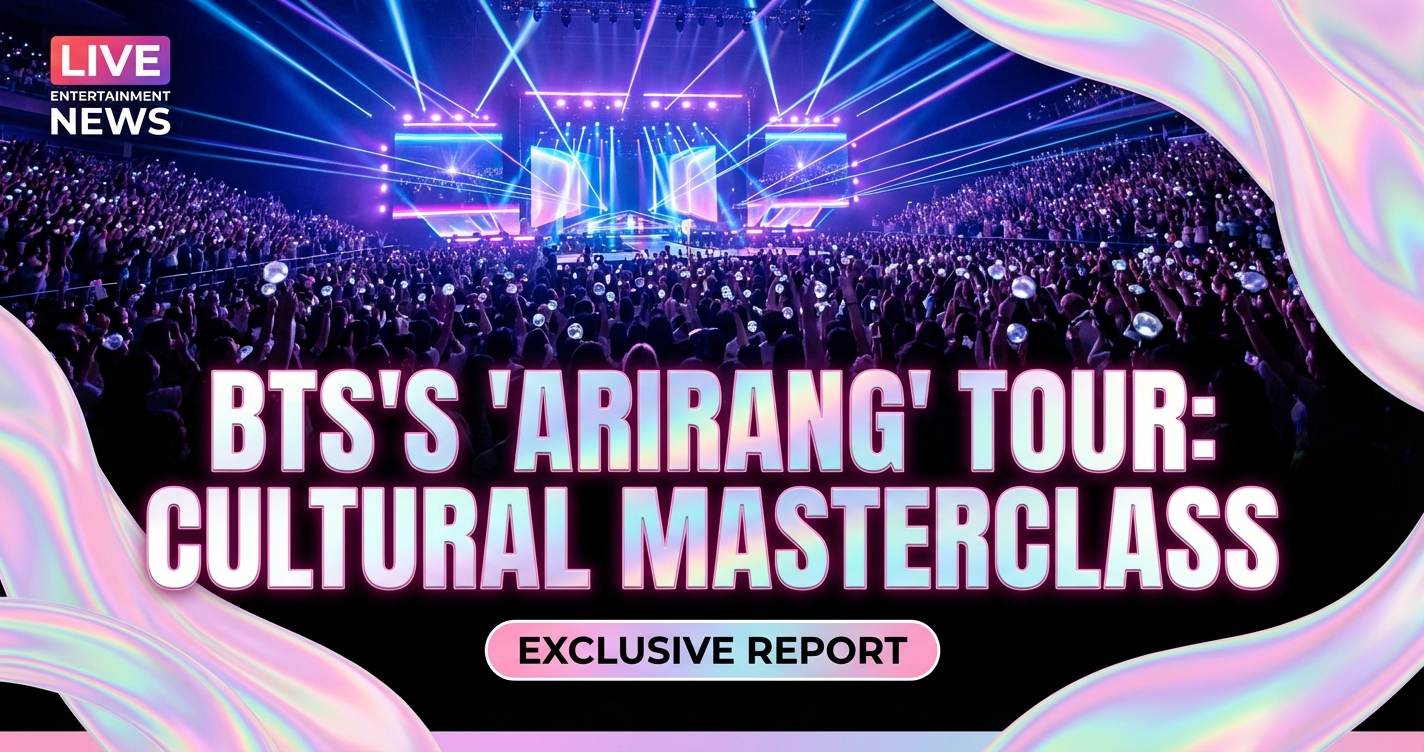
BTS ‘Arirang’ World Tour Kicks Off: More Than a Concert, It’s a Cultural Proclamation
Goyang Stadium, Gyeonggi Province – April 11, 2026. The date itself will likely be etched into the annals of K-Pop history. What unfolded at the grand launch of the BTS World Tour ‘Arirang’ wasn’t merely another stop on a global juggernaut’s itinerary; it was a profound declaration, a meticulously crafted blend of breathtaking spectacle and deep cultural reverence. For a group that has consistently pushed boundaries, this tour opener felt like a new zenith, reminding every single ARMY, and indeed, the wider entertainment industry, why BTS remains peerless.
After years of unprecedented global dominance, solo endeavors that shattered records, and a period of fulfilling national duties that tested the patience of millions, the full septet’s return to the world stage as a unified force was met with an almost palpable energy. And they didn’t just return; they arrived, adorned in the rich tapestry of Korean heritage, holding the iconic folk song ‘Arirang’ as their banner. This wasn’t just a concert; it was an experience designed to resonate on a deeper, more meaningful level.
The ‘Arirang’ Revelation: Bridging Tradition and Global Pop
The choice of ‘Arirang’ as the tour’s namesake is, in a word, genius. For those unfamiliar, ‘Arirang’ isn’t just a song; it’s an intangible cultural heritage of humanity, a melody woven into the very fabric of Korean identity, expressing sorrow, joy, resilience, and hope. To see BTS – a group synonymous with global youth culture and cutting-edge sound – embrace this traditional cornerstone with such conviction speaks volumes about their evolving artistry and their unwavering connection to their roots.
From the moment the opening VCR, steeped in traditional Korean imagery alongside futuristic aesthetics, painted the stadium screens, it was clear this tour was different. Industry insiders have long speculated about how BTS would navigate their post-enlistment era, and HYBE’s strategy appears to be one of bold cultural assertion. “This isn’t just about reclaiming their throne; it’s about redefining what a global pop act can be,” a veteran music critic, who preferred to remain anonymous given the sheer fan intensity, remarked backstage. “They’re taking a piece of Korea, a symbol of its soul, and presenting it on a world stage, not as an exotic curiosity, but as universal art.”
The performance itself was a masterclass in this fusion. Choreography incorporated elements of traditional Korean dance forms, subtly yet powerfully, into their signature sharp, synchronized moves. The stage design, a marvel of engineering and artistic vision, frequently shifted between modern LED marvels and ethereal backdrops reminiscent of ancient Korean landscapes. And the music? While fan favorites and recent hits powered much of the setlist, a stunning reinterpretation of ‘Arirang’ itself, featuring powerful orchestral arrangements alongside modern electronic beats and the members’ emotive vocals, proved to be the night’s undeniable highlight. It wasn’t just a cover; it was a conversation between eras, a bridge built with sound.
A Return to Form, and Beyond: The Power of Seven
The sheer power of BTS performing as seven cannot be overstated. While their solo ventures, from Jungkook’s chart-topping singles to RM’s thought-provoking albums and Suga’s D-DAY tour, have been incredibly successful and artistically fulfilling, there’s an undeniable magic that ignites when all seven members share a stage. The synergy, the shared history, the collective energy – it’s a force that few, if any, other groups can match. Their vocal harmonies were tighter, their stage presence more commanding, and their interactions with ARMYs felt even more heartfelt, a testament to the bond that has only deepened with time and shared experiences.
This concert wasn’t just a celebration of their past hits; it was a powerful statement about their present and a tantalizing glimpse into their future. Tracks from their yet-to-be-announced new album were teased, showcasing a continued evolution of their sound, hinting at a more mature, perhaps even more introspective, lyrical direction that still maintained their signature anthemic quality. It’s clear that HYBE, under the careful guidance of Bang Si-hyuk, is not content to rest on past laurels. They continue to invest heavily in innovative concert production and artistic direction that pushes their flagship group into uncharted territories, cementing their status not just as K-Pop idols, but as global cultural ambassadors.
The Industry Watches: What ‘Arirang’ Means for K-Pop’s Future
The ‘Arirang’ tour opener sends a clear message to the global music industry: BTS isn’t just back; they’re setting new precedents. This deliberate embrace of profound cultural themes, integrated seamlessly into a high-octane pop spectacle, offers a roadmap for other K-Pop acts looking to expand their global reach beyond catchy tunes and polished visuals. It demonstrates that authenticity, deep storytelling, and a strong sense of identity can coexist, and even thrive, alongside mainstream appeal.
The success of this launch will undoubtedly spur other agencies to explore similar cultural integrations, moving beyond superficial nods to a deeper engagement with heritage. It also reinforces the immense pulling power of a fully united BTS, proving that their collective impact remains unparalleled. As the ‘Arirang’ tour now heads across continents, one thing is certain: BTS is not just performing for the world; they are teaching the world about Korea, one electrifying, culturally rich stage at a time.
What to Watch For Next: Keep an eye on the setlist evolution as the tour progresses, any further details on their new album, and the inevitable surge in interest in Korean traditional arts that this ‘Arirang’ tour is bound to ignite. The ripple effects will be felt for years to come.