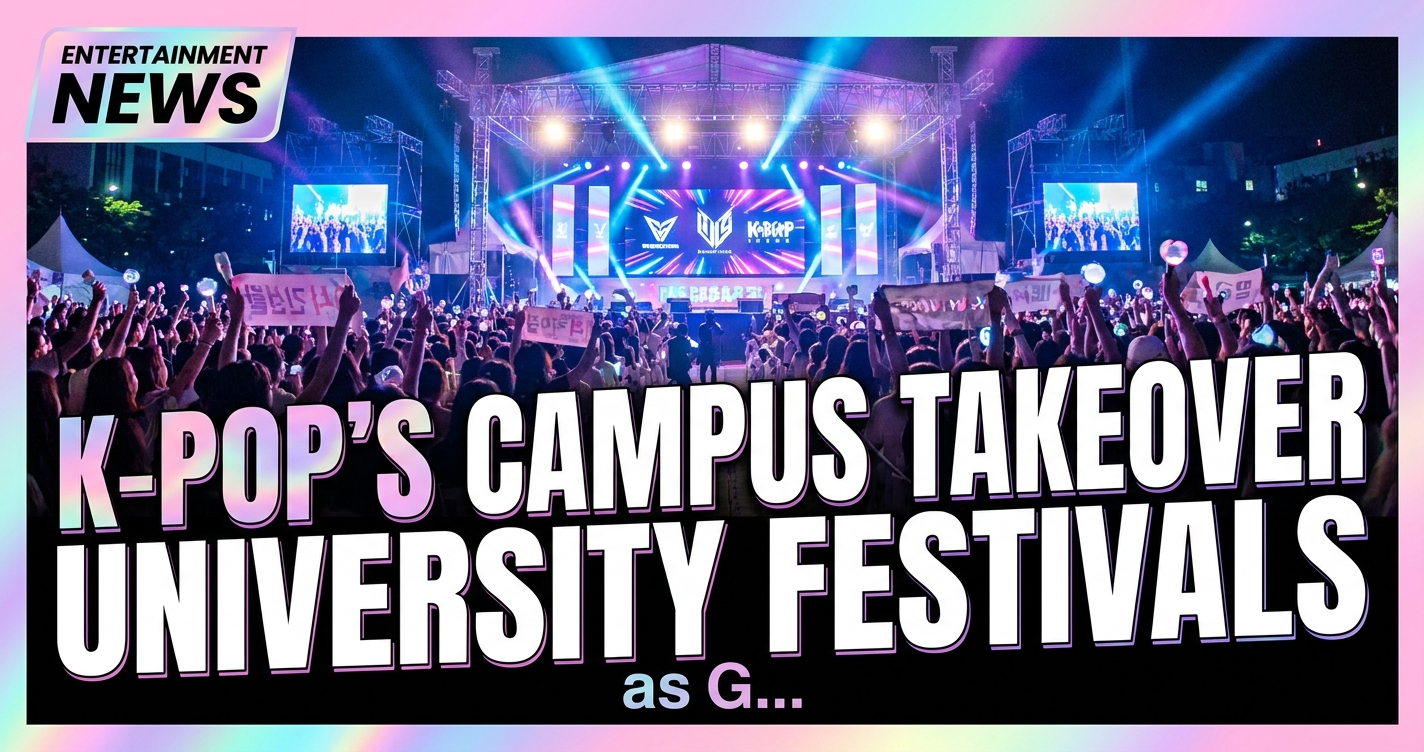
Seoul, South Korea – The scene is electric: thousands of screaming fans, glowing light sticks, and the thumping bass of a chart-topping K-Pop hit. But this isn’t a stadium concert or a music show recording; it’s a university festival. What was once a quaint, student-run event has transformed into a high-stakes battleground for K-Pop’s biggest names, a phenomenon expected to reach new heights by 2026.
For the uninitiated, Korean university festivals have always been a vibrant part of campus life, celebrating youth, culture, and community. Think of them as a blend of a homecoming parade, a talent show, and a mini-music festival, all rolled into one. However, over the last decade, these events have become an indispensable, strategic pit stop for K-Pop idols, evolving from mere performance opportunities into crucial promotional engines for global tours, exclusive merchandise, and fan engagement. DailyDrama.com has been tracking this trend for years, and what we’re seeing now is a full-blown commercial ecosystem.
The Evolution of Campus Stages: From Student Spirit to Global Stardom
Historically, university festivals featured student bands, local talent, and perhaps a comedian or a legacy Korean ballad singer. The shift began subtly, with emerging idol groups taking to these smaller stages to build a grassroots following. Fast forward to today, and securing a spot at a top-tier university festival – think Yonsei, Korea, or Kyung Hee University – is a significant win for any K-Pop agency. These aren’t just any gigs; they’re viral content incubators.
“It’s no longer about simply performing; it’s about making a statement,” explained one veteran entertainment publicist we spoke with, requesting anonymity to speak candidly about agency strategies. “A legendary festival performance can redefine a group’s trajectory, cementing their ‘performer’ reputation and generating millions of views online, far beyond the physical audience.” This sentiment is echoed across the industry, with agencies now actively lobbying universities and even offering incentives to get their acts on these coveted stages. What was once a side gig is now a central pillar of many groups’ promotional cycles, often timed to coincide with new album releases or ahead of major international tours.
The Strategic Playbook: Why Every Festival Appearance is a Calculated Move
The allure of these campus stages extends far beyond immediate performance fees. For K-Pop agencies and their idols, university festivals serve multiple critical functions:
Merchandise & Tour Hype: The Direct-to-Fan Pipeline
One of the most immediate benefits is the opportunity for direct-to-consumer engagement. Festival-exclusive merchandise – limited edition light sticks, photo cards, or apparel – creates a sense of urgency and exclusivity, driving sales directly at the event or through online pre-orders tied to the performance. More importantly, these appearances are powerful pre-tour hype builders. An electrifying festival performance generates immense buzz, leading to increased demand for tickets to upcoming arena tours, both domestically and internationally. Fans who experience the energy live, or vicariously through viral fancams, are far more likely to invest in a full concert experience.
Fandom Deepening & Viral Content: Fueling the Digital Fire
The relatively intimate setting of a university festival, compared to a massive stadium, allows for a different kind of fan interaction. Idols often appear more relaxed, engaging in playful banter and delivering high-energy performances that resonate deeply. This authenticity translates into a goldmine of viral content. Fancams shot by attendees, often from closer vantage points, spread like wildfire across social media platforms like X (formerly Twitter), TikTok, and YouTube. These clips introduce groups to new audiences and solidify loyalty among existing fans, proving that a single, well-captured moment can be worth millions in traditional marketing spend. It’s a testament to the power of organic, fan-generated content in the Hallyu ecosystem.
Brand Building & Exposure: A Win-Win for All
For the idols, these festivals offer a chance to showcase their versatility, connect with a younger demographic, and reinforce their image as dynamic performers. For the universities, hosting a top-tier K-Pop act brings unprecedented visibility, attracting prospective students and enhancing their cultural prestige. It’s a symbiotic relationship where both parties benefit from the massive exposure generated. We’ve seen universities strategically announce their festival lineups months in advance, leveraging the star power to drive their own institutional branding.
Beyond the Hype: The Unseen Impact and Future Trends
While the benefits are clear, the increasing commercialization of university festivals isn’t without its complexities. The competition among agencies to secure prime slots is fierce, sometimes leading to inflated performance fees that strain university budgets. There’s also a subtle shift in the ‘student-centric’ nature of these events, as non-students flock to campuses, sometimes outnumbering the actual student body. However, for now, the overwhelming sentiment remains positive.
As we look towards 2026, expect this trend to intensify. Agencies are likely to experiment with even more innovative ways to leverage these festivals, perhaps incorporating interactive fan zones, pop-up stores, or even live-streamed elements to reach a wider global audience. The lines between a traditional concert and a promotional event will continue to blur, with university festivals serving as vital touchpoints in the meticulously crafted journeys of K-Pop idols.
The campus stage, once a humble platform, has become a dynamic launchpad for global superstardom. It’s a microcosm of the K-Pop industry itself – adaptable, innovative, and relentlessly focused on connecting with fans. What to watch for next? Keep an eye on how these festivals evolve to integrate emerging technologies and new forms of fan interaction, further cementing their role in shaping the next generation of K-Pop icons.