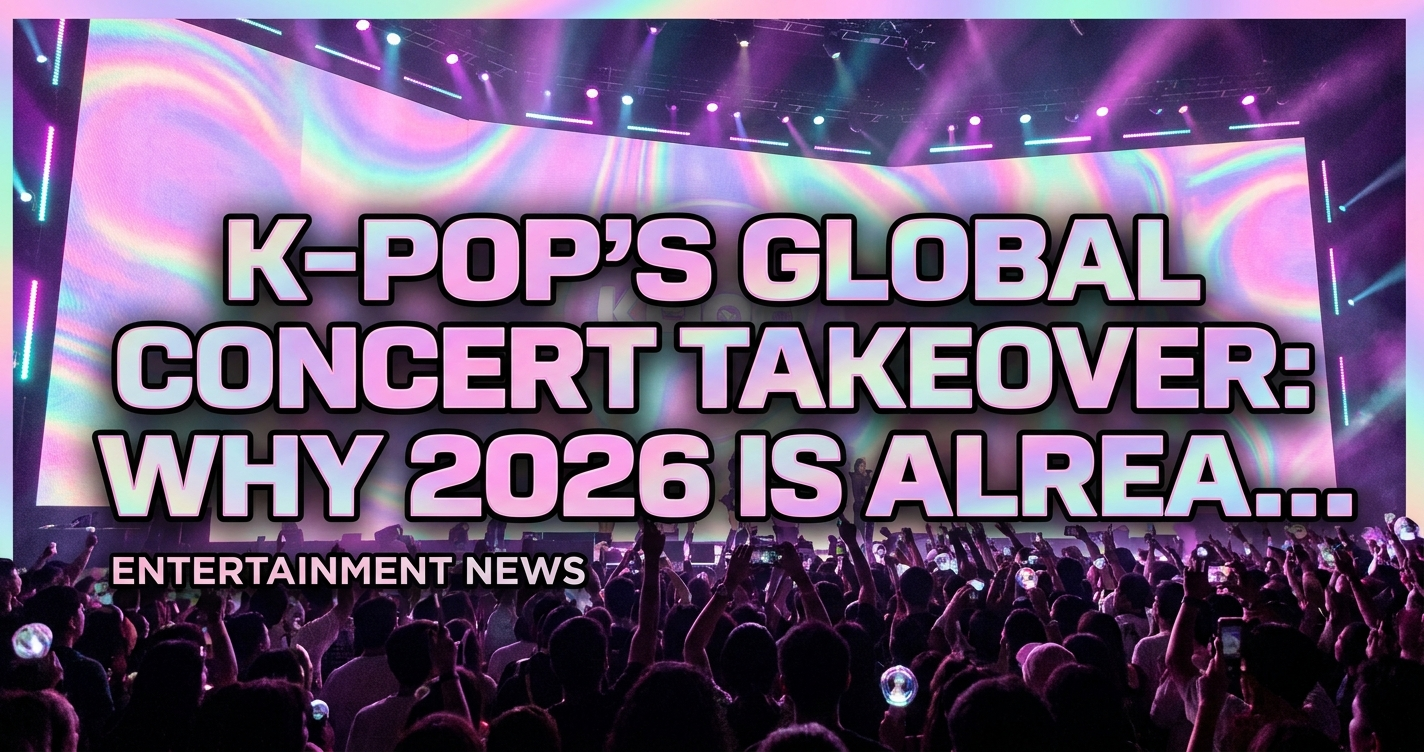
K-Pop’s Global Concert Takeover: Why 2026 is Already Buzzing
It’s barely {current_year}, but the whispers, and indeed the outright shouts, for K-Pop concert dates in 2026 are already echoing through the industry. For anyone paying attention to the seismic shifts in global music, this isn’t surprising. What is remarkable is the sheer scale and forward-planning involved, signaling a mature, dominant force in the entertainment landscape. K-Pop isn’t just popular; it’s a meticulously engineered global phenomenon that’s fundamentally reshaping how tours are conceived, booked, and executed.
Gone are the days when a K-Pop act’s North American or European dates felt like a rare, special treat. Now, they’re an expected, integral part of every major group’s promotional cycle. From the established titans like BTS and BLACKPINK (even in their individual capacities) to the rapidly rising fourth and fifth-generation powerhouses like Stray Kids, TXT, NewJeans, and LE SSERAFIM, the demand for live experiences outside of Asia has exploded. This isn’t merely about selling tickets; it’s about cementing cultural presence, expanding fanbases, and driving significant revenue streams that dwarf previous expectations.
This early booking for 2026 isn’t just optimism; it’s a strategic necessity. Securing prime venues in major markets like Los Angeles, New York, London, and Paris requires locking in dates years in advance, especially for acts that can fill arenas and stadiums. The competition is fierce, not just among K-Pop groups themselves, but against every other major touring artist globally. It’s a testament to K-Pop’s undeniable drawing power that its calendar is filling up so far out.
The Economic Engine Behind the Global Tour Boom
Make no mistake: K-Pop tours are massive economic engines. For the major South Korean entertainment companies – the traditional ‘Big 3’ (SM Entertainment, YG Entertainment, JYP Entertainment) and the behemoth HYBE Corporation – international touring has become a cornerstone of their business models. It’s no longer just about album sales or domestic endorsements; global concerts represent significant revenue from ticket sales, merchandise, sponsorships, and even ancillary travel and tourism for fans.
Industry analysts suggest that for major K-Pop labels, international tours now represent a significant, if not dominant, revenue stream, with one source indicating that a successful world tour can eclipse domestic album sales in terms of pure profit. This financial incentive drives the aggressive expansion. When a group like TWICE or SEVENTEEN announces a world tour, it’s not just an event for fans; it’s a carefully calculated business decision designed to maximize global reach and profitability.
The production values alone for these shows are staggering. We’re talking elaborate stage designs, cutting-edge lighting and video, intricate choreography, and live bands – all requiring substantial investment and a highly skilled global crew. This commitment to spectacle elevates the concert experience, making it a must-see event that justifies premium ticket prices and fuels fan fervor.
Strategic Chessboard: Why 2026 is Already Booking Up
The race for 2026 dates is a fascinating peek into the strategic minds of K-Pop’s power players. It’s a logistical marvel, coordinating schedules for upwards of seven to nine members, often with solo activities or subunit promotions, alongside the immense technical and administrative teams required for a global trek. A veteran promoter, who wished to remain anonymous to discuss ongoing negotiations, described the current K-Pop touring landscape as ‘a high-stakes game of chess,’ where securing prime dates in major arenas often requires committing two years out, sometimes even before a group’s next album cycle is fully planned.
This forward planning also allows for deeper market penetration. Beyond the usual stops in New York and Los Angeles, we’re seeing K-Pop acts increasingly target secondary markets in North America, as well as expanding into Latin America, Australia, and parts of Europe that were once considered niche. Festivals, too, are playing a crucial role, with K-Pop acts headlining major events like Lollapalooza or taking prominent slots at Coachella, serving as powerful marketing vehicles for broader audiences.
The industry is also learning from past challenges. The early days of K-Pop touring saw issues with scalping, confusing ticketing systems, and insufficient venue sizes. Now, companies are working more closely with global ticketing partners and venues to implement fan verification systems, platinum ticketing, and VIP packages that aim to enhance the fan experience while also maximizing revenue. It’s an ongoing battle, but the sophistication has certainly increased.
The Fan Experience: A Double-Edged Sword
For the dedicated K-Pop fan, the prospect of 2026 concerts is both thrilling and daunting. The excitement of seeing their idols live is unparalleled, often involving significant travel and financial investment. Fandoms are incredibly organized, with fan projects and initiatives often enhancing the concert atmosphere, creating a truly unique and communal experience.
However, the global touring boom also brings challenges. The sheer demand often leads to intense ‘ticket wars,’ with fans battling bots and scalpers for access. The rising cost of tickets, coupled with travel and merchandise, can make attending multiple shows an expensive endeavor. There’s a delicate balance to strike between meeting demand and avoiding fan fatigue or alienating segments of the fanbase with unaffordable prices.
The rise of K-Pop conventions and fan meetings, often held in conjunction with tour dates or as standalone events, offers an alternative for fans to engage with their favorite artists. These events provide opportunities for Q&As, games, and even hi-touch events, broadening the scope of fan engagement beyond the traditional concert format.
What’s Next: The Future of K-Pop’s Global Footprint
As we look towards 2026 and beyond, it’s clear that K-Pop’s global touring strategy will continue to evolve. We can expect even more sophisticated data analytics to identify untapped markets, more diverse venue choices (from intimate theaters for solo artists to massive stadiums for supergroups), and potentially new models for fan engagement that blend digital and in-person experiences.
The sustainability of such aggressive touring schedules for artists, many of whom debut at a young age, will also be a key consideration for labels. Prioritizing artist well-being alongside commercial success will be crucial for the long-term health of the industry. One thing is certain: K-Pop is not just a passing trend; it’s a permanent fixture on the global stage, and its impact on the live music industry will only continue to grow.
What to Watch For Next:
- Keep an eye on rookie groups from smaller agencies making their first international forays. Their success will indicate the breadth of K-Pop’s appeal beyond the major players.
- Observe how ticketing platforms adapt to combat scalping and improve the fan purchase experience for high-demand K-Pop events.
- Watch for new regional hubs emerging for K-Pop tours, potentially expanding beyond the traditional North American and European circuits to include more stops in Latin America, Africa, and the Middle East.