BTS Ascends to State Guest Status in Mexico City: A New Era for K-Pop Diplomacy
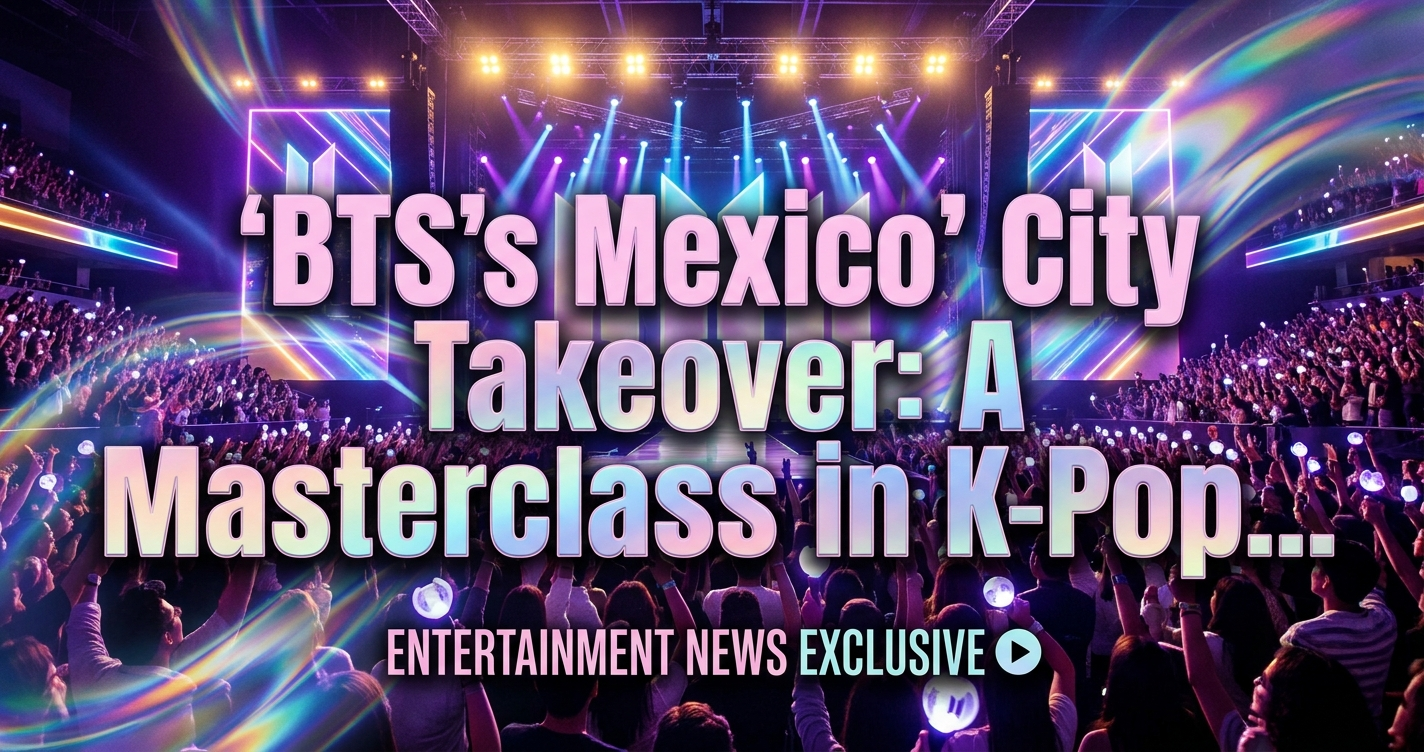
Mexico City has always been a city of grand gestures, but nothing quite prepared the world for the spectacle that unfolded on May 6, 2026. When global phenomenon BTS touched down, it wasn’t just another stop on a world tour. It was a seismic event, culminating in a historic meeting with President Claudia Sheinbaum at the National Palace, a privilege usually reserved for heads of state, not pop stars. The sheer scale of it? An estimated 50,000 fervent fans, the ARMY, transformed the historic Zócalo into a sea of purple, their cheers echoing a monumental shift in cultural influence.
This wasn’t merely a fan meet; it was a diplomatic handshake, a testament to BTS’s unparalleled soft power and the strategic vision of their management. For seasoned observers of the entertainment industry, this visit wasn’t just remarkable—it was a definitive declaration: K-pop, led by BTS, has transcended entertainment to become a formidable force in international relations and economic diplomacy. It signals a new chapter where cultural icons are treated with the gravitas once reserved for political figures, blurring the lines between pop culture and statecraft.
A Cultural Phenomenon Meets Statecraft
The images coming out of Mexico City were striking: a global music group, known for their chart-topping hits and heartfelt lyrics, engaging in high-level discussions with a national leader. Sources close to the Mexican administration suggest the meeting underscored Mexico’s commitment to fostering vibrant cultural ties and acknowledging the immense impact of Hallyu on its youth. This elevated reception is a clear indicator that governments worldwide are recognizing the profound cultural, social, and economic impact of K-pop, and specifically, BTS.
Mexico’s K-Pop Crucible: Why Latin America is Key
The Numbers Don’t Lie: A Market Ripe for Domination
For years, industry insiders have watched Latin America with keen interest, and Mexico has emerged as a veritable powerhouse. It currently ranks as the fifth-largest K-pop market globally, a statistic that speaks volumes about the region’s deep connection to the genre. But within that, BTS’s dominance is almost absolute: they hold an astounding 8 of the top 10 spots for the most-streamed K-pop albums in the country. Even more tellingly, Mexico City itself streams BTS music more than any other city on the planet. This isn’t just fandom; it’s a cultural embrace.
What makes Mexico such a fertile ground? A massive youth demographic, a historical appreciation for vibrant, emotive music, and a strong digital penetration have converged to create an ideal environment for K-pop to flourish. HYBE, BTS’s agency, along with other major K-pop powerhouses, have long understood this potential, strategically investing in localized content, tours, and fan engagement that resonate deeply with Latin American audiences. This visit was the culmination of years of organic growth and strategic cultivation.
Beyond the Beat: BTS as Cultural Ambassadors
Soft Power on Full Display
The “state guest” treatment extended to BTS isn’t a novelty for the group. They’ve addressed the United Nations General Assembly multiple times, participated in White House briefings, and launched global campaigns for self-love and youth empowerment. Their visit to Mexico City slots perfectly into this narrative, elevating them beyond mere entertainers to significant cultural and social influencers. This level of engagement echoes historical precedents, such as The Beatles’ meeting with U.S. presidents during the height of Beatlemania, but with a distinctly 21st-century, digitally amplified reach.
The K-pop industry, often dubbed South Korea’s most successful cultural export, has mastered the art of soft power. BTS, with their consistent messages of hope, resilience, and connection, embody this perfectly. Their appeal transcends language barriers, driven by authentic artistry, sophisticated production, and a genuine connection with their global fanbase. This visit solidifies their role as de facto cultural diplomats, paving the way for deeper bilateral cultural and economic exchanges between South Korea and nations like Mexico.
The Business of Influence: A Two-Way Street
Economic Impact and Future Trends
The economic ripple effect of such a high-profile visit is substantial. Beyond concert revenues and merchandise sales, there’s a significant boost to tourism, local businesses, and even increased interest in Korean culture, language, and products. Mexico benefits from its association with a global brand, enhancing its image as a vibrant cultural hub, while BTS and HYBE further cement their market leadership in a crucial region.
This event isn’t an anomaly; it’s a blueprint. We’ve seen other K-pop groups like BLACKPINK engage in similar high-profile initiatives, from addressing climate change at the UN to becoming ambassadors for global luxury brands. The trend is clear: K-pop acts are increasingly being recognized and utilized for their immense influence, not just in entertainment but also in social advocacy, economic development, and international relations. Expect to see more strategic engagements of this kind as agencies like HYBE continue to diversify and expand their global footprints.
What to Watch For Next
BTS’s Mexico City visit has set a new benchmark for global entertainment and cultural diplomacy. As the members continue their individual projects and look towards future group activities, their status as global cultural ambassadors is undeniable. The industry will be closely watching how this precedent influences the strategies of other K-pop groups and how governments worldwide continue to harness the power of popular culture for diplomatic gains. The future of global soft power, it seems, will have a distinct K-pop beat.