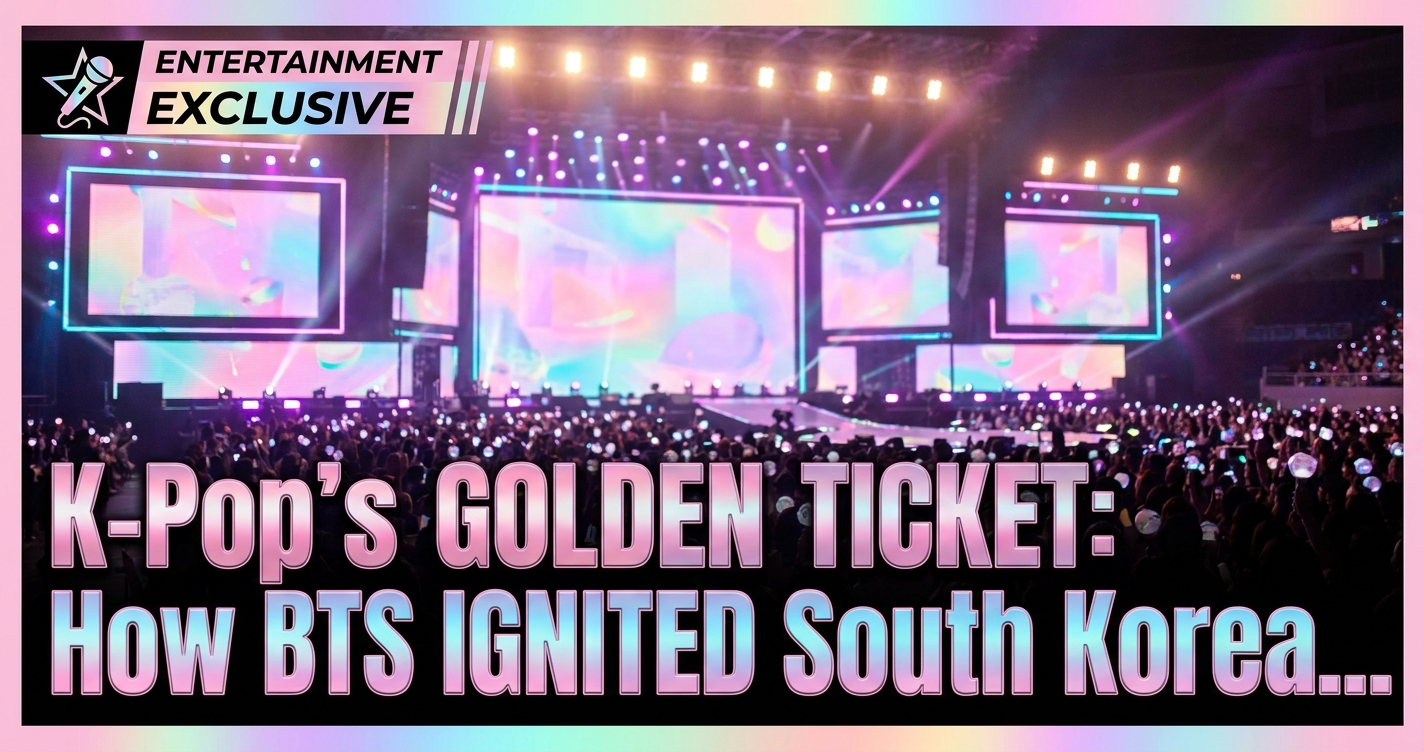
K-Pop’s Golden Ticket: How BTS Ignited South Korea’s Tourism Surge
Seoul is buzzing, and it’s not just the usual metropolitan hum. A seismic shift has occurred, a direct result of the most potent force in global entertainment: BTS. The recent activities surrounding the K-Pop titans have sent shockwaves far beyond the music charts, directly translating into a historic surge in international tourism for South Korea. DailyDrama.com has its finger on the pulse, and frankly, we’re not surprised. This isn’t just a comeback; it’s a masterclass in soft power and the undeniable economic might of a dedicated global fandom.
For years, industry insiders have watched as Hallyu – the Korean Wave – transformed from a regional curiosity into a global phenomenon. But with BTS, we’ve entered an entirely new echelon. The return of members from solo projects and military service, coupled with tantalizing hints of future group activities, has acted as a powerful magnet, drawing millions of fans (affectionately known as ARMY) to the very source of their obsession. March alone saw unprecedented numbers of international travelers, pushing South Korea into a historic tourism surplus, largely thanks to the purple wave.
The BTS Effect: Beyond the Music, Into the Streets
What exactly drives this pilgrimage? It’s far more nuanced than just concert attendance. While major tours undoubtedly fill arenas and hotels, the ‘BTS Effect’ is a continuous, year-round phenomenon. Fans aren’t just seeking a glimpse of their idols; they’re seeking an immersion into the culture that birthed them. This translates into pilgrimages to filming locations from their music videos and reality shows, visits to restaurants the members have frequented, pop-up stores selling exclusive merchandise, and even themed cafes designed to celebrate the group’s legacy.
This ‘fandom tourism’ is a significant, growing segment of the global travel market, and BTS has perfected it. Analysts have long pointed to the group’s authentic connection with their fanbase as a key differentiator. When fans travel to Korea, they’re not just tourists; they’re cultural ambassadors, engaging deeply with local businesses, learning Korean phrases, and even participating in community events related to the group. It’s an experience economy on steroids, where the product isn’t just music, but a lifestyle, a community, and a journey.
A Calculated Strategy? The K-Pop Machine and Soft Power
While the organic passion of ARMY is undeniable, this level of impact doesn’t happen by accident. It’s the culmination of decades of strategic investment in cultural exports by the South Korean government and the shrewd business acumen of entertainment powerhouses like HYBE (BTS’s agency). From the early days of Hallyu 1.0 with dramas like ‘Winter Sonata’ to the global pop explosion of Girls’ Generation and PSY, Korea has systematically cultivated its creative industries, understanding their immense potential as a form of ‘soft power.’
Government agencies, particularly the Korea Tourism Organization (KTO), have been quick to capitalize on this. They’ve partnered with K-Pop groups, developed themed travel packages, and actively promoted Korea as the birthplace of this global cultural phenomenon. As one tourism official recently noted (paraphrasing a public statement), “K-Pop stars, especially BTS, are our most effective ambassadors, creating a desire to experience Korea firsthand that no traditional advertising campaign could ever achieve.” This synergy between pop culture and national branding is a testament to a long-term vision that is now paying unprecedented dividends.
The Economic Ripple: More Than Just Hotels
The economic impact of this BTS-driven tourism boom extends far beyond the hospitality sector. Local businesses, from street food vendors in Myeongdong to high-end fashion boutiques in Gangnam, are feeling the ripple effect. Retail sales, transportation services, cultural institutions, and even language schools are experiencing increased demand. It’s a holistic economic injection that benefits a wide array of industries, showcasing the interconnectedness of entertainment, culture, and national prosperity.
Consider the sheer volume of merchandise sales, both official and unofficial, that accompany such a surge. Every fan arriving in Korea is a potential customer, eager to take a piece of their experience home. This ‘experience economy’ is incredibly lucrative, fostering innovation in souvenir production, themed culinary experiences, and interactive fan events. It’s a vibrant ecosystem that thrives on continuous engagement and the deep emotional connection fans have with their idols.
Looking Ahead: The Future of Fandom Tourism
The question now isn’t if K-Pop can drive tourism, but how sustainably and effectively it can be managed. As other groups like Stray Kids, TXT, and NewJeans continue to expand their global reach, will we see similar, albeit perhaps smaller-scale, tourism surges? The blueprint laid by BTS is clear, but replicating their unique global appeal and the sheer size of ARMY is a monumental task.
Infrastructure development, managing crowd control, and ensuring an authentic, positive experience for both fans and locals will be crucial. The challenge for South Korea and other nations looking to leverage similar cultural exports will be to balance the economic benefits with the need for sustainable growth and cultural preservation. For now, however, the purple wave shows no signs of receding, cementing BTS’s legacy not just as musical icons, but as unparalleled economic powerhouses.
What to watch for next: Keep an eye on how other major K-Pop agencies and the Korean government adapt their strategies to further harness this ‘fandom tourism’ phenomenon. Will we see more dedicated K-Pop themed districts, enhanced travel packages, or even specific infrastructure built to cater to the ever-growing global ARMY? The game has changed, and the entertainment industry is now firmly intertwined with national economic strategy.