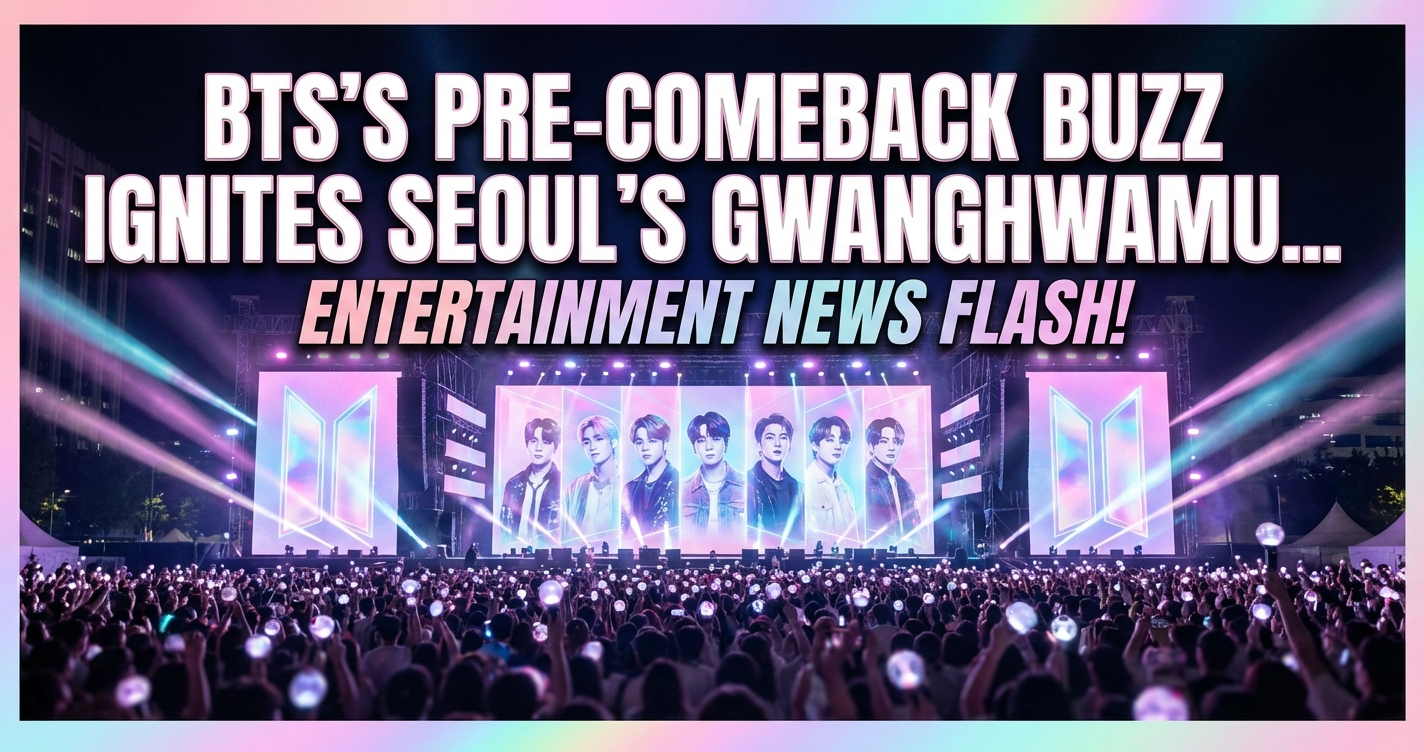
BTS’s Gwanghwamun Phenomenon: Pre-Comeback Buzz Turns Landmark into Fan Pilgrimage
Seoul’s iconic Gwanghwamun Square, a historic landmark synonymous with Korea’s rich heritage, is currently experiencing an unusual surge in foot traffic, and the culprit isn’t a new historical exhibit or government event. It’s the palpable, electric anticipation surrounding a potential BTS comeback. DailyDrama.com has learned from local observers and industry insiders that the mere whisper of the global phenomenon’s return is already transforming the square into an unofficial pilgrimage site for ARMYs worldwide, showcasing the group’s unparalleled power to generate economic and cultural buzz long before any official announcement.
Locals and shop owners around Gwanghwamun have reportedly noticed a significant uptick in international visitors, many of whom are identifiable as BTS fans – clutching light sticks, wearing fan merchandise, and eagerly seeking out spots with a rumored connection to the septet. While no specific event has been announced for the location, Gwanghwamun holds symbolic significance for BTS, having been the backdrop for their electrifying performance of “IDOL” on The Tonight Show Starring Jimmy Fallon and a prominent site for projections during the *Yet To Come* in Busan concert. This organic, fan-driven tourism underscores just how deeply BTS is interwoven with South Korea’s modern cultural identity.
The Unparalleled Economic & Cultural Leverage of K-Pop’s Biggest Act
This pre-comeback buzz at Gwanghwamun is more than just a fleeting trend; it’s a powerful illustration of BTS’s unique economic and cultural leverage. Unlike typical celebrity-driven tourism, which often follows a specific event or filming location, this phenomenon is driven purely by anticipation and historical fan connections. It speaks volumes about the depth of their global fandom, ARMY, and their willingness to engage with the group’s narrative on a profoundly personal level, even if it means traveling halfway across the world on a hunch.
Industry analysts have long documented BTS’s significant contribution to the South Korean economy. From direct revenue through music and merchandise to indirect effects on tourism, brand partnerships, and even the national image, their impact is monumental. Reports have previously estimated their annual economic contribution to be in the billions, with a single concert or album release capable of generating hundreds of millions. This Gwanghwamun situation offers a stark reminder that their influence extends far beyond official releases, creating a sustained, year-round ripple effect across various sectors.
Hallyu’s Evolution: BTS at the Apex of South Korea’s Soft Power
The Korean Wave, or Hallyu, has evolved dramatically over the decades, from the early success of K-Dramas and first-generation K-Pop groups to the global domination we see today. BTS didn’t just ride this wave; they fundamentally reshaped it, breaking down seemingly impenetrable barriers in Western markets and establishing a new paradigm for global music success. Their journey, marked by genuine artistry, profound lyrical themes, and an authentic connection with fans, propelled K-Pop from a niche genre to a mainstream cultural force.
While groups like BLACKPINK, Stray Kids, and NewJeans continue to expand K-Pop’s global footprint, BTS remains the undisputed trailblazer. Their ability to magnetize international visitors to a historical site like Gwanghwamun, based on mere speculation, is a testament to their status as arguably the most impactful cultural export in modern South Korean history. This isn’t just about music anymore; it’s about nation branding, cultural diplomacy, and the sheer power of a global fandom.
What This Means for the K-Pop Industry and Beyond
For the broader K-Pop industry, the Gwanghwamun phenomenon sets an unprecedented benchmark for pre-release engagement and organic marketing. While most agencies pour millions into elaborate comeback teasers and promotional campaigns, BTS demonstrates that their inherent star power and the loyalty of their fanbase can generate invaluable buzz without a single official photo or track list. It’s a masterclass in fostering a community so devoted that they actively seek out and amplify even the smallest hints of new content.
Furthermore, this situation highlights the increasingly blurred lines between entertainment, tourism, and national identity. As South Korea continues to leverage its cultural exports, understanding and nurturing phenomena like the ‘Gwanghwamun Effect’ will be crucial. It’s not just about selling albums; it’s about selling an experience, a culture, and a destination.
So, while the world eagerly awaits concrete details about BTS’s next chapter, the bustling crowds at Gwanghwamun serve as a powerful, living testament to their enduring influence. It’s a sneak peek into the economic magnitude and cultural fervor that will undoubtedly accompany their official return. DailyDrama.com will be watching closely as this story unfolds, ready to report on every beat of BTS’s highly anticipated comeback.