The Streaming Deluge: Finding Gold in a Sea of Content
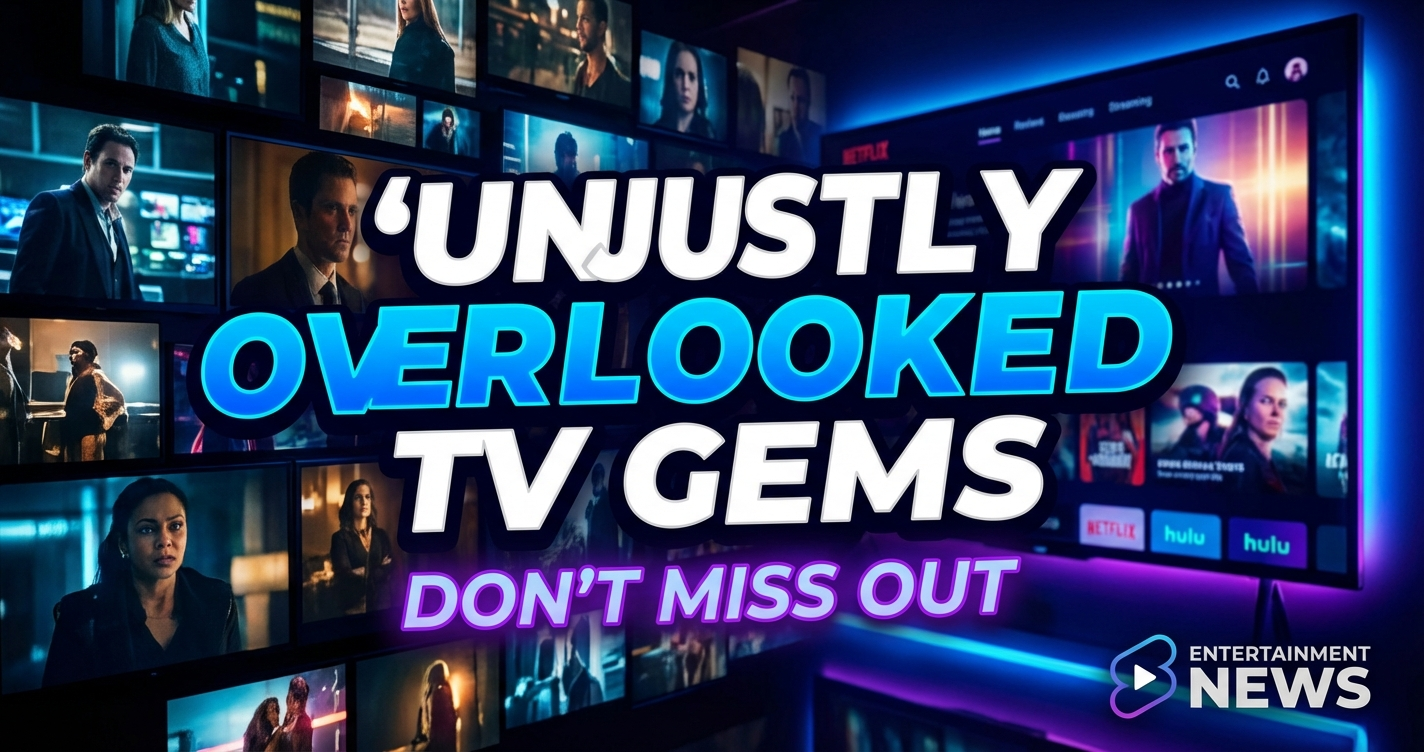
As we navigate the increasingly crowded waters of what’s affectionately (or perhaps exasperatedly) known as Peak TV, it’s becoming an Olympic sport just to keep up. Every network, every streamer, every production house is vying for your eyeballs, throwing an unprecedented volume of content into the ether. The result? Truly exceptional series, often without the multi-million dollar marketing blitz of a major tentpole, are getting lost in the shuffle. Here at DailyDrama, we’ve been sifting through the noise, tapping our industry sources, and burning the midnight oil to highlight the shows that, by all accounts, you absolutely should have watched in early 2026, but probably, regrettably, missed.
The Night Manager: Global Ops (Prime Video)
When news broke that John le Carré’s iconic world would expand with The Night Manager: Global Ops, expectations were sky-high. The original limited series, starring Tom Hiddleston and Hugh Laurie, was a critical and commercial darling, a masterclass in espionage thriller filmmaking. So, how did its much-anticipated follow-up, picking up years later with a new, equally compelling cast and a globe-trotting narrative, fly under so many radars? Insider whispers suggest Prime Video, already awash in high-profile releases, opted for a more subdued, ‘word-of-mouth’ launch, perhaps betting on the original’s legacy to do the heavy lifting. While critics universally praised the intricate plotting and stellar performances, particularly from newcomer Anya Sharma as a tenacious MI6 handler, it never quite achieved the watercooler buzz of its predecessor. It’s a shame, because this season delivers the same nail-biting tension and moral ambiguity that made the first so captivating. It’s a subtle slow-burn that rewards patience, a rarity in today’s binge-culture.
DTF St. Louis (FX on Hulu)
From the minds behind some of the most lauded indie films of the last decade, DTF St. Louis promised a gritty, unflinching look at urban life, addiction, and community in the American heartland. And it delivered. This eight-episode drama, spearheaded by showrunner Maya ‘MJ’ Jones (whose previous work on the acclaimed indie film Concrete Jungle earned her an Oscar nod), eschewed traditional Hollywood glamor for raw authenticity. Its ensemble cast, many fresh faces discovered through local theater circuits, brought a visceral truth to their roles that was simply mesmerizing. One network executive, speaking on background, admitted the show’s title might have been a bit of a marketing hurdle for some, but stressed its artistic merit was undeniable. Yet, despite glowing reviews and a passionate cult following, the series struggled to break through the noise of more overtly commercial offerings on Hulu. It’s a testament to FX’s commitment to prestige, creator-driven content, but also a stark reminder of how challenging it is for even critically adored, smaller-scale dramas to find a mass audience amidst superhero sagas and fantasy epics.
The Chronos Paradox (Apple TV+)
Apple TV+ has built a reputation for high-concept, visually stunning sci-fi, and The Chronos Paradox certainly fits the bill. This ambitious series, exploring the ramifications of a fractured timeline and the ethical dilemmas of temporal manipulation, boasted a budget that rivaled many blockbusters. Directed by visionary auteur Lena Thorne (known for her mind-bending film Echo Chamber), it was a cerebral feast for genre fans, packed with intricate puzzles and profound philosophical questions. However, coming off the heels of several other major sci-fi releases on the platform, and with its complex narrative requiring significant audience investment, it seems The Chronos Paradox was simply too dense for the casual viewer. While its loyalists championed its intellectual depth and stunning practical effects, it couldn’t quite capture the broad appeal needed to become a mainstream hit. It’s a thoughtful exploration of time and fate, perhaps a bit ahead of its time for the current viewing landscape, but absolutely worth the intellectual workout.
Why Good Shows Get Lost: The Peak TV Conundrum
So, why do these stellar series, each critically acclaimed and creatively ambitious, fail to capture the broader public imagination? The answers are multi-faceted, reflecting the current state of the industry. Firstly, platform saturation means even a top-tier show can be one of dozens launching in a given month. Secondly, marketing fatigue sets in; streamers often pour their biggest ad budgets into proven IP or major celebrity vehicles, leaving smaller, though equally deserving, projects to fend for themselves. Thirdly, the fragmentation of audience attention means word-of-mouth, while powerful, takes longer to build momentum in an era of endless scrolling. As one veteran producer recently put it, "It’s not enough to be good anymore; you have to be *unmissable*, and that often means being loud, not just brilliant." This sentiment rings true, highlighting the dilemma facing many showrunners and creatives today: how to make meaningful art in a marketplace that prioritizes algorithmic visibility.
What to Watch For Next
The good news is that truly great television often finds its audience eventually, whether through awards recognition, a second life on another platform, or the sheer persistence of critics and fans. Keep an eye on these titles as they might experience a resurgence in conversation, particularly as awards season heats up later in the year. The struggle for visibility is real, but as these shows prove, the quality of storytelling remains incredibly high. Don’t let the algorithm dictate your viewing habits; sometimes the best gems require a little digging.