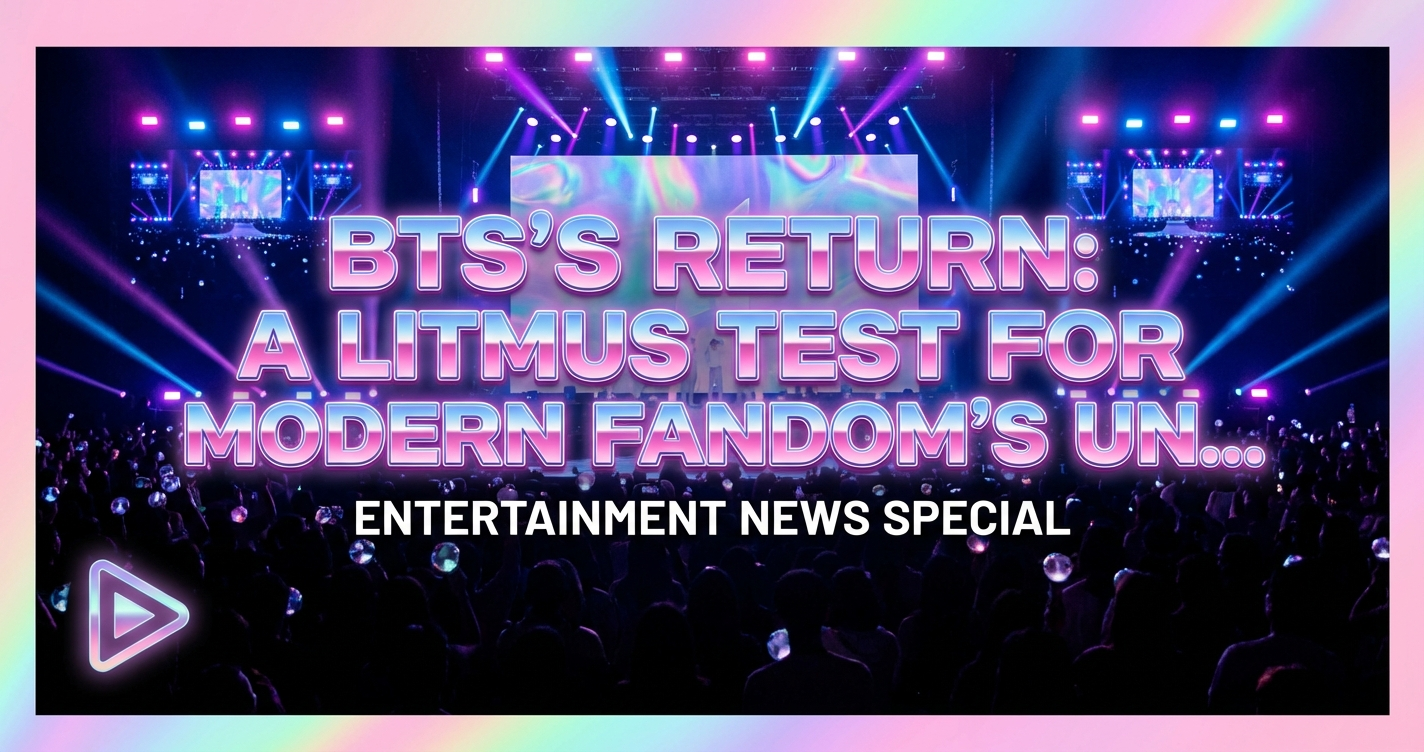
The Kings Are Back: But the Real Story is the Empire They Built
It’s the news that has sent ripples of excitement, anticipation, and not a little trepidation through the global entertainment industry: BTS is officially returning. After a strategic, though sometimes agonizing, period of solo projects and fulfilling South Korea’s mandatory military service, the septet is poised to reunite. But let’s be clear, this isn’t just another boy band comeback. This is the return of a cultural phenomenon, and more importantly, a profound recalibration of what it means to be a fan in the 21st century. The real headline isn’t just about the seven members; it’s about the millions-strong, fiercely loyal, and incredibly organized force known as Army.
For years, industry insiders have whispered about the unparalleled power of BTS’s fandom. While K-pop has always cultivated highly engaged fanbases, Army took it to an entirely new level, transcending geographical and linguistic barriers to become a global movement. Their influence isn’t merely about buying albums or streaming tracks; it’s about coordinated philanthropic efforts, social media mobilization that can shift narratives, and an economic impact that makes even veteran executives sit up and take notice. The hiatus wasn’t a true break, but a masterclass in maintaining individual relevance while stoking collective anticipation. Each solo project, from Jungkook’s chart-topping ‘Golden’ to RM’s introspective ‘Indigo’, served as a reminder of the group’s multifaceted talent, ensuring the flame never dimmed.
The Unprecedented Pause: A Strategic Masterstroke
When BTS announced their “temporary hiatus” in 2022, many in the industry, particularly those unfamiliar with K-pop’s unique ecosystem, saw it as a risky gamble. Could a group maintain its colossal global appeal while its members pursued individual ventures and fulfilled military duties? The answer, unequivocally, has been yes. This wasn’t a stumble; it was a sophisticated long-game strategy orchestrated by HYBE (formerly Big Hit Entertainment) and the members themselves. By allowing each artist to explore their individual musical identities, they not only diversified their artistic portfolio but also reinforced the strength and depth of the group’s collective talent.
This period also served to further empower Army. Without the constant stream of group content, fans often found new ways to engage, supporting individual members’ endeavors with the same fervor they dedicated to the group. It fostered a deeper, more nuanced appreciation for each member, ensuring that the reunion isn’t just a comeback, but a convergence of seven evolved artists, each bringing fresh experiences and sounds back to the collective. It’s a testament to the strong foundation of trust and mutual respect built over years.
Army: A Global Force Beyond Fandom
To call Army merely a fan club is to drastically underestimate its scope and influence. They are a decentralized, highly effective global organization capable of mobilizing resources on a scale rarely seen in entertainment. From funding charitable initiatives in the name of BTS to actively countering negative press, their proactive engagement has reshaped the traditional fan-artist dynamic. Industry analysts have often remarked that Army doesn’t just consume content; they actively participate in shaping the BTS narrative and brand.
We’ve seen similar, though often less organized, power from fandoms like Swifties or the Beyhive. But K-pop, and specifically BTS, provided a unique infrastructure – through platforms like Weverse, meticulously planned comeback schedules, and deeply personal content – that allowed Army to coalesce into something more akin to a social movement. Their ability to trend hashtags, dominate streaming charts, and even influence award show outcomes serves as a powerful reminder that in the digital age, audience engagement isn’t just a metric; it’s currency.
The Blueprint: Redefining Engagement for the Modern Age
BTS and HYBE didn’t just stumble into this phenomenon; they meticulously cultivated it. From the early days, they fostered a sense of genuine connection, authenticity, and shared journey with their fans. This wasn’t about manufactured hype; it was about vulnerability, shared growth, and a narrative that resonated deeply with millions. This blueprint, which prioritizes authentic connection over fleeting trends, is now being studied and, often unsuccessfully, attempted by labels across the globe.
Many within the music industry cite BTS’s success as a paradigm shift. It proved that a non-English speaking act could not only break into but dominate Western markets without compromising their identity. This was achieved not through aggressive marketing alone, but through the organic, passionate advocacy of a fandom that felt truly invested. Their success opened doors for other K-pop groups and demonstrated the immense power of digital-native, globally connected fan communities.
What’s Next for the Kings of K-Pop and Their Loyal Subjects?
The collective return of BTS marks a pivotal moment. The landscape they re-enter is one they largely shaped, but it’s also more competitive than ever. Can the magic be fully recaptured? Will Army’s fervor remain at peak levels after a period of individual focus? All signs point to a resounding yes. The anticipation is palpable, and the foundations of their relationship with Army are stronger than ever. Their return isn’t just about new music; it’s a statement about enduring global influence, the power of authentic connection, and the undeniable force of modern fandom.
What to watch for next: Keep an eye on the immediate impact on streaming charts and social media upon their first collective release. Beyond that, the key will be how HYBE leverages the reunited group’s power to further expand their universe and cement BTS’s legacy as one of the most influential acts of all time.