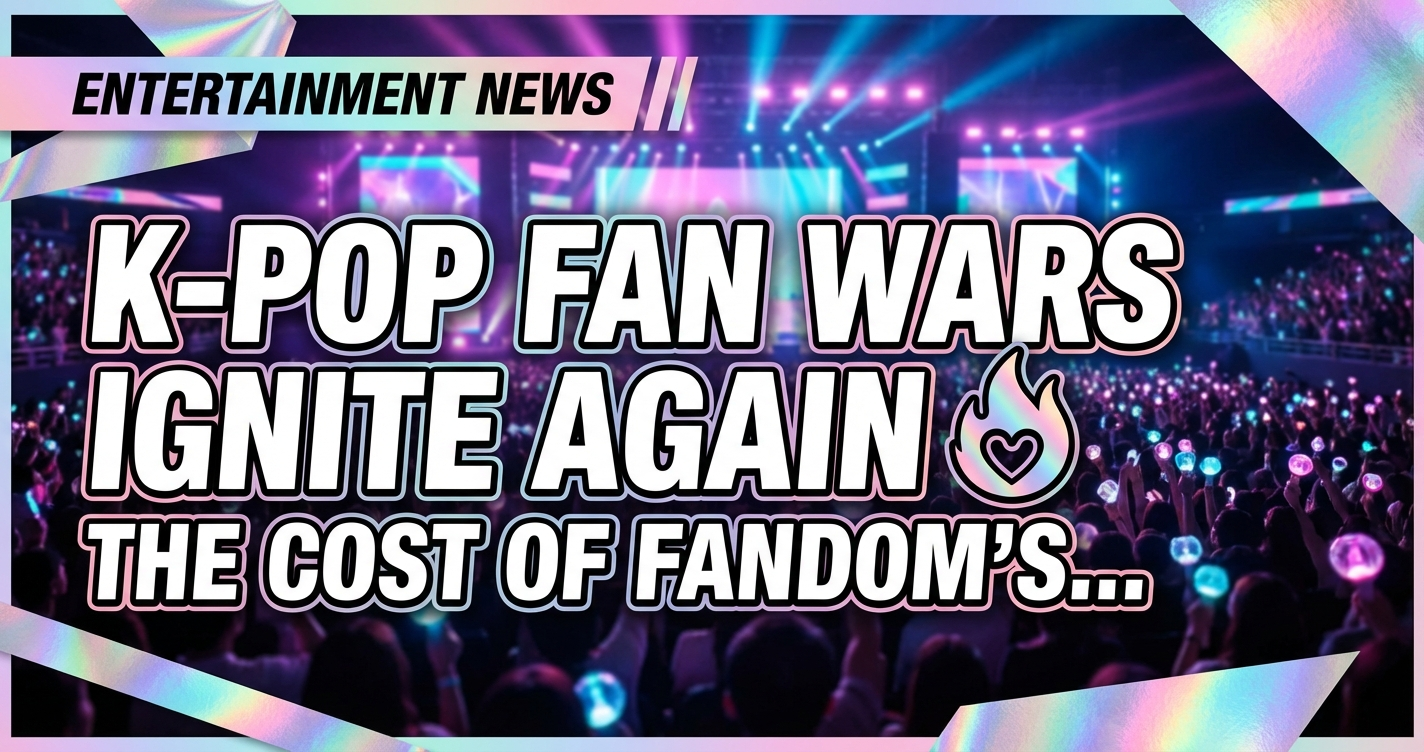
Another week, another K-pop fan skirmish dominating social media. This time, the battleground was an X (formerly Twitter) Space, where alleged fans of global phenomenon BLACKPINK reportedly targeted rival juggernaut BTS with a barrage of harmful remarks. While the specifics of the conversation remain shrouded in the murky depths of online anonymity, the outcry was immediate and fierce, once again pulling back the curtain on the volatile underbelly of K-pop fandom.
For those of us who’ve watched the K-pop industry explode onto the global stage, these incidents are unfortunately not new. They are a recurring, often ugly, symptom of an ecosystem built on intense loyalty, unprecedented digital access, and an alarming lack of accountability for online behavior. What started as a platform for connection and shared passion has, for some, devolved into a digital arena for vitriol and targeted harassment.
The Digital Battleground: Where Fandom Turns Toxic
The recent X Space controversy is a stark reminder of how quickly online platforms can transform from community hubs into hostile territories. In an environment where anonymity often emboldens individuals, the line between passionate fan and malicious detractor blurs. For groups like BTS and BLACKPINK, who command arguably the largest and most dedicated global fanbases, the stakes are incredibly high.
Industry insiders frequently lament the double-edged sword of social media. On one hand, it has been instrumental in K-pop’s global expansion, allowing idols to connect directly with fans and fostering a sense of collective identity. On the other, it provides fertile ground for anti-fans and extremists to spread misinformation, engage in cyberbullying, and launch coordinated attacks. The alleged targeting of BTS members in this recent X Space incident is a prime example of how quickly online discussion can spiral into something far more sinister.
Sources close to agencies like HYBE (home to BTS) and YG Entertainment (BLACKPINK’s agency) often find themselves walking a tightrope, balancing fan engagement with the need to protect their artists. “It’s a constant battle,” one publicist, who preferred not to be named, told DailyDrama.com. “We want fans to feel connected, but when that connection morphs into aggression towards other artists or even our own, it becomes a serious management issue.”
Beyond the Fandom: The Industry’s Unspoken Costs
While often dismissed as mere ‘fan wars,’ these online skirmishes carry tangible costs for the artists and the industry. For idols, constant exposure to negativity and personal attacks can take a significant toll on their mental health. We’ve seen countless examples over the years of K-pop stars openly discussing their struggles with anxiety and depression, often exacerbated by relentless online scrutiny.
Furthermore, these incidents can damage the carefully cultivated public image of the groups. Both BTS and BLACKPINK have transcended K-pop to become global fashion icons, cultural ambassadors, and powerful voices for positive change. When their respective fandoms are embroiled in such toxic conflicts, it casts an unfavorable shadow, potentially alienating mainstream audiences and corporate partners who value professionalism and positivity.
Record labels and entertainment agencies are increasingly investing in sophisticated monitoring systems and legal teams to combat online harassment. HYBE, in particular, has a well-documented history of taking strong legal action against malicious commentators targeting BTS. However, the sheer volume of online activity makes comprehensive policing a near-impossible task. The decentralized nature of platforms like X Spaces, where conversations can happen live and clips are then disseminated, adds another layer of complexity to content moderation and accountability.
A Lingering Shadow: K-Pop’s History of Intense Fandom
The intensity of K-pop fandom is legendary. From elaborate birthday projects to competitive streaming efforts, fans dedicate incredible resources to supporting their idols. However, this same passion can curdle into possessiveness and animosity towards perceived rivals. Historically, K-pop has seen its share of extreme fan behavior, from ‘sasaeng’ fans invading idols’ privacy to organized boycotts and malicious rumor-spreading campaigns.
The current landscape, amplified by social media, allows these conflicts to escalate faster and reach a wider audience than ever before. It’s no longer just about fan forums; it’s about trending hashtags, viral clips, and real-time commentary that can quickly spiral out of control. The alleged X Space incident is a symptom of a broader issue: the need for a fundamental shift in online fan culture towards respect and healthy competition, rather than destructive rivalry.
The Call for Accountability and a Path Forward
So, what’s next? The onus falls not just on the platforms to enhance moderation, or the agencies to pursue legal action, but significantly on the fandoms themselves. Many within the BTS ARMY and BLACKPINK’s BLINKs have vocally condemned such behavior, recognizing that a few bad apples can spoil the entire bushel. Encouraging self-policing, promoting positive fan interactions, and fostering an environment where harmful content is swiftly reported and rejected are crucial steps.
Ultimately, the global success of K-pop is a testament to the power of shared music and culture. But if the industry is to truly thrive in the long term, it must confront and mitigate the toxic elements that continue to plague its most dedicated followers. The idols themselves have often preached messages of love, self-acceptance, and unity. It’s time for their fandoms to consistently embody those same values online.
What to watch for next: Agencies will likely continue to strengthen their legal strategies against malicious comments. The focus will be on whether platforms like X can implement more effective, proactive moderation tools for live audio content, and if fan communities can rally to promote healthier online engagement.