Maul’s Lightsaber Twist: Unpacking Star Wars’ Evolving Blade Lore and Validating the Sequel Trilogy
For decades, the lightsaber has been the undisputed icon of the Star Wars universe – a symbol of power, justice, and the eternal struggle between light and dark. But what if the weapon itself could tell a deeper story about its wielder? A fascinating new development from the pages of the Star Wars: Maul – Shadow Lord comic is doing just that, revealing a unique twist to the former Sith Lord’s signature weapon that observant fans and industry insiders at DailyDrama.com are connecting directly to a pivotal moment for Rey in The Force Awakens. This isn’t just a clever Easter egg; it’s a profound validation of the Sequel Trilogy’s most innovative narrative choices, cementing a new era for how Lucasfilm explores its most iconic creations.
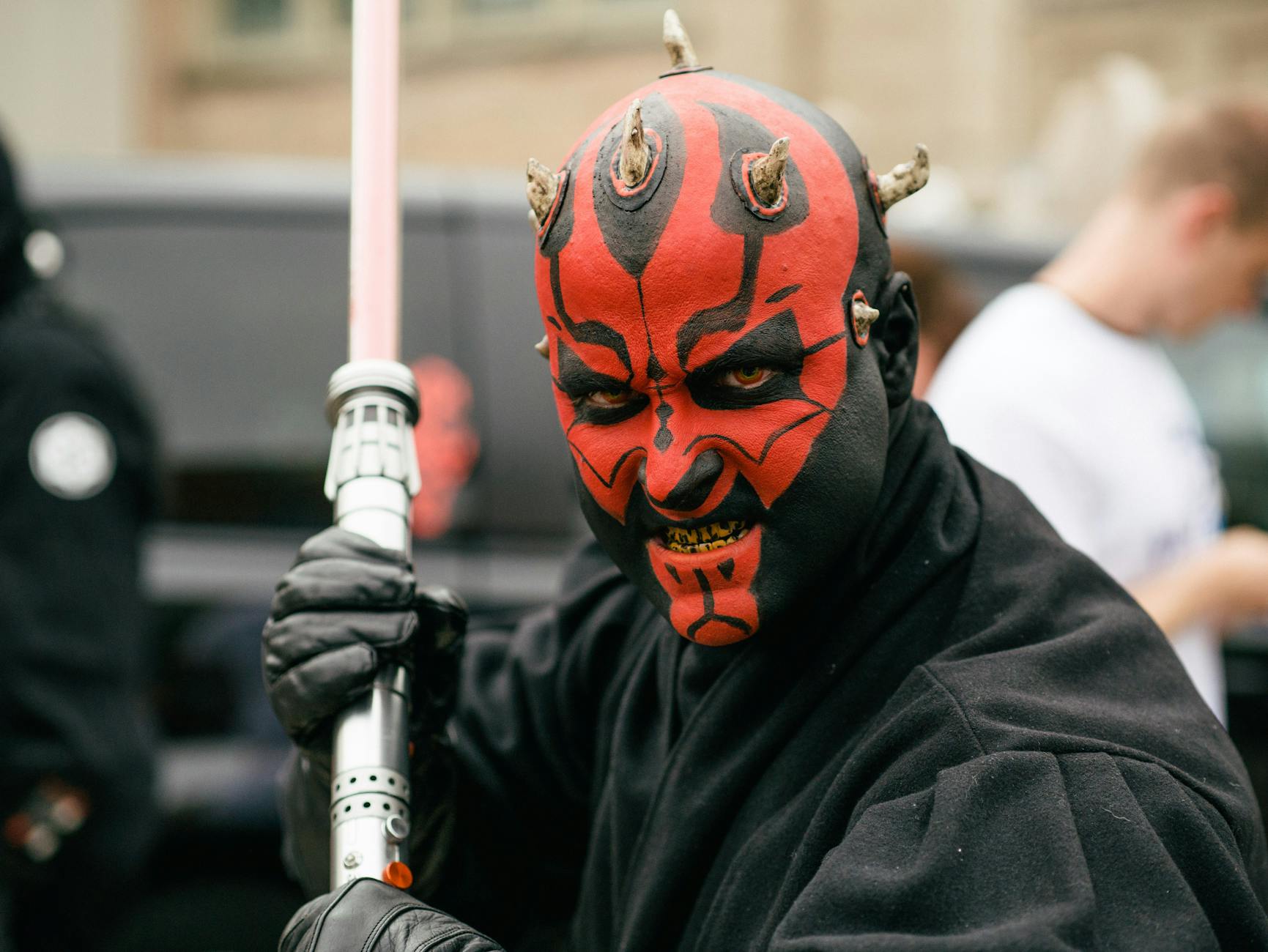
The buzz surrounding Maul – Shadow Lord focuses on a particular aspect of Maul’s lightsaber, hinting at a level of modularity or unique construction previously unseen, or at least underappreciated, in his original double-bladed terror. While specifics are still emerging, the parallels drawn to Rey’s raw, instinctive connection to the Skywalker lightsaber in The Force Awakens are striking. Rey, an untrained scavenger, didn’t just wield a lightsaber; she connected with it, bringing a ferocity and adaptability that challenged traditional Jedi combat forms. Her eventual staff-saber in The Rise of Skywalker further cemented this idea: lightsabers are not just tools, but extensions of their wielder’s unique journey and fighting style. Maul’s new twist seems to retroactively apply this philosophy to one of the saga’s most enduring villains, suggesting his weapon was always a reflection of his fragmented, yet resilient, will.
Beyond the Blade: Lightsabers as Character Narratives
This isn’t the first time Lucasfilm has pushed the boundaries of lightsaber design, but it marks a significant shift in philosophy. From the classic single blade of Luke Skywalker to Darth Vader’s menacing red, and even Mace Windu’s distinctive purple, lightsabers were initially defined primarily by their color and the number of blades. Darth Maul himself revolutionized the concept with his dual-bladed saber in The Phantom Menace, a design choice that immediately underscored his aggressive, unconventional fighting style.
However, the Sequel Trilogy truly began to evolve this concept. Kylo Ren’s unstable, crossguard lightsaber, with its raw, crackling energy, perfectly mirrored his inner turmoil and his struggle with the dark side. It wasn’t just a design choice; it was a character beat. Similarly, Rey’s journey saw her not only master an ancient weapon but eventually craft her own unique staff-saber, emblematic of her origins and her self-forged path as a new kind of Jedi. The Darksaber, a weapon with deep Mandalorian history, and Ahsoka Tano’s graceful white blades further exemplify this trend, showing that lightsabers are increasingly serving as potent narrative devices, imbued with personal history and symbolic meaning.
Industry observers note that this trend extends beyond the screen. The immense popularity of experiences like Savi’s Workshop at Disney’s Galaxy’s Edge, where fans can construct their own unique lightsabers, underscores a powerful desire among the audience to see these weapons as personal, customizable extensions of their own Star Wars journey. This consumer trend likely influences creative decisions, reinforcing the idea that a lightsaber’s design should be as unique as its owner.
Lucasfilm’s Clever Strategy: Weaving the Canon Together
The Sequel Trilogy, while commercially successful, has faced its share of division among the fanbase. Critics and fans alike have debated its narrative cohesion and its place within the broader Star Wars canon. However, these subtle, yet impactful, connections being forged in supplementary material like Maul – Shadow Lord demonstrate Lucasfilm’s clear strategy: to retroactively strengthen the narrative ties and validate the innovations introduced in the newer films.
By applying a similar philosophy of character-driven lightsaber design to legacy characters like Maul, Lucasfilm is not only enriching existing lore but also subtly re-contextualizing the Sequel Trilogy’s contributions. It suggests that what fans perceived as ‘new’ or ‘different’ in Rey’s journey was, in fact, an echo of elements that have always existed within the Force and its wielders. This isn’t just about continuity; it’s about building a more cohesive, interconnected narrative fabric that embraces all eras of Star Wars.
Sources close to Lucasfilm’s publishing division have often spoken about the meticulous planning that goes into connecting various media, ensuring that comics, books, and animated series complement and expand upon the cinematic universe. This Maul lightsaber twist is a prime example of that long-term strategic storytelling at play, bridging perceived gaps and enriching the overall mythology.
What’s Next for the Blade?
As Star Wars continues to expand across multiple platforms, from upcoming films like James Mangold’s rumored Dawn of the Jedi project to Disney+ series like The Acolyte, we can expect this trend of character-specific lightsaber design to continue. Will we see even more unique blade configurations? Perhaps new colors, or sabers that adapt and change with their wielder? The precedent set by Maul and Rey suggests that the iconic weapon is far from static, continuing to evolve as a powerful symbol of individuality within the Force.
Keep your eyes on future Star Wars releases, both on screen and in print, as Lucasfilm continues to deepen the lore of its most famous weapon, proving that even after decades, there’s always a new twist to discover with the elegant weapon for a more civilized age. The lightsaber isn’t just a prop; it’s a character in its own right, reflecting the soul of the saga.