Hollywood’s Dual Triumph: Billions at the Box Office, Blockbusters on Demand
It’s 2026, and the entertainment landscape is proving to be a fascinating study in contrasts. While Pixar’s much-anticipated Toy Story 5 — with Tom Hanks, Tim Allen, and Joan Cusack all reprising their iconic roles — has effortlessly soared past the billion-dollar mark at the global box office, solidifying its place as one of the year’s top earners, another story is quietly but powerfully unfolding on the streaming front. And surprisingly, it also has a strong connection to Hanks’ enduring legacy.
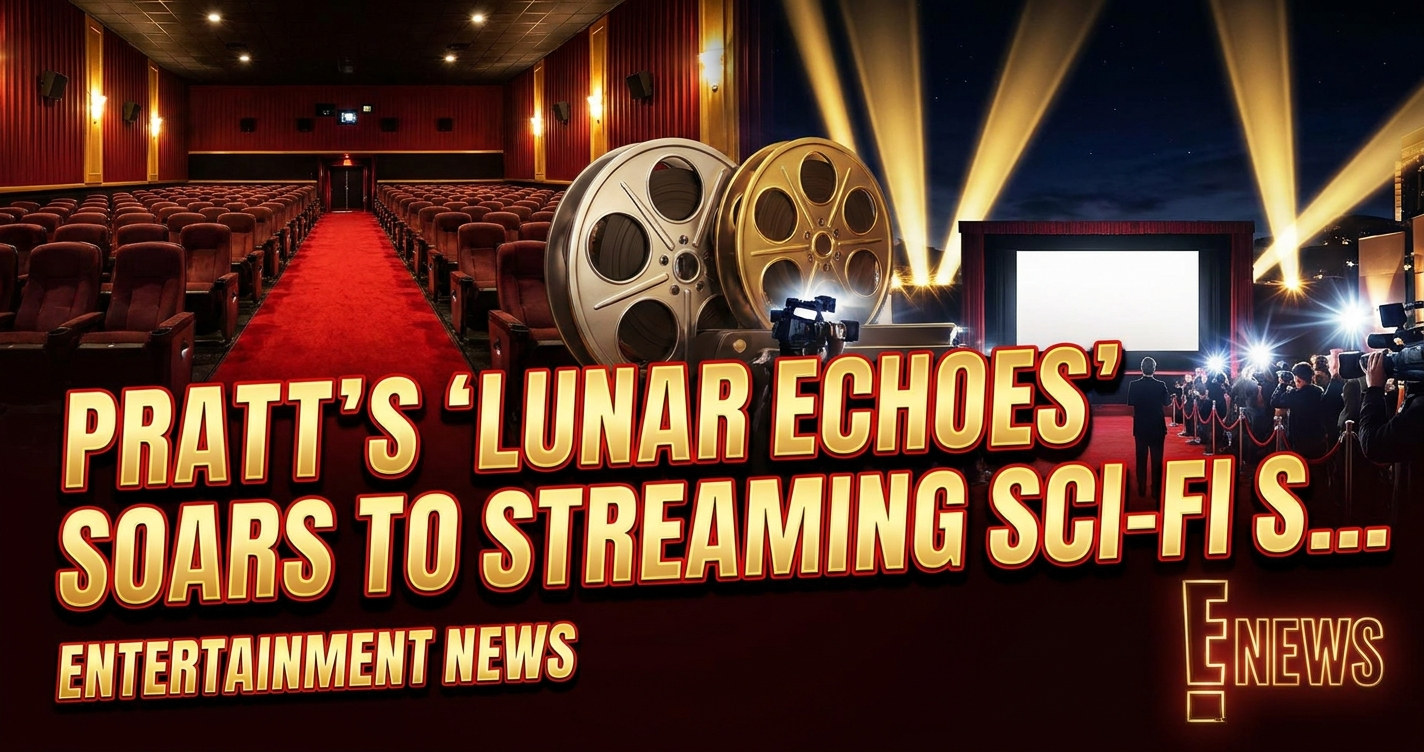
We’re talking about Chris Pratt’s ambitious sci-fi reboot, Lunar Echoes. A modernized, speculative take on one of Tom Hanks’ most beloved and critically acclaimed 90s films, Apollo 13, the movie initially had a quiet theatrical release last year. But now, after hitting the streaming circuits, it has officially exploded into a certified hit, dominating watch lists and sparking fervent online discussions. This isn’t just a win for Pratt; it’s a testament to the power of reimagined IP and the evolving nature of audience consumption, proving that a film doesn’t always need a blockbuster opening weekend to achieve massive success.
The Pratt Factor: From Guardians to Ground Control (Reimagined)
Chris Pratt has carved out an enviable niche in Hollywood as the go-to guy for charismatic, everyman heroes leading fantastical franchises. From Guardians of the Galaxy to Jurassic World, his ability to blend humor with genuine stakes has made him a consistent draw. Taking on a role in a reboot of Apollo 13 — a film practically sacred to a generation of moviegoers — was no small feat. The original, directed by Ron Howard, was a masterclass in historical tension and human ingenuity, earning multiple Academy Award nominations and captivating audiences with its true story of resilience.
Insiders whispered that Pratt was initially hesitant to step into such hallowed territory. However, sources close to the production indicate that Pratt was keen to bring a fresh, yet respectful, energy to the iconic material. Lunar Echoes, rather than being a direct remake, was pitched as a near-future reimagining. It took the core premise of a stranded space mission and infused it with advanced, yet still experimental, technology, alongside new geopolitical pressures that added a layer of sci-fi urgency. Pratt’s performance, portraying a modern-day flight director grappling with impossible odds, has been praised for its blend of earnestness and gravitas, a subtle nod to the original’s tone while making the character distinctly his own.
Hanks’ Shadow & The Art of Reimagining Legacy
Tom Hanks’ filmography from the 1990s reads like a greatest hits album of American cinema. From Forrest Gump to Saving Private Ryan, his ability to embody relatable heroism and profound humanity is unparalleled. Apollo 13 stands tall among these, a testament to his dramatic range. The challenge for Lunar Echoes was always going to be navigating the immense shadow cast by the original.
Industry observers note that the key to Lunar Echoes’ eventual success wasn’t just Pratt’s star power, but the creative team’s deft handling of the source material. Instead of attempting to replicate the original’s historical accuracy, they opted for an emotional and thematic reboot. By focusing on the psychological toll of deep space and the ethical dilemmas of future space exploration, the film managed to tap into the original’s spirit of human perseverance while offering something new. It’s a delicate balance, one that many reboots fail to achieve, often falling prey to either slavish imitation or unrecognizable deviation. Lunar Echoes found its sweet spot, pleasing both fans yearning for nostalgia and new audiences seeking fresh sci-fi thrills.
Streaming’s Second Act: A New Lease on Blockbusters
The journey of Lunar Echoes from a modest theatrical run to a streaming phenomenon perfectly encapsulates Hollywood’s ongoing metamorphosis. An executive at the streaming platform, speaking anonymously, suggested that the film’s initial lukewarm theatrical run was a “misjudgment of audience appetite for premium content at home.” They further elaborated, “Some stories, especially those that demand a certain level of engagement and contemplation, truly flourish when given the space and convenience of a home viewing experience.”
This isn’t an isolated incident. We’ve seen similar patterns with other high-concept films that struggled to find footing in a crowded theatrical market, only to achieve cult status or widespread popularity once they landed on streaming services. The convenience, the ability to rewatch, and the absence of a ticking clock for box office numbers often allow these films to find their intended audience organically. For studios, it’s a powerful lesson: not every big-budget production is destined to be a theatrical behemoth, but every valuable IP has the potential to be a streaming goldmine.
The Billion-Dollar Question: What Does This Mean for Hollywood?
The simultaneous triumphs of Toy Story 5 and Lunar Echoes paint a clear picture of Hollywood’s dual track future. On one hand, the theatrical experience for established, family-friendly franchises like Toy Story remains an undeniable draw, capable of generating massive global revenue. On the other, the streaming ecosystem offers a vital second life (or even first life) for ambitious, genre-bending projects, especially those leveraging well-known IP with a fresh twist. The ‘1.6 Billion’ figure associated with the original Apollo 13‘s cultural footprint and its enduring legacy is now being re-monetized and amplified in the streaming age.
What we’re witnessing is a strategic diversification of content distribution. Studios are no longer putting all their eggs in the theatrical basket. Instead, they’re carefully considering which projects are tailor-made for the big screen spectacle and which are better suited to captivate audiences in their living rooms, often leveraging the same talent and beloved stories. This flexibility allows for broader creative risks and a more nuanced approach to audience engagement.
What to watch for next: Will this trend encourage more studios to take similar calculated risks with legacy IP on streaming? And how will the success of films like Lunar Echoes impact casting decisions, especially for actors like Chris Pratt, who can now boast success across both theatrical and streaming platforms? The answers will shape the next decade of entertainment.