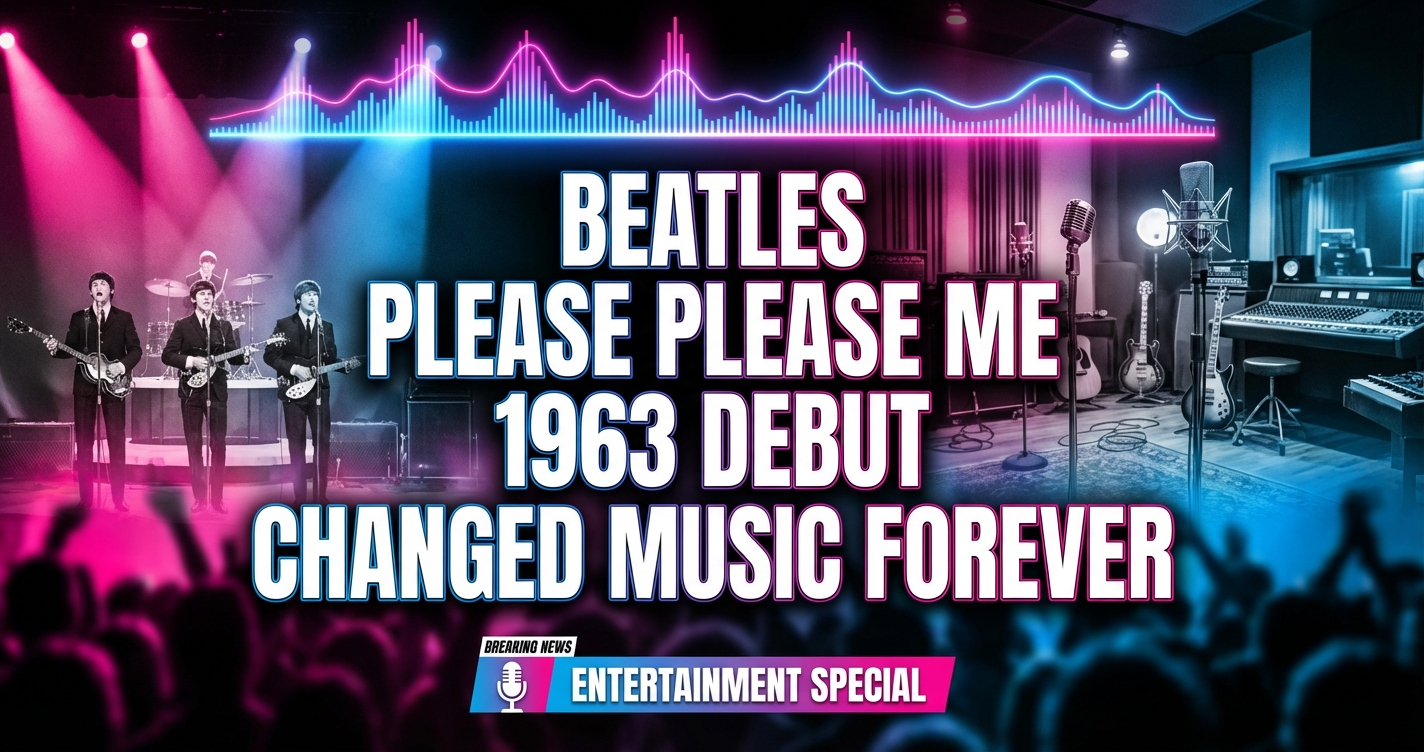
The Day the World Caught Beatlemania: Please Please Me Turns 61
March 22, 1963. It was a Friday in the UK, and for music fans, it was the day everything changed. On this date, a relatively unknown quartet from Liverpool, who had already caused a stir with a couple of singles, unleashed their debut album: Please Please Me. Released on Parlophone, this wasn’t just another record; it was a sonic blueprint for a revolution, a raw, vibrant declaration that would soon launch the British Invasion and redefine popular music forever.
In an era still largely dominated by singles, the album format was often an afterthought for pop acts, a mere collection of recent hits and B-sides. But The Beatles, under the astute guidance of producer George Martin, treated their debut as a statement. While it largely captured their live energy, it showcased a depth and versatility that hinted at the staggering journey to come. Sixty-one years later, its impact remains immeasurable, a testament to the raw talent and audacious spirit of John Lennon, Paul McCartney, George Harrison, and Ringo Starr.
From Cavern Club to Chart Topper: The Fateful Recording Session
The story behind Please Please Me‘s creation is legendary. With two successful singles already under their belts – "Love Me Do" and the title track, "Please Please Me" – Parlophone was keen to capitalize on the buzz. The album was famously recorded in a furious, marathon session on February 11, 1963, at EMI Studios (now Abbey Road) in London. The band, fresh off a relentless touring schedule, essentially performed their live set for the microphones.
As Paul McCartney would later recount, the goal was to capture the energy and excitement of their Cavern Club performances. They weren’t aiming for perfection; they were aiming for immediacy. John Lennon, battling a cold, pushed his voice to its limits on tracks like "Twist and Shout," creating a vocal performance that perfectly encapsulated their unbridled enthusiasm. This rapid-fire approach – reportedly just under 10 hours for the bulk of the album – was a stark contrast to the months-long recording processes that would become standard for later acts, even for The Beatles themselves.
The album delivered on its promise, rocketing to the top of the UK charts and staying there for an astonishing 30 weeks, only to be dethroned by their own follow-up, With The Beatles. This rapid-release strategy, churning out two albums a year alongside a slew of singles, was typical for the time but demonstrated The Beatles’ incredible creative output and relentless work ethic.
Beyond the Hype: The Album’s True Genius
What made Please Please Me so groundbreaking wasn’t just its chart performance, but its content. Of its 14 tracks, eight were Lennon-McCartney originals, a bold move for a debut pop album. This immediately set them apart from contemporaries who largely relied on covers. Songs like "I Saw Her Standing There," with its iconic count-in, and "P.S. I Love You" showcased their knack for irresistible melodies and harmonies, hinting at the sophisticated songwriting that would define their career.
The covers chosen – Motown, R&B, and rock and roll staples like "Anna (Go to Him)," "Chains," and "Twist and Shout" – were not mere imitations. The Beatles infused them with their own distinctive Liverpool sound, a raw, youthful energy that made them their own. It demonstrated their encyclopedic knowledge of popular music and their ability to interpret and elevate existing material. George Martin, often lauded as the "fifth Beatle," played a crucial role, not just in capturing their sound but in nurturing their talent and guiding their early studio experiments, even if the budget and time for this debut were minimal.
A Blueprint for the Future: How Pop Music Changed Forever
Please Please Me wasn’t just a hit; it was a cultural reset. It proved that a band could write their own material, perform with electrifying energy, and captivate an audience not just with singles, but with a cohesive album statement. This paradigm shift was monumental. Suddenly, being a "pop star" meant more than just having a good voice; it meant having a unique vision, a collective identity, and songs that resonated deeply.
The album’s success paved the way for countless other British acts – The Rolling Stones, The Kinks, The Who, and more – to follow suit, igniting the British Invasion that would sweep across the globe. It established the album as a viable artistic vehicle for popular music, laying groundwork for the concept albums and ambitious sonic journeys that would dominate the latter half of the decade. The Beatles’ debut didn’t just launch their career; it launched an entire era of musical innovation and global cultural exchange.
The Enduring Echo: Please Please Me’s Legacy Today
Sixty-one years on, Please Please Me still sounds remarkably fresh and vital. Its infectious energy and timeless melodies continue to inspire new generations of musicians and fans. It’s a snapshot of four young men on the cusp of unimaginable fame, brimming with confidence and creative power. It reminds us of a time when music was raw, immediate, and utterly transformative.
From countless remasters to documentaries chronicling their early years, the fascination with The Beatles’ beginnings remains undimmed. Please Please Me is more than just a debut; it’s the genesis point of the most influential band in history, a foundational text in the canon of popular music that continues to resonate with an undeniable, joyous power.
What to Watch For Next:
The ongoing re-examination of early Beatles material, through new archival releases or historical perspectives, consistently uncovers fresh insights into their creative process and monumental impact. Keep an eye out for how this foundational album continues to be celebrated and reinterpreted by future artists, cementing its place as an eternal spring of musical inspiration.