Peak TV’s Reckoning: The Hard Truths Behind 2026’s TV Shakeup
The latest churn in the television landscape, highlighted by Rotten Tomatoes’ recent roundup of 2026 renewals and cancellations, offers a stark look at the evolving priorities of streaming giants. Gone are the days of seemingly endless renewals for anything with a pulse and a modest fanbase. We’re now firmly in an era of strategic calculus, where every show’s fate is weighed against subscriber acquisition, retention, and the cold, hard reality of the bottom line. This shift has led to some truly surprising decisions, none more so than the unexpected axing of a critical darling, while niche animated projects secure multi-season futures.
The End of an Era (and a Few Shockers)
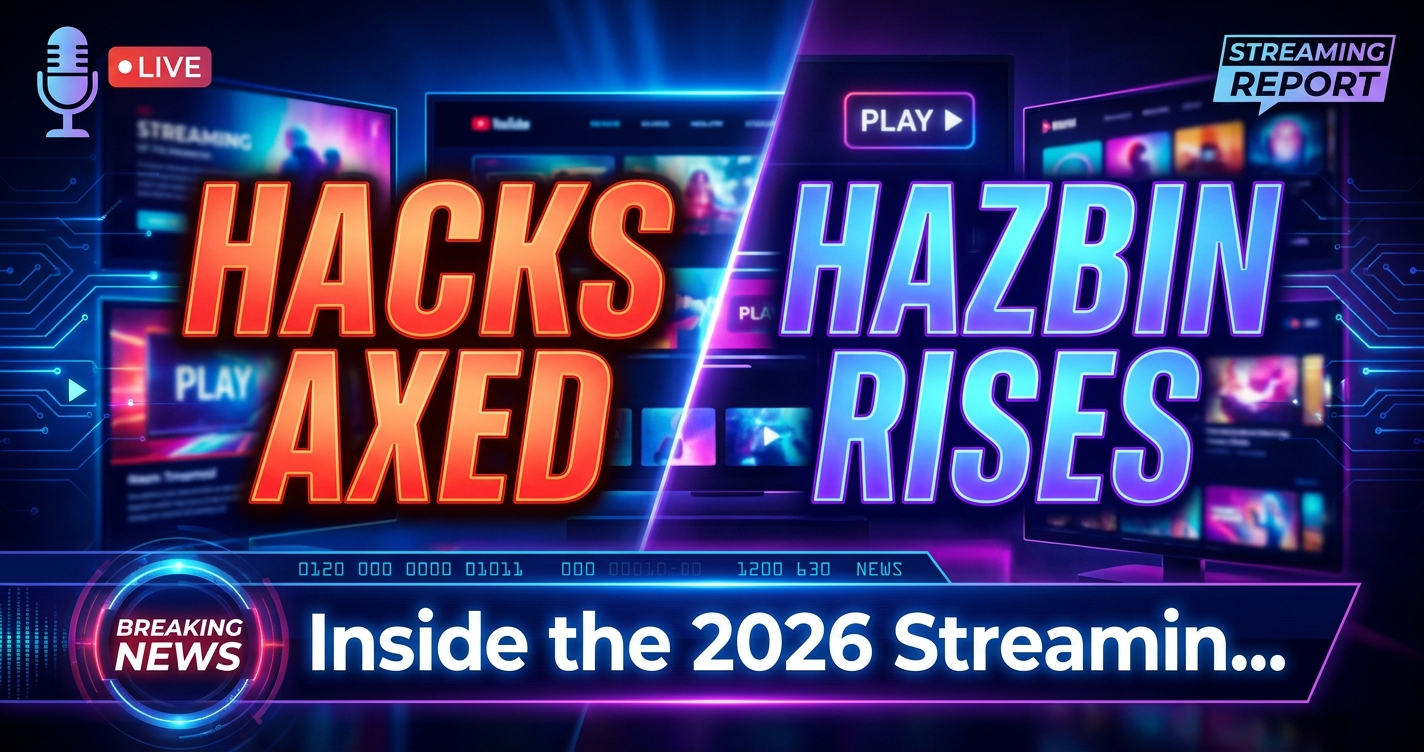
Perhaps the most jarring news from the list is the confirmation that Max’s Emmy-winning comedy, Hacks, will conclude with its fifth season. This isn’t a planned farewell; it’s a cancellation. For a show that has consistently garnered critical acclaim, awards, and a devoted following for its sharp writing and stellar performances from Jean Smart and Hannah Einbinder, this decision feels like a gut punch to fans and a perplexing move for Max. Industry insiders have long speculated about Max’s post-merger strategy, leaning heavily into tentpole franchises like DC and House of the Dragon, potentially at the expense of mid-tier prestige dramas and comedies, no matter how lauded.
One analyst, speaking off the record, suggested that while Hacks brought critical luster, its viewership, while strong, might not have met the platform’s increasingly aggressive metrics for new subscriber growth or long-term retention compared to its production costs. It’s a sobering reminder that even critical darlings aren’t immune to the axe if they don’t fit into a platform’s shifting strategic puzzle.
In contrast, Hulu’s The Handmaid’s Tale is heading into its sixth and final season with a clear, planned ending. This offers a valuable lesson in managing audience expectations and providing creative closure. It’s a far cry from the abrupt endings that once plagued streaming and network television, signifying a more mature approach to long-running narratives.
Animation’s Ascendancy and Niche Powerhouses
While Hacks faces an untimely end, other corners of the streaming world are thriving, particularly in animation and with shows boasting intensely loyal fanbases. Max, despite its cuts elsewhere, is clearly doubling down on its adult animation slate. The multi-season renewal of Hazbin Hotel for its third and fourth seasons is a monumental vote of confidence. Originating as an independent YouTube pilot, Hazbin Hotel quickly cultivated a massive, passionate online following before finding its home on Max. This isn’t just a renewal; it’s an investment in a proven fandom model.
This strategy is further reinforced by the renewal of the critically acclaimed Harley Quinn for a fifth season. Max seems to be consolidating its adult animation offerings, recognizing that these shows, often with lower overall production costs than live-action dramas, can drive incredibly dedicated viewership and subscriber retention. They tap into specific, engaged communities that are less likely to churn.
Netflix, ever the data maestro, continues to invest in properties that resonate globally, like the delightful queer romance Heartstopper, which secured its third season. Heartstopper exemplifies Netflix’s successful strategy of identifying shows with high completion rates, strong social media buzz, and a global appeal that translates directly into subscriber engagement and positive brand association. It demonstrates that passion, even if not always measured in sheer volume, holds significant weight.
Streaming Wars: A Data-Driven Battlefield
These renewal and cancellation decisions underscore the distinct, often opaque, strategies of each streaming platform. Max’s moves suggest a focus on high-impact, broad-appeal content and cost-efficiency, potentially sacrificing critically acclaimed but perhaps less universally consumed shows like Hacks. Prime Video, which quietly canceled Harlem after its third season, operates within the broader Amazon Prime ecosystem, where content serves not just as a standalone offering but as an added perk to a vast membership. Their decisions often reflect a balance between content quality and its ability to drive overall Prime engagement.
Netflix, with its global reach and a direct subscriber model, leans heavily on sophisticated algorithms to determine what to renew. Shows like Heartstopper, while not necessarily topping Nielsen viewership charts, likely demonstrate strong “stickiness”—meaning viewers who start it are highly likely to finish it and engage with related content, which is gold for subscriber retention. The economic realities of the industry, from rising production costs to the ongoing pressure to achieve profitability, mean that every decision is meticulously scrutinized. Executives are no longer just looking at “likes” or critical consensus; they’re dissecting subscriber churn, acquisition costs per show, and the long-term value a series brings to their platform.
What to Watch For Next
Expect this trend of strategic, data-driven decision-making to intensify. We’ll likely see more planned “final season” announcements, allowing creators to craft satisfying conclusions and platforms to market these endings effectively. Investment in genre-specific content (sci-fi, fantasy, and especially animation) with built-in fanbases will continue to be a priority. The days of simply being “good” aren’t enough; shows must now prove their worth in a complex ecosystem where every dollar and every minute of viewer attention is fiercely contested. The industry is recalibrating, and while it might mean saying goodbye to some beloved shows, it also paves the way for new, highly targeted content that truly resonates with specific audiences.