Jury Duty: Company Retreat – Outrageous Genius or a One-Season Wonder?
When Jury Duty debuted last year, it wasn’t just a show; it was a phenomenon. A quirky, big-hearted social experiment disguised as a hidden-camera sitcom, it captivated audiences by centering on Ronald Gladden, the lone unwitting participant in a meticulously staged jury trial. The series became a word-of-mouth sensation, lauded for its innovative premise and, more importantly, its surprising warmth. Now, the creators are back with Jury Duty: Company Retreat on Amazon Prime Video, and the industry is buzzing with the same question: can lightning strike twice, or even brighter?
Early whispers from those who’ve had a peek at the new season suggest it’s not only met expectations but perhaps even surpassed them. The core premise remains: one genuinely unaware individual navigates a world populated by actors, all while an elaborate, often absurd, narrative unfolds around them. This time, however, the stakes, the setting, and the sheer audacity of the setup appear to have been dialed up considerably. It’s a testament to the creative team’s audacious vision that they’ve managed to pivot from the contained environment of a courtroom to the sprawling, potentially chaotic world of a corporate retreat, all without losing the show’s signature blend of cringe comedy and genuine human connection.
The Art of the Empathetic Deception: Blurring Lines in Unscripted TV
In an era saturated with reality TV, where authenticity is often a carefully constructed facade, Jury Duty stands out by embracing its artifice in service of a greater truth. Unlike the mean-spirited pranks of shows past or the heavily produced dramas of competition series, Jury Duty’s deception is, ultimately, an act of empathy. The goal isn’t to humiliate the unsuspecting participant but to showcase their inherent goodness when faced with bizarre circumstances and eccentric characters. This was the magic of Ronald Gladden, and it’s the high bar the new season must clear.
The show’s creators, including executive producers Lee Eisenberg and Gene Stupnitsky (who honed their craft on The Office, another masterclass in cringe-comedy with a heart), understand the delicate balance. They’ve spoken in the past about the extensive ethical discussions that go into crafting these scenarios, ensuring the participant is never truly harmed or ridiculed. Instead, the narrative often allows them to emerge as the hero, the voice of reason, or simply a genuinely kind person in a sea of manufactured madness. This commitment to kindness in unscripted television is a quiet revolution, proving that compelling entertainment doesn’t require cruelty.
From the Jury Box to the Boardroom: A Franchise is Born
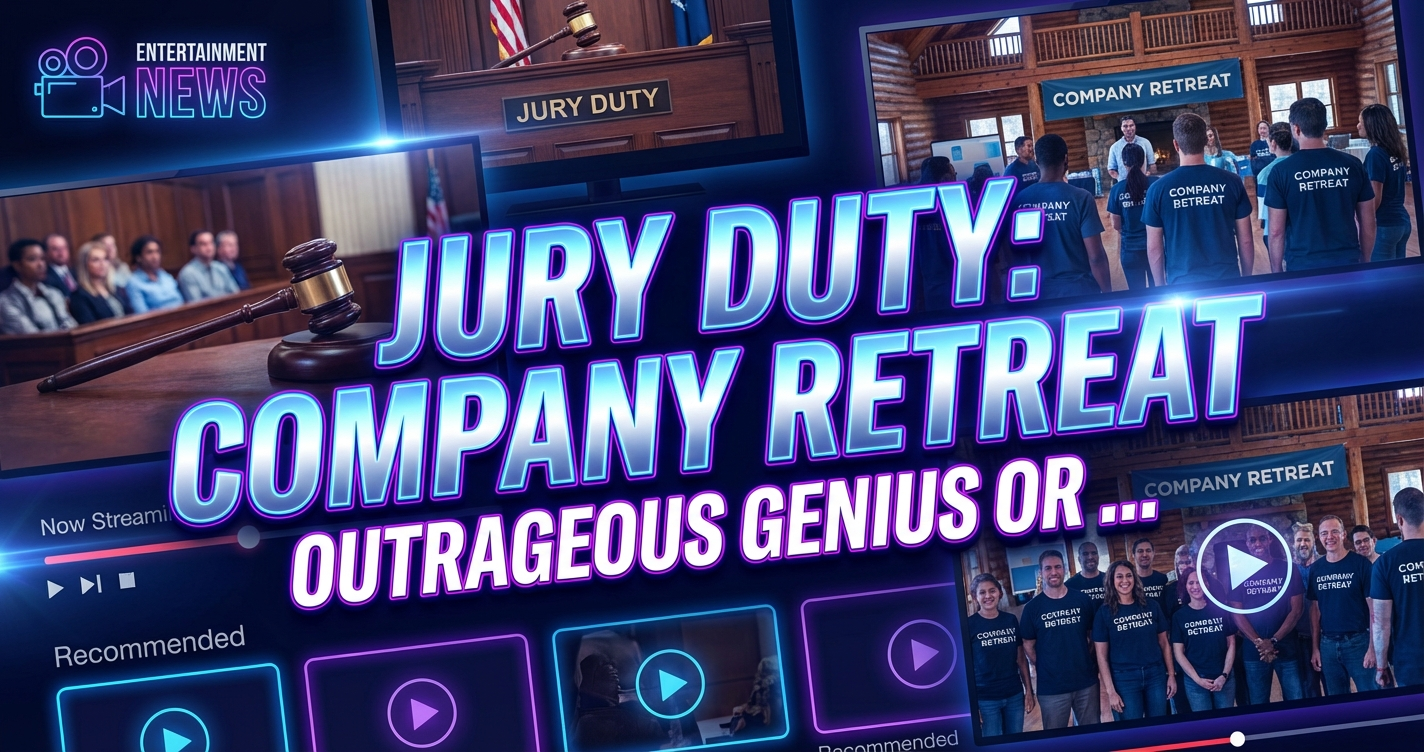
The transition from a jury trial to a company retreat presents a fresh canvas for the show’s unique brand of chaos. Think of the rich comedic potential: forced team-building exercises, awkward corporate jargon, power struggles, and the inherent absurdity of colleagues being forced into close quarters. It’s a setting ripe for the kind of character-driven comedy and escalating ridiculousness that Jury Duty excels at. The challenge, of course, is to find another unsuspecting individual as compelling as Gladden, whose earnest reactions anchored the first season.
Industry insiders have speculated about the difficulty of replicating such a specific lightning-in-a-bottle scenario. The success of season one means the creators are now operating with an awareness that wasn’t there before. However, the sheer breadth of human experience and the boundless potential for bizarre social situations suggest that the format is far from exhausted. By moving to a completely new environment, the show signals its intent to evolve beyond a mere repeat, aiming to establish a true anthology franchise for the unscripted space. This is a bold move, pushing the boundaries of what a ‘season two’ can be.
The Masterminds Behind the Mayhem: A Track Record of Comedy Gold
The creative team behind Jury Duty boasts a formidable pedigree in comedy. Eisenberg and Stupnitsky, alongside fellow executive producers Nick Hatton, Ruben Fleischer, and Cody Heller, have a history of crafting memorable characters and scenarios. Their collective work spans everything from hit sitcoms to blockbuster films, giving them an unparalleled understanding of comedic timing, character development, and narrative construction, even when the narrative is designed to be unpredictable.
The casting of the actors playing the eccentric characters is equally crucial. These performers aren’t just improvising; they’re maintaining complex personas, reacting to the real person’s genuine responses, and subtly guiding the narrative, often for weeks on end. It’s a high-wire act of comedic performance that demands extraordinary skill and commitment. The new season will undoubtedly introduce a fresh ensemble of bizarre yet endearing characters, all designed to push the new participant’s buttons in the most charmingly chaotic ways.
Why “Company Retreat” Might Just Be the Best of the Year
So, is Jury Duty: Company Retreat truly the best show of the year, as early buzz suggests? It’s a bold claim, but not an entirely unreasonable one. In a landscape often dominated by prestige dramas and high-concept sci-fi, Jury Duty offers something profoundly refreshing: genuine laughter, unexpected emotional depth, and a hopeful view of humanity. It’s a show that makes you question what’s real, but ultimately leaves you feeling good about people.
Its success is a testament to the power of original ideas and the enduring appeal of stories that celebrate kindness. If the second season can replicate the delicate balance of humor, heart, and ingenious staging that defined its predecessor, it will solidify Jury Duty’s place as a groundbreaking achievement in television, proving that sometimes, the most outrageous ideas yield the most delightful results.
What to Watch For Next: The industry will be closely watching viewership numbers and critical reception to see if Jury Duty can cement its status as a sustainable, innovative franchise. Its success could open the floodgates for more ’empathetic prank’ shows, challenging traditional notions of unscripted entertainment and proving that good-natured humor can be just as compelling, if not more so, than conflict-driven drama.