NBC’s Bold Move: Doubling Down on Broadcast Stability
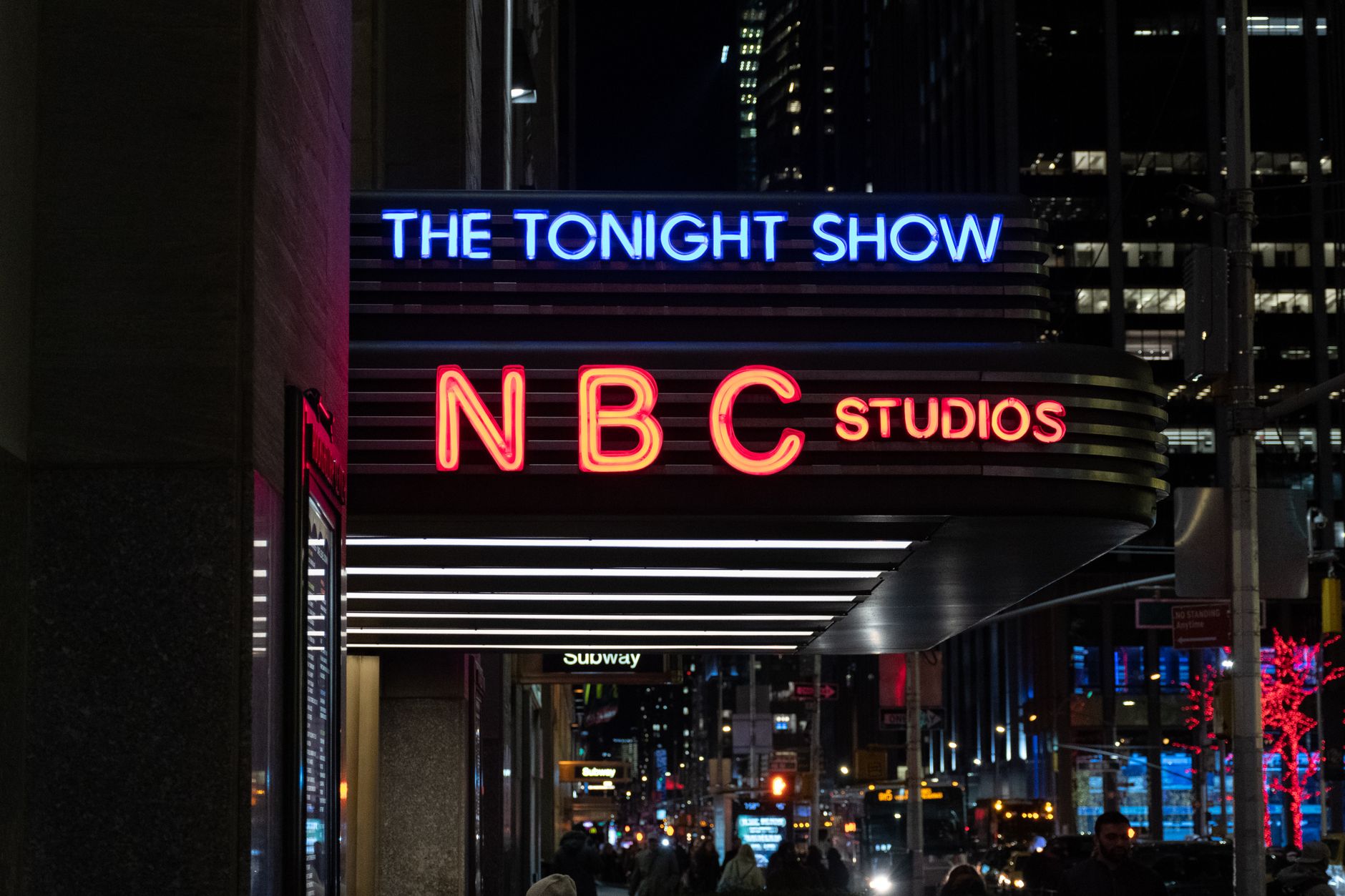
In an era where the television landscape shifts faster than a streamer can greenlight a new limited series, NBC has made an audacious declaration: locking in premiere dates for its tentpole franchises, including the perennial Law & Order and One Chicago universes, along with the steadfast The Voice, all the way into Fall 2026-27. This isn’t just a scheduling announcement; it’s a strategic gauntlet thrown down, a clear signal that broadcast television, far from being a relic, remains a formidable player with a long-term vision.
For DailyDrama.com, this early reveal isn’t just news; it’s a window into the evolving economics and defensive strategies of traditional networks. While streamers chase fleeting cultural moments, NBC is leaning into the enduring power of familiarity, consistency, and the sheer might of established intellectual property. It’s a move that speaks volumes about network confidence in its core programming and its understanding of what still draws millions of viewers weekly to linear TV.
The Unassailable Empire of Dick Wolf
Make no mistake, the cornerstone of this long-term strategy is the unparalleled empire built by executive producer Dick Wolf. His Law & Order and One Chicago franchises aren’t just shows; they are programming pillars. With their reliable procedural formats, rotating casts that keep things fresh without alienating loyalists, and a seemingly endless supply of compelling storylines, these series are goldmines for a network like NBC.
Industry insiders have long marveled at Wolf’s ability to create a brand that transcends individual series. “The Wolf-verse is a masterclass in brand building,” a veteran network executive, speaking anonymously, told DailyDrama.com. “It offers predictable ratings, incredible syndication value, and global appeal. For NBC, these shows are not just hits; they’re foundational assets that deliver nightly audiences and fill valuable prime-time real estate.” The commitment to these shows through 2026-27 underscores their critical role in NBC’s overall health and their ability to anchor programming blocks, providing a stable lead-in for other shows.
Why So Early? A Play for Stability in Shifting Sands
The decision to announce premiere dates nearly three years out is unprecedented in modern television. In an industry notorious for last-minute renewals and abrupt cancellations, this move offers a rare glimpse into a network’s long-game planning. It’s a multi-faceted play for stability on several fronts:
- Talent Retention: Locking in key cast members, showrunners, and crew for multiple seasons is a significant advantage in a competitive market. It provides security and reduces the risk of talent being poached by streamers offering shorter commitments and often larger paydays.
- Advertiser Confidence: For advertisers, knowing what will be on NBC’s schedule years in advance allows for more strategic ad buys and long-term partnerships, crucial in an era where ad dollars are increasingly fragmented across platforms.
- Production Planning: These complex, high-volume productions benefit immensely from long-term planning, allowing for efficient budgeting, script development, and logistical coordination across multiple series.
- Market Signal: It sends a clear message to competitors – both traditional networks and streaming giants – that NBC is not just surviving but thriving by leveraging its strengths and investing deeply in proven performers.
“This isn’t just about scheduling; it’s about cementing the future,” an analyst from a major media consulting firm observed. “NBC is saying, ‘We know what works, and we’re committed to it.’ It’s a powerful statement in a very uncertain business environment.”
The Voice and Beyond: Live, Unscripted, and Reliable
Alongside the scripted dramas, The Voice continues to be a crucial component of NBC’s strategy. As one of the few remaining broadcast shows that still generate significant live viewership, it’s invaluable for advertisers who covet those real-time impressions. Reality competition shows like The Voice offer a different kind of stability: lower production costs compared to high-end dramas, inherent audience engagement through voting and social media buzz, and a consistent appeal that transcends demographic shifts.
The synergy between these reliable unscripted hits and the procedural dramas creates a robust schedule that caters to a broad audience, ensuring NBC remains a go-to destination for consistent, quality entertainment. It’s a testament to the network’s understanding that a diverse, yet predictable, slate is key to maintaining linear viewership.
The Economics of Endurance: Why Franchises Still Rule
In the grand scheme of the streaming wars, the economics of long-running broadcast franchises are increasingly attractive. While streamers pour billions into a constant churn of new, often short-lived content, network shows like Law & Order and One Chicago offer incredible long-term value:
- Built-in Audience: They don’t need to find an audience; they already have one, loyal and dedicated.
- Efficient Production: After initial setup, the per-episode cost can become very efficient, especially with established sets, crews, and writing rooms.
- Syndication & International Sales: These shows are powerhouses in the rerun market, generating revenue for years, even decades, after their initial broadcast. Global distribution rights are also highly lucrative.
- Peacock Integration: For NBCUniversal, these shows are vital for driving subscriptions and engagement on their streaming platform, Peacock, offering next-day viewing and deep libraries of past seasons.
This dual-platform strategy – robust broadcast schedule feeding a growing streaming service – is the future for legacy media companies. NBC’s early renewals are a clear affirmation of this integrated approach.
What This Means for the Future of Broadcast TV
NBC’s bold move to cement its 2026-27 schedule sends a resounding message: broadcast television isn’t just surviving; it’s evolving. It’s becoming the home for reliable, broad-appeal content that serves as a consistent anchor in a sea of ever-changing streaming options. For viewers, it promises continuity and a sense of familiarity. For the industry, it’s a blueprint for leveraging established IP and understanding the enduring value of consistent, high-quality programming.
What to watch for next? Keep an eye on how other major networks respond to this long-term scheduling gambit. Will ABC, CBS, and FOX follow suit with their own multi-year commitments to their biggest franchises? Furthermore, observe how this stability impacts talent negotiations and the continued integration of broadcast content with streaming platforms. The future of television is a hybrid one, and NBC is clearly staking its claim early.