The Hunt’s Rocky Apple TV+ Debut: Plagiarism Cloud & Global Content Stakes
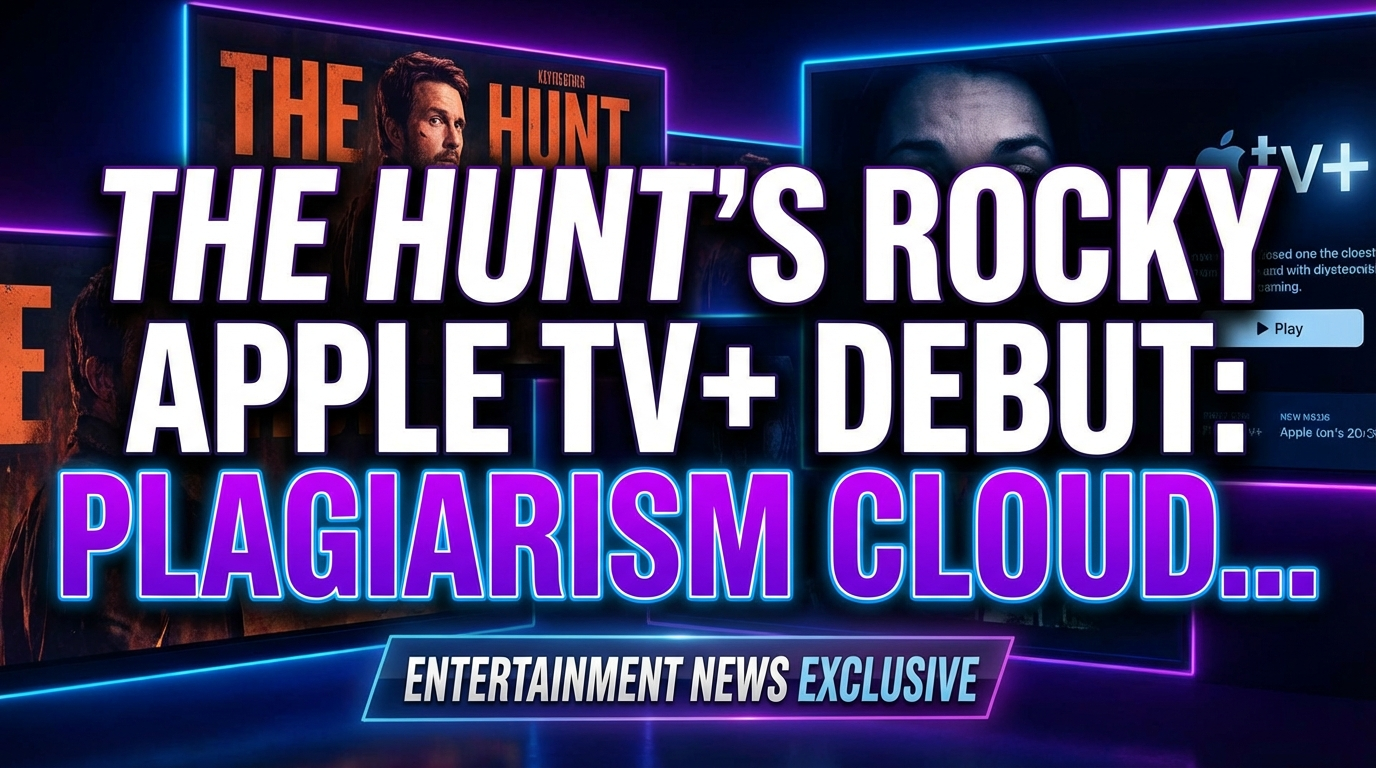
The streaming world rarely sees a quiet premiere these days, but the debut of French thriller series The Hunt on Apple TV+ this week arrived with a particularly loud whisper of controversy. Originally slated for an earlier release, the show was reportedly delayed at the eleventh hour due to serious allegations of plagiarism. While the series is now available for global audiences, the incident serves as a stark reminder of the increasingly complex and high-stakes landscape of intellectual property in the booming international content market.
For a platform like Apple TV+, which has meticulously curated a premium, high-quality image, such a hiccup is more than just a scheduling headache. It cuts to the core of their brand promise: original, compelling storytelling. And in a globalized industry ravenous for fresh narratives, the pressure to deliver can sometimes lead to uncomfortable questions about where inspiration ends and appropriation begins.
The Allegations That Raised Eyebrows
Details surrounding the plagiarism claims against The Hunt remain somewhat opaque, as is often the case with such sensitive legal matters. However, industry sources familiar with the situation indicated that the allegations involved similarities between the series’ narrative or core concepts and existing works. This immediately triggered a pause, with Apple TV+ reportedly pulling the show from its initial release schedule to conduct a thorough internal review.
“When you’re dealing with a global platform and a multi-million dollar production, any whiff of intellectual property infringement is a five-alarm fire,” explained one veteran entertainment lawyer, speaking off the record. “The cost of litigation, the potential for reputational damage, and the risk of having to pull a show entirely are just too high to ignore. Platforms like Apple have deep pockets, but they also have zero tolerance for anything that could compromise their creative integrity or expose them to liability.”
The fact that the series ultimately premiered suggests either a resolution was reached, the claims were found to be unsubstantiated, or a settlement was made. Regardless, the incident underscores the intense scrutiny content creators face, especially when their work is destined for a major international streamer.
Apple TV+’s Global Ambitions: A Double-Edged Sword?
The Hunt isn’t just another thriller; it’s part of Apple TV+’s strategic push into non-English language content. Following the critical success of South Korean drama Pachinko, the Israeli espionage thriller Tehran, and the French-British co-production Liaison, Apple has clearly signaled its intent to be a major player in the global streaming wars. These international series not only broaden their subscriber base but also enhance the platform’s prestige, often garnering awards attention that eludes many domestic productions.
Investing in foreign productions brings immense rewards, but it also introduces new complexities. Different legal frameworks, cultural nuances, and a wider pool of creators mean that due diligence on intellectual property becomes an even more intricate dance. “The world is getting smaller in terms of content consumption, but the legal landscape for IP is still fragmented,” noted an analyst specializing in global media. “What flies in one territory might be a major issue in another. Platforms have to be incredibly vigilant.”
The High Stakes of Originality in the Streaming Era
In a content-saturated market, originality is the ultimate currency. Every streamer is desperate for the next breakout hit, a unique story that can cut through the noise. This pressure has inevitably led to a surge in pitches, treatments, and scripts, some of which may tread dangerously close to previously existing concepts, whether intentionally or not.
The industry is littered with examples of shows and films facing plagiarism claims, from blockbuster movies to hit TV series. While many are dismissed, some result in costly payouts or even the shelving of projects. The internet, with its vast archives and instant communication, also makes it easier than ever for potential infringements to be identified and publicized. This puts an enormous burden on showrunners, writers, and producers to not only create compelling stories but also to ensure their ideas are genuinely their own.
For emerging talent, especially those breaking into the global arena, understanding and respecting intellectual property rights is paramount. A promising career can be derailed before it even truly begins by such allegations, regardless of their ultimate merit.
What to Watch For Next
The dust may have settled enough for The Hunt to launch, but the incident will undoubtedly resonate. Expect platforms like Apple TV+ to double down on their vetting processes, perhaps implementing even stricter guidelines for script clearance and concept development, especially for international co-productions. For creators, it’s a powerful reminder that originality isn’t just a creative ideal; it’s a legal necessity.
As the global streaming market continues its relentless expansion, the industry will be watching closely to see how platforms navigate these increasingly common and delicate intellectual property challenges. The appetite for diverse, international stories is undeniable, but so is the need to protect the integrity of original creative work.