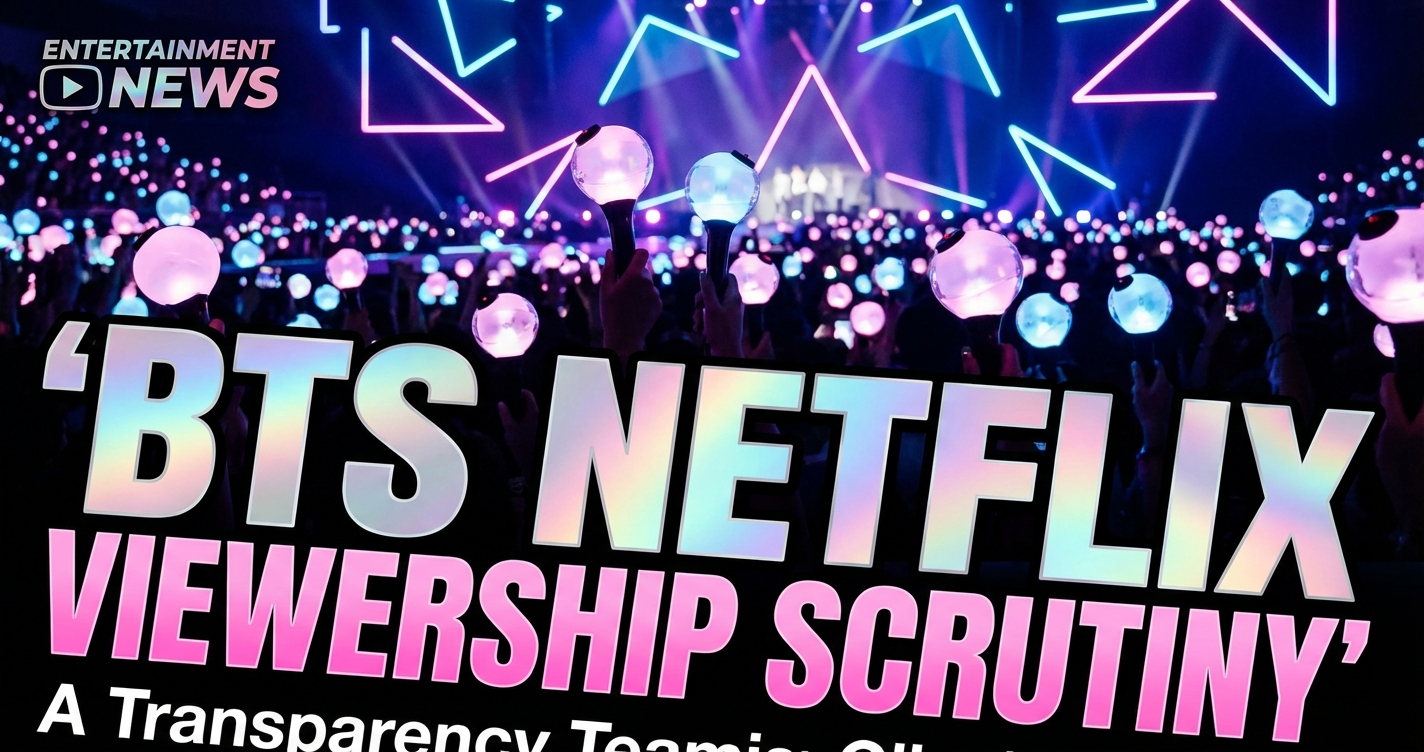
BTS Netflix Viewership Scrutiny: A Transparency Test for Streaming’s K-Pop King
The global entertainment landscape rarely sees a phenomenon quite like BTS. Their every move, every release, every collaboration isn’t just news; it’s a seismic event. So, when Netflix, a titan of the streaming world, partnered with the K-Pop juggernauts for their highly anticipated comeback live broadcast, expectations were stratospheric. Yet, a recent reveal of viewership figures has sparked a different kind of buzz – one tinged with confusion and skepticism, raising uncomfortable questions about data transparency in the streaming age.
Initial reports from various outlets, following Netflix’s own promotional efforts, painted a picture of staggering success, with numbers widely disseminated across fan communities and industry publications. However, a subsequent, more ‘official’ reveal from the streamer itself presented a notably different, lower figure. This discrepancy, seemingly minor to an outsider, has sent ripples through the dedicated ARMY fanbase and industry analysts alike, forcing a closer look at how streaming platforms communicate success, especially when a brand as monumental as BTS is involved.
The Unveiling and the Uproar: Why Numbers Matter
In the digital era, data is currency. For artists, labels like HYBE, and platforms like Netflix, viewership numbers aren’t just bragging rights; they’re crucial metrics influencing future investments, advertising deals, and perceived market value. When Netflix initially touted numbers for the BTS comeback live, the excitement was palpable. It reinforced the narrative of BTS’s undiminished global power and Netflix’s prowess in delivering high-demand content.
However, the later, revised figures have introduced a crack in that narrative. While the exact reasons for the disparity remain somewhat opaque – perhaps different metrics were used, or initial reports were speculative – the impact is clear. It erodes trust. Fans, known for their meticulous record-keeping and fervent support, were quick to point out the inconsistencies, demanding clarity. Industry insiders, speaking off the record, suggested that such discrepancies, while not unheard of in the fast-paced world of digital reporting, can be particularly damaging when attached to a brand with the global scrutiny BTS commands. It’s not just about the numbers; it’s about the perceived integrity of the information.
The Streaming Data Dilemma: A History of Secrecy
Netflix has long been infamous for its guarded approach to viewership data. Unlike traditional television, where Nielsen ratings provided a standardized, if imperfect, benchmark, streaming platforms have largely operated within their own proprietary ecosystems, releasing selective data points when it suits their promotional agenda. While this strategy has afforded them flexibility, it has also led to a persistent industry-wide demand for greater transparency.
We’ve seen similar debates with other major streaming events and original content. Remember the buzz around Squid Game or Stranger Things? Netflix would often release ‘hours viewed’ or ‘households reached’ data, but rarely the raw, unadjusted numbers that allow for direct, apples-to-apples comparisons. This isn’t unique to Netflix; competitors like Amazon Prime Video and Disney+ also maintain a degree of secrecy. However, the sheer scale of a BTS collaboration intensifies the spotlight on these practices. For a group whose every single, album, and concert film routinely shatters global records, any perceived ambiguity around their performance metrics is bound to spark intense discussion.
BTS: Beyond the Numbers, a Global Economic Engine
BTS isn’t just a band; they’re a cultural phenomenon and a significant economic force. Their influence extends far beyond music, impacting tourism, fashion, and even international relations. Their partnership with Netflix was a natural evolution, building on their previous successful forays into cinematic releases like Burn the Stage: The Movie and Bring the Soul: The Movie, which saw massive theatrical runs globally. Their documentary, BTS: Permission to Dance on Stage – LA, also found a home on Disney+, further cementing their presence across major platforms.
This immense brand power means that any reporting, particularly from a partner like Netflix, comes with immense weight. A perceived misstep in data reporting isn’t just a minor PR hiccup; it can fuel speculation, create confusion among investors, and, most importantly, potentially undermine the very trust that underpins the colossal BTS-ARMY relationship. As one entertainment analyst put it, "When you’re dealing with a global powerhouse like BTS, every number, every detail, needs to be beyond reproach. Their fans are too dedicated, and the stakes are too high, for anything less than absolute clarity."
What to Watch For Next
This incident serves as a crucial reminder of the ongoing tension between streaming platforms’ desire for control over their data and the industry’s, and audience’s, increasing demand for transparency. Will this push Netflix, or other streamers, towards more standardized and verifiable reporting methods, especially for high-profile, global events? Or will it remain a persistent blind spot in the digital entertainment landscape?
For BTS and HYBE, the focus will undoubtedly shift back to their upcoming projects and solo endeavors, continuing to break new ground regardless of streaming data controversies. However, the conversation around streaming transparency, particularly concerning K-Pop’s global reach, has only just begun. The entertainment world will be watching closely to see if this incident prompts a more open dialogue about the metrics that truly define success in the digital age.