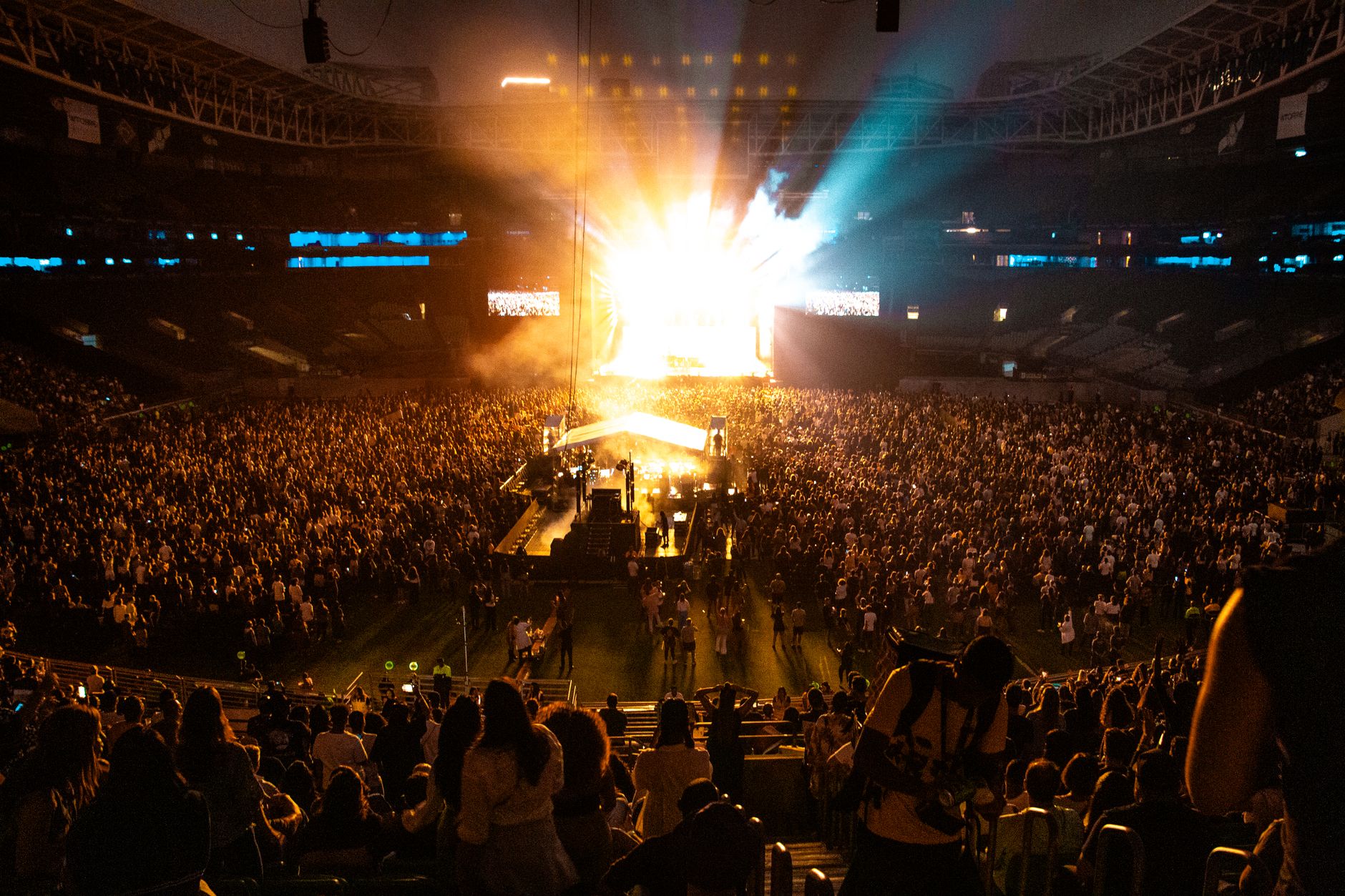
In a seismic shift that reverberated through the global music industry this past month, K-Pop titans BTS didn’t just top the charts – they rewrote the record books. Their ongoing Arirang World Tour pulled in a colossal $125 million in May alone, not only making them the undisputed kings of the monthly Top Tours chart but, more significantly, eclipsing a seven-year boxscore record previously held by rock legends The Rolling Stones. This isn’t merely a headline; it’s a definitive declaration of K-Pop’s unparalleled global power and BTS’s enduring, magnetic appeal.
For decades, The Rolling Stones were the gold standard of touring longevity and financial might, their legacy seemingly unassailable. Yet, in just a single month, a group of seven young men from South Korea has demonstrated a touring prowess that signals a fundamental change in the industry landscape. DailyDrama.com has been tracking BTS’s meteoric rise for years, and while their stadium-filling capabilities are well-documented, this latest achievement elevates them to an entirely new echelon, cementing their status not just as K-Pop icons, but as one of the most significant touring acts in music history.
The Unprecedented Numbers: A Global Phenomenon
The $125 million figure is staggering, a testament to BTS’s ability to sell out multiple stadium dates across various continents within a compressed timeframe. Industry insiders suggest that the meticulous planning and logistical genius behind the Arirang World Tour have been critical. “This isn’t just about selling tickets; it’s about optimizing every single facet of a global operation,” a source close to the tour’s production team shared, speaking on background. “From merchandise sales to premium VIP experiences, every element is designed to maximize fan engagement and revenue.”
What makes this record particularly compelling is the context. The Rolling Stones’ previous record was set at a different time, under different industry conditions. BTS’s achievement comes in an era where live music has faced unprecedented challenges and, conversely, has seen an explosion in demand post-pandemic. Their ability to command such figures speaks volumes about the insatiable appetite of their global fanbase, known affectionately as ARMY.
The ARMY Effect: Fueling K-Pop’s Global Expansion
You simply cannot discuss BTS’s success without spotlighting the sheer, unyielding power of ARMY. This isn’t just a fanbase; it’s a meticulously organized, digitally savvy, and incredibly passionate global community. They mobilize for everything from streaming campaigns to charity drives, and crucially, they turn out in droves for concerts.
Music analysts have long pointed out that K-Pop’s success is built on a foundation of deep fan engagement, often cultivated through extensive online content, intimate fan interactions (even virtually), and a sense of shared identity. BTS, in particular, has mastered this, creating a bond with their audience that transcends language barriers and geographical divides. The Arirang World Tour, aptly named after a traditional Korean folk song often considered an unofficial anthem, carries a deep cultural resonance, further cementing this connection and showcasing Korean culture on a global stage.
This record isn’t just a victory for BTS; it’s a monumental moment for K-Pop as a genre. While groups like BLACKPINK, Stray Kids, and SEVENTEEN have also seen immense touring success, BTS continues to push the boundaries, paving the way for further global expansion. Their achievement sends a clear message to promoters and labels worldwide: K-Pop is not a niche market; it is a dominant force.
Beyond the Stage: An Industry Reimagined
The implications of BTS’s record-breaking tour extend far beyond the concert venues. This success underscores several critical trends shaping the modern music industry:
- The Experience Economy: In an age of digital consumption, live experiences hold unparalleled value. Fans are willing to pay premium prices for the unique, communal energy of a stadium show.
- Globalized Fandom: The internet has dismantled traditional market barriers. Artists like BTS can cultivate massive, dedicated fanbases in every corner of the world, making global tours not just feasible, but incredibly lucrative.
- Strategic Merchandising & VIP Packages: High-grossing tours are no longer just about ticket sales. Integrated merchandise sales, tiered VIP packages, and unique fan engagement opportunities significantly boost revenue.
For DailyDrama.com, this is a story we’ve been watching unfold with keen interest. The shift from Western acts dominating the global touring landscape to the undeniable rise of K-Pop is not just a trend; it’s a new reality. The sheer scale and efficiency of BTS’s operation, especially coming off a period where individual members have also seen immense solo success (like Jimin’s chart-topping ‘FACE’ album or SUGA’s Agust D tour), highlight their collective and individual power.
What’s Next for BTS? The Future of Global Touring
With such a monumental achievement under their belt, the question naturally turns to what’s next. Will BTS continue to push the boundaries of touring? Will other K-Pop acts follow suit, aiming for similar financial benchmarks? The precedent has been set, and the bar has been raised significantly. For now, BTS continues to solidify their legacy, not just as musical innovators but as economic powerhouses.
Their Arirang World Tour is far from over, and with each sold-out stadium, they are further cementing K-Pop’s indelible mark on the global entertainment map. The Rolling Stones may have held the record for seven years, but BTS has ushered in a new era, one where global connectivity and fan devotion are the ultimate currency.
What to Watch For Next: Keep an eye on how the Arirang World Tour‘s final totals stack up against all-time touring records, and which other K-Pop acts might be next to challenge established Western artists on the global stage. The touring landscape has changed forever.